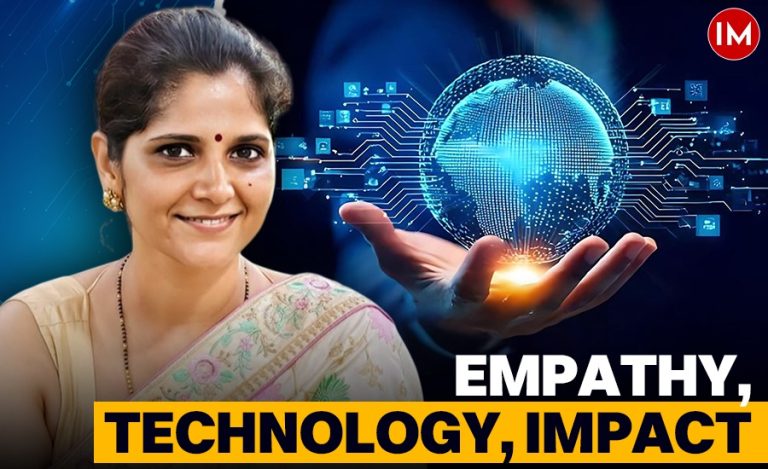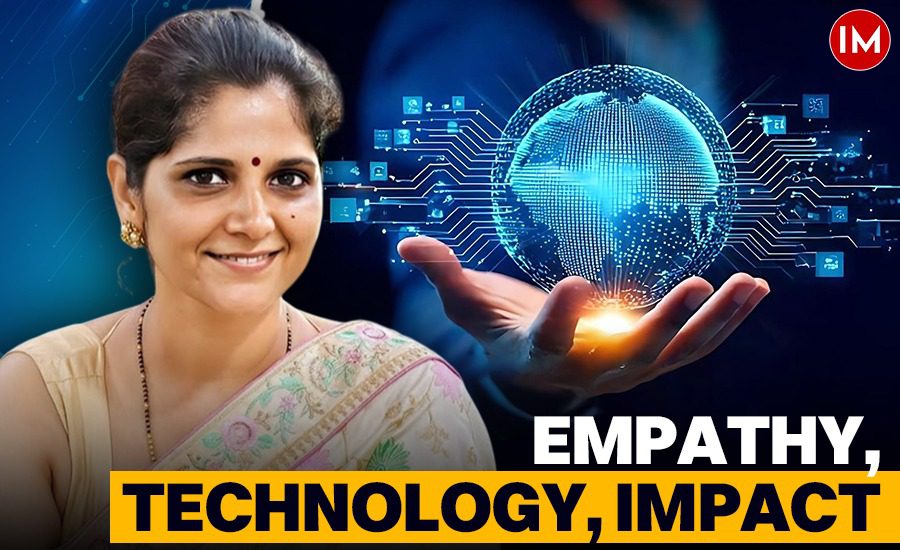
On most days, governance looks routine—files moving, meetings happening, decisions being taken. But sometimes, behind that routine lies a deeper story of change. A story of understanding people, adapting to new cultures, and quietly transforming systems.
For Anu Kumari (2018 batch, Kerala cadre), currently serving as the District Collector of Thiruvananthapuram, a position she assumed in July 2024, governance has been exactly that—a journey of learning, unlearning, and creating impact across very different worlds.
Coming from Haryana and serving in Kerala, she has experienced governance through two contrasting lenses. And that contrast, she says, has shaped her approach in meaningful ways.
UNDERSTANDING TWO DIFFERENT INDIAS
Haryana and Kerala may belong to the same country, but administratively and socially, they present very different realities.
In Kerala, high literacy levels mean citizens are aware, informed, and largely law-abiding. Systems are structured, processes are streamlined, and governance often runs like a well-oiled machine.
“In Kerala, governance is more systematic and structured, and people are very aware of laws and regulations,” she explains during a conversation with Indian Masterminds.
But this efficiency also comes with its own challenge—limited scope for intervention in basic sectors like health and education, which are already well developed.
In contrast, states like Haryana offer more opportunities for direct grassroots impact. Issues like education, health, pollution, and waste management require deeper administrative engagement.
For Anu Kumari, this dual exposure has been invaluable. It has helped her understand that governance is not one-size-fits-all—it must adapt to local realities.
DRIVING CHANGE THROUGH TARGETED INITIATIVES
As District Collector, she has focused on areas that directly impact people’s lives—education, mental health, and environmental sustainability.
One of her key initiatives is “Project X”, a comprehensive sexuality education campaign in schools. The programme aims to equip students with age-appropriate knowledge, legal awareness, and access to psychological support.
So far, around 15,000 students have been covered, with over 1,000 teachers trained to expand its reach.
Another impactful initiative is the District Collector’s Super 100 programme, which supports 100 girls from disadvantaged backgrounds by providing STEM education and psychosocial counselling.
Her work in environmental sustainability is equally notable. Through campaigns like Green Champs and Ink Shift, over one lakh students have taken pledges to adopt eco-friendly practices, including reducing single-use plastics.
These initiatives reflect a simple but powerful idea—real change begins early, with children and communities.
TECHNOLOGY AS A FORCE MULTIPLIER
Before becoming District Collector, Anu Kumari served as Director of the Kerala State IT Mission, where she played a key role in rolling out e-Office systems across departments.
This digital shift improved efficiency, reduced delays, and brought greater transparency in governance.
“Technology can significantly strengthen governance by enabling proactive and efficient service delivery,” she says.
Kerala’s recognition as a fully digitally literate state during her tenure is a milestone she takes pride in.
Looking ahead, she believes the future lies in integrating Artificial Intelligence into governance and creating unified digital platforms so that citizens can access services seamlessly without navigating multiple systems.
RECOGNITION AND RESPONSIBILITY
Her efforts have not gone unnoticed. She has received recognition for her work in district election management and for leading impactful administrative initiatives.
Under her leadership, the Thiruvananthapuram Collectorate also won the Best District Collector Office Award, a reflection of both administrative efficiency and people-centric governance.
But for Anu Kumari, awards are not the destination—they are a reminder to keep improving.
A GOVERNANCE MODEL ROOTED IN EMPATHY
At its core, her approach to governance is simple—understand people, adapt systems, and deliver with empathy.
Whether it is addressing mental health through Project Unfiltered or encouraging sustainable habits among children, her focus remains on long-term impact.
In a country as diverse as India, her journey highlights an important lesson—good governance is not just about policies. It is about people, context, and the willingness to evolve.