Across rural India, many women find themselves bound to household chores, raising children, and managing family responsibilities. Their days are consumed by cooking, cleaning, and caregiving, with little time for self-improvement. This cycle often leaves them feeling stuck, gradually eroding their confidence. For a large number of these women, illiteracy compounds their sense of powerlessness. They are unable to sign their names, read a bus schedule, or help their children with homework, let alone navigate the challenges of everyday life independently. However, the Mahila Saksharta Abhiyan changed that.
This initiative is giving illiterate women the opportunity to not only read and write but also reclaim their sense of self-worth and autonomy. By focusing on rural women who have had little or no access to formal education, this initiative is more than just a literacy project—it’s a movement that is empowering women to step out of their homes and into their communities as confident, contributing individuals.
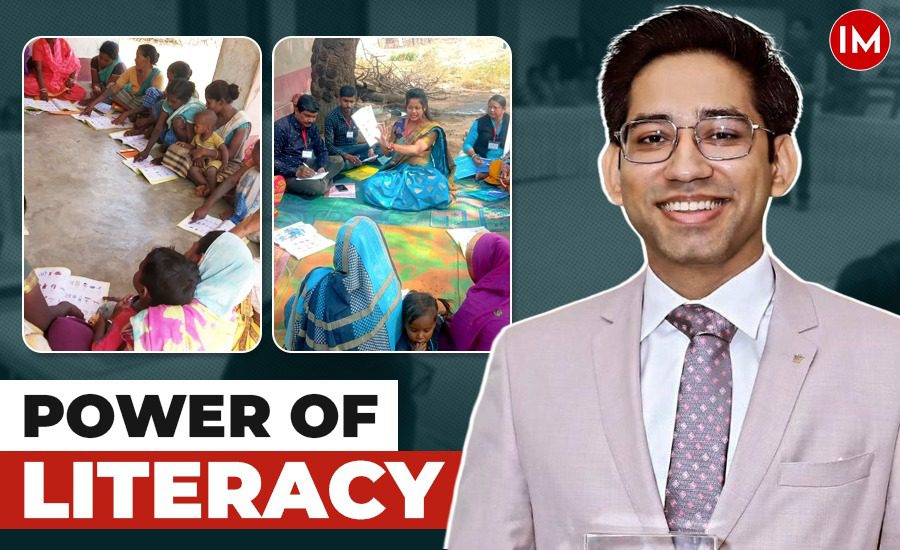
Speaking with Indian Masterminds, IFS officer Satwik Vyas (2018-batch), who was posted as ACF, Dumka, shared in detail. He is currently posted as DFO, Dumka. The initiative was running under the leadership Ravi Shankar Shukla, IAS, the then Deputy Commissioner of Dumka.

The Roots of the Initiative
The Mahila Saksharta Abhiyan program was inspired by earlier efforts to improve literacy among rural women, but it took a more hands-on and targeted approach. In many previous initiatives, literacy programs were launched with good intentions, but they often faltered. One of the main issues was that those who were already literate came forward just for the financial incentives and not for teaching, and those who genuinely needed help were left behind.
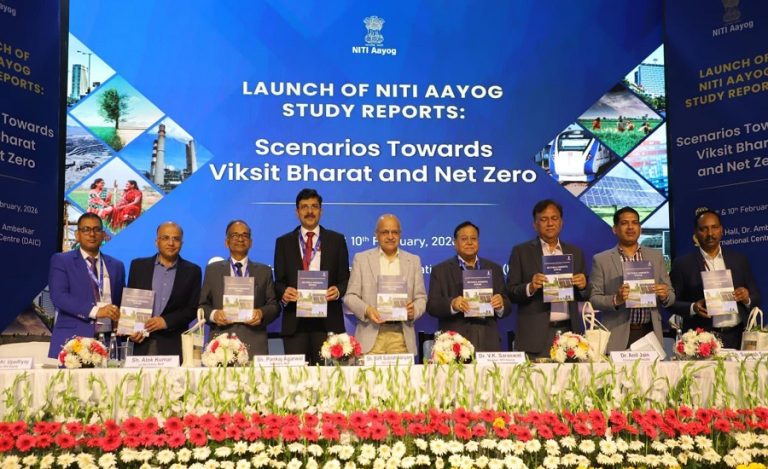
Mr. Vyas explained: “We realized that just implementing the NITI Aayog program wasn’t enough. We had to personally go to the blocks, meet the women, and assess their literacy levels with on-the-spot tests.”
This hands-on approach laid the foundation for the success of Mahila Saksharta Abhiyan. By personally visiting the communities and assessing the women’s skills, the program ensured that the focus remained on those who could benefit the most.
Training the Teachers from Within
One of the unique aspects of Mahila Saksharta Abhiyan is that it seeks to empower the community from within. Instead of bringing in outside teachers, the program identified literate women from the same villages who could be trained to teach their peers. However, this process wasn’t without its challenges.
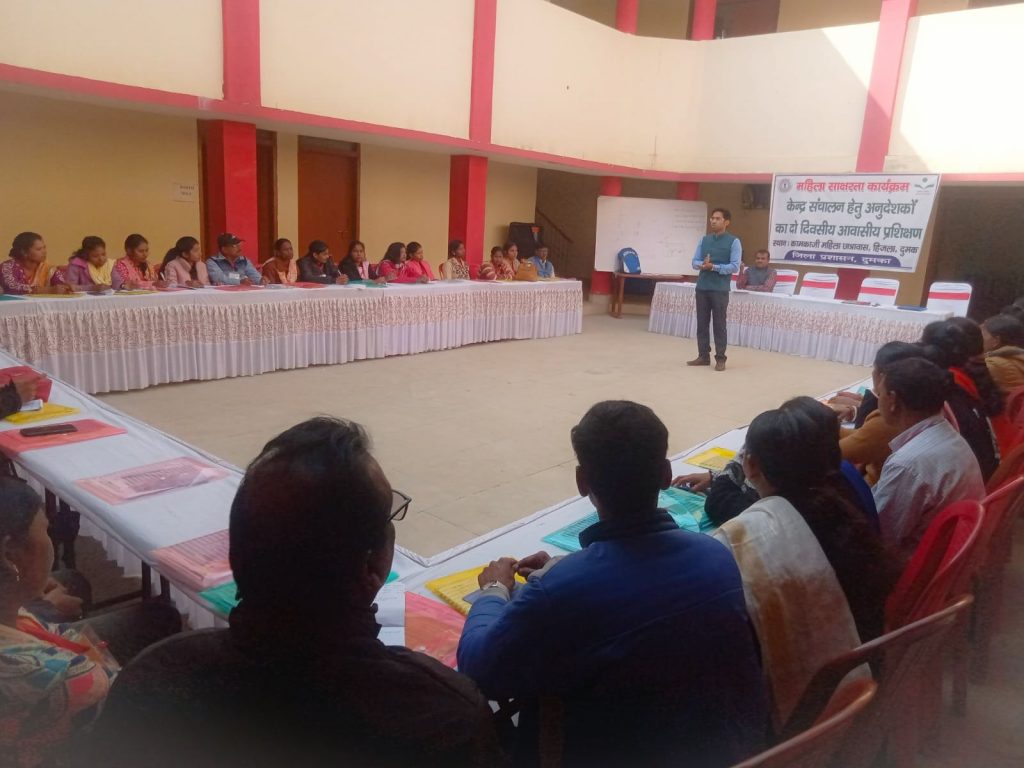
“We faced a lot of difficulties in finding teachers,” shares the officer. “Many of the women who volunteered couldn’t even read or write themselves. But we persisted. We tested them, and those who were capable went through an intensive training process to prepare them for their new role.”
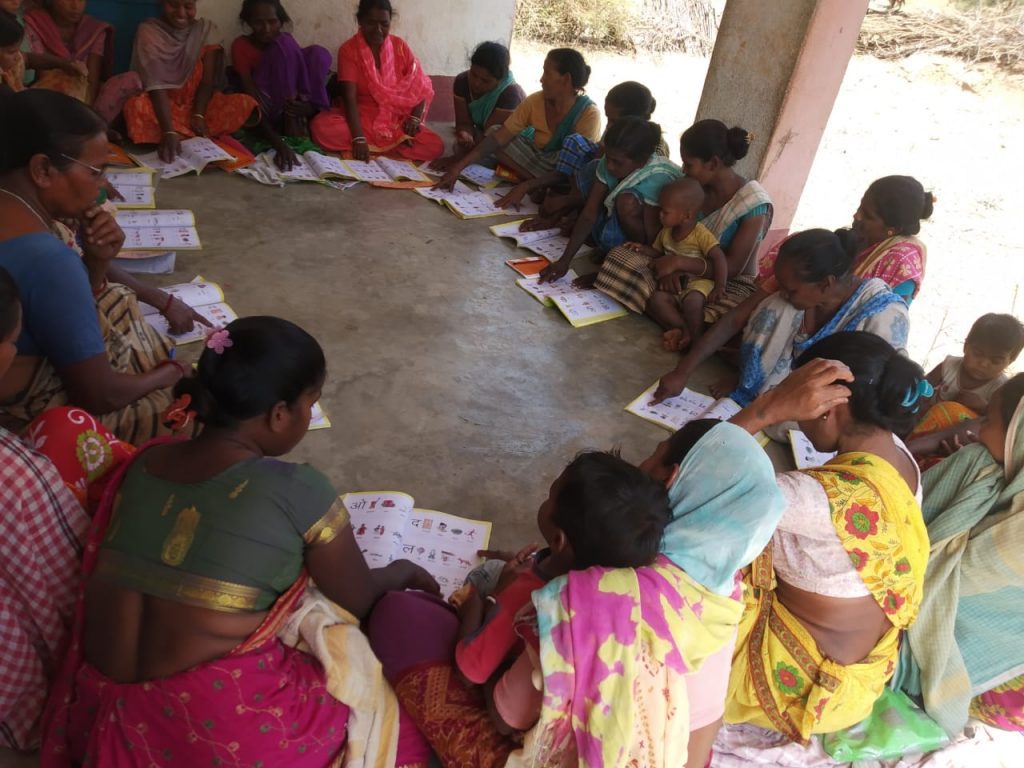
These training sessions were a turning point for many of the women, some of whom had never stepped outside their villages, let alone traveled for a residential training program. The experience of staying in a different place, meeting new people, and learning teaching skills gave them the confidence they had never known.
One of the participants, Sunita, says, “I had never left my children or my husband before. I was nervous at first, but once I arrived and started learning, I felt stronger. I learned how to teach, and I realized I could do more than just take care of my family. I could help other women too.”
Literacy: A Path to Independence
The impact of the program extends far beyond the ability to read and write. Women who complete the program not only gain literacy skills but also develop a sense of independence and self-reliance. This newfound confidence helps them navigate daily challenges, such as managing finances, dealing with government services, and ensuring they aren’t cheated when collecting rations or paying bills.
For many of the women, literacy has opened doors they didn’t even know existed. “Before this program, I didn’t know how to sign my name,” recalls Meena, a participant from a small village. “Now, I can read my children’s school books, I can sign documents without needing help, and I can understand important things that affect my family.”
As these women become more literate, they start contributing to their households in ways they hadn’t before. They help their children with homework, keep track of expenses, and even participate in community decisions. This shift not only boosts their confidence but also transforms the way they are seen within their families and communities.
Building Stronger Communities
As the program continued, its ripple effects became evident in the larger community. Literacy was no longer seen as just a personal achievement for the women; it became a way to strengthen the entire family unit. When a mother can read, she ensures her children stay in school and continue learning. When she can sign documents, she protects her family from fraud.
“The most rewarding part of this program is seeing how it’s changing lives at a community level,” notes the officer. “Women who were once isolated in their homes are now participating in community meetings. They’re asking questions, giving input, and advocating for their rights.”
Getting women to step out of their traditional roles and participate in the program wasn’t easy. In many cases, they faced resistance from their families or communities, who didn’t see the value in women becoming literate. But with each success story, more women found the courage to join.