In Bokaro’s quiet residential quarters, nights once carried an uneasy familiarity. Doors would be locked. Families would travel. Days later, they would return to broken locks and missing belongings. House trespassing and burglaries had, over time, become an accepted inconvenience, almost an “inherent problem” of the township.
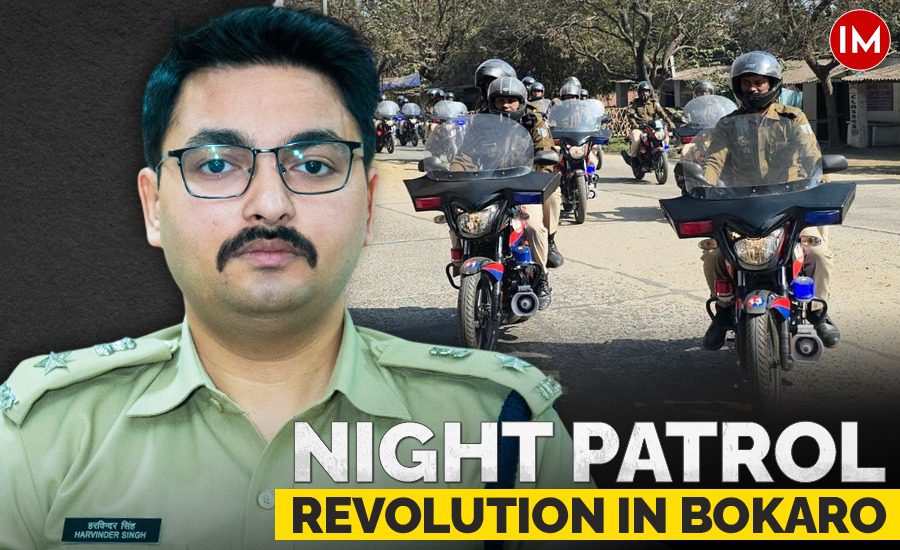
For Harvinder Singh, Superintendent of Police, Bokaro, that acceptance was the real problem.
A 2018-batch IPS officer of the Jharkhand cadre, Singh had just taken charge. Instead of viewing the burglaries as routine statistics, he began asking a basic question: Why were these crimes happening repeatedly, and why mostly at night?
The answer would soon roar onto Bokaro’s streets on two wheels.
A TOWNSHIP WITHOUT WATCHFUL EYES
Bokaro’s layout makes it unique. As an industrial township dotted with company quarters, social cohesion often differs from that of traditional neighbourhoods. Families lock their homes and leave for days. There is limited organic surveillance by neighbours.
“People lock their homes and leave for days. Sometimes, no one even knows. They return after a few days and only then discover the theft,” he shared in an exclusive conversation with Indian Masterminds.
Crime pattern analysis confirmed what Singh suspected: most house trespassing and burglaries occurred between late evening and early morning. Dark stretches, broken boundary walls, patches of jungle and narrow approach roads created ideal escape corridors.
The solution had to be visible, mobile and persistent.
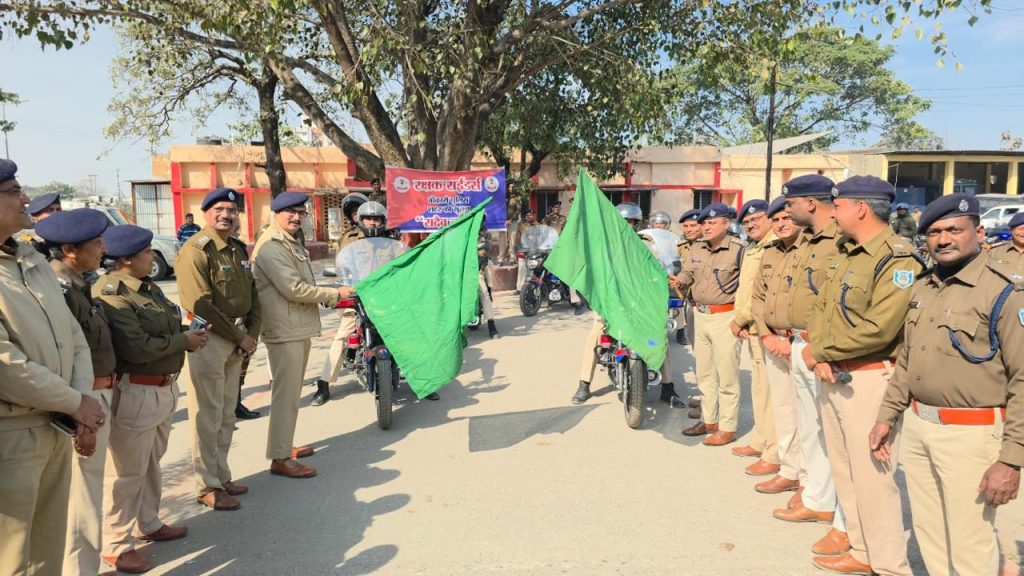
THE BIRTH OF THE RAKSHAK RIDERS
The answer arrived in the form of two-wheeled patrol units.
“It is a team of bike-borne Quick Response Teams called ‘Rakshak Riders.’ Their primary responsibility is night patrolling, especially between 11:30 PM and 5 AM,” stated Singh.
These teams were carved out despite manpower constraints, a challenge faced by police forces across India. Officers were reassigned and freed from other routine duties to focus exclusively on dominating the night.
Each team was allocated specific crime-prone pockets based on historical data. Their motorcycles were GPS-enabled, allowing real-time monitoring by senior officers, including the SP himself.
“We can track every bike’s movement through GPS. Responsibility can be fixed. If an incident happens, we can analyse whether the assigned route was properly covered.”
Accountability was no longer abstract. It was mapped, monitored and measurable.
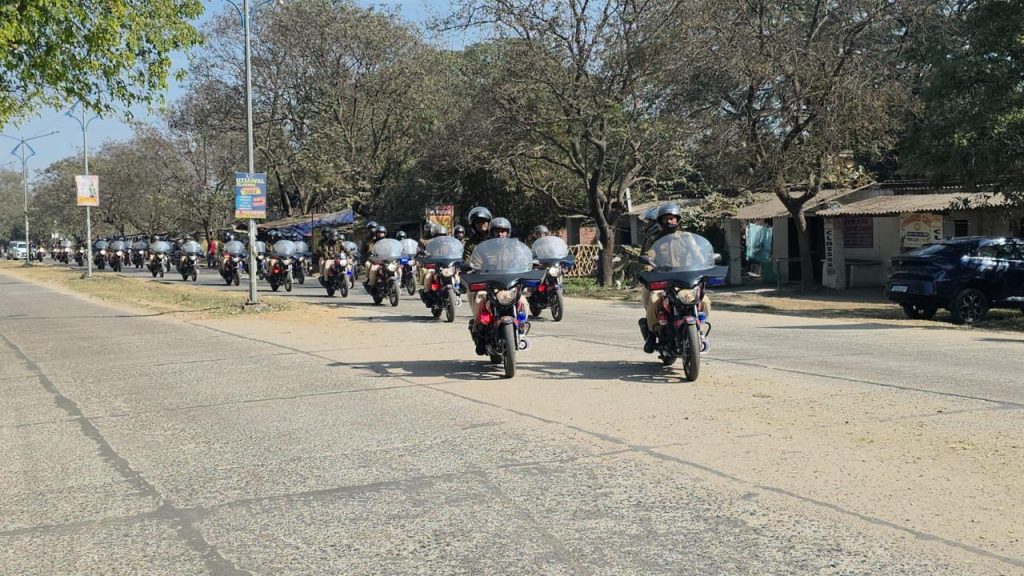
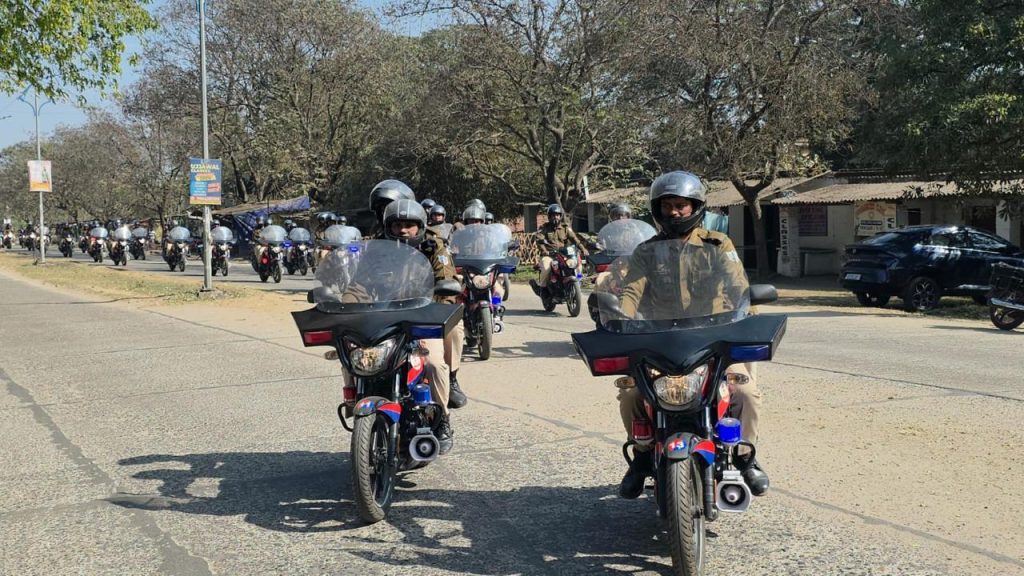
WHY MOTORCYCLES MADE THE DIFFERENCE
The choice of bikes was not symbolic; it was tactical.
“Motorcycles offer better manoeuvrability. The criminals would choose routes where four-wheelers could not reach: narrow, dark stretches and broken boundary areas. That is why we shifted to bikes,” shared the officer.
Traditional patrol vehicles struggled to access inner lanes and poorly lit back routes. Criminals knew this and exploited it. The Rakshak Riders changed that equation.
With sharper turns, easier access and faster response times, the bikes brought police presence to corners that had long remained vulnerable.
MOTIVATION BACKED BY MEASURABLE RESULTS
Singh understood that structure alone would not sustain performance. The teams needed ownership.
“We told them this responsibility is very close to my heart. They were made to feel special. We have also introduced a reward system to keep them motivated,” he told Indian Masterminds.
A 15-day reward cycle recognises crime-free performance in assigned zones. If an incident occurs, GPS logs allow a detailed review. Responsibility can be fixed with clarity, not conjecture.
In just over two months since its launch, the initiative has shown encouraging signs.
“So far, touch wood, the impact has been very positive.”
For residents, that impact translates into something simple yet powerful: peaceful nights.
TACKLING RUMOURS AND REMOVING CAMOUFLAGE
Night policing was only one front. Singh also addressed two parallel concerns: rumour-mongering and illegal black films on vehicles.
Misinformation, particularly around sensitive issues, can destabilise communities. At the same time, tinted black films on cars provided criminals with easy concealment.
“Black films give criminals a kind of cover. That is why we appealed to people to remove them.”
Police teams created awareness videos urging citizens not to believe rumours and to comply with vehicle regulations. Enforcement was paired with communication: firm but preventive.
REWRITING THE NIGHT
In Bokaro, change has not come with dramatic raids or headline-grabbing operations. It has come with da isciplined presence between 11:30 PM and 5 AM.
The hum of motorcycles in silent lanes. GPS dashboards are lighting up in control rooms. Officers who know their routes are being watched and appreciated.
Through Rakshak Riders, IPS Harvinder Singh is challenging a dangerous acceptance: that burglary is inevitable in an industrial township.
And in doing so, he is steadily reclaiming Bokaro’s nights.