A soldier may stand at the nation’s frontiers.
But behind every soldier stands a woman who has quietly mastered the art of courage.
Every year on International Women’s Day, we celebrate achievements, leadership, and women who have broken barriers across professions. Those stories deserve applause.
Yet, there exists another extraordinary community of women whose courage rarely finds headlines. Their contributions are seldom measured in awards or public recognition. But their role is fundamental to the strength of a nation’s armed forces. They are often visible on your TV screens- silent and strong, when you find an Indian Army soldier who has made the ultimate sacrifice to his motherland or in the Rashtrapati Bhawan when they are escorted by the officers from the Paltan to receive the highest gallantry award from the Supreme Commander.
Yes, I am speaking of the community of Army wives.
Having spent a lifetime in uniform, I have often reflected on a simple truth. A soldier serves the nation, but the soldier’s family serves the soldier. That distinction may appear subtle. In reality, it explains why the community of Army wives is unlike any other social community the country.
When a young woman marries a man in the Olive Greens, she does not merely marry an individual. She enters a life defined by uncertainty, movement, duty, and sacrifice. She steps into an institution that functions not only through discipline and command structures, but through something far deeper “shared resilience.”
The real initiation begins with the first posting.
For many young brides, that first military station may be a distant cantonment or a remote field location. Sometimes the husband is already deployed in operational areas or perhaps in high-altitude regions or counter-insurgency zones. The surroundings are unfamiliar. The routines are different. And the questions quietly begin to surface.

How does one navigate this life?
The answer arrives not through instruction manuals but through the embrace of this remarkable community.
Within days, sometimes hours, the regimental family absorbs the newcomer. Senior ladies guide her gently through the rhythms of military life making them learn and understand how the regiment functions, how families support one another, how dignity and composure are maintained through both celebration and adversity.
It is an unwritten code. A culture passed from generation to generation.
In the Indian Army, the Paltan or the battalion or a regiment is far more than an operational unit. It is an institution of belonging. For soldiers, it shapes identity. For families, it becomes the emotional anchor that steadies life through constant change.
Postings may change every few years. Cities and cantonments come and go. But the Paltan remains.
Life in cantonments gradually builds a tapestry of shared experiences. Festivals are celebrated together. Welfare activities bring families together. Sports days, cultural evenings, and community gatherings quietly nurture friendships that often last a lifetime.
These may appear like simple social interactions. But beneath them lies a deeper understanding in that military families live with UNCERTAINITY.
There are long stretches when soldiers are deployed far away. Communication may be irregular. Emergencies at home must be handled alone. Children grow up seeing their fathers only during short breaks between field tenures.
In those moments, the Army wife becomes the commander of the home front.
She manages the household. She raises children who must constantly adapt to new schools and cities. She handles financial decisions, unexpected crises, and emotional responsibilities that rarely find acknowledgement.
And she does all this while ensuring that the soldier deployed in difficult terrain never worries about the family he left behind.
This invisible responsibility directly strengthens operational effectiveness. A soldier performs better when he knows his family is secure and supported.
But the true measure of this community emerges during its darkest moments.
The Indian Army has faced decades of counter-insurgency and counter-terrorism operations. These operations have demanded immense sacrifice. When a soldier falls in the line of duty, the loss is deeply personal but it also reverberates through the entire regimental family.
And yet, one witnesses extraordinary courage.
Young wives sometimes barely into their thirties stand before the nation with remarkable dignity. They console their children. They receive the nation’s gratitude with composure. Then they begin the difficult journey of rebuilding life while carrying the memory of a fallen husband.
Many raise children single-handedly. Some pursue careers they had never planned. Others become pillars of strength for fellow military families navigating similar grief. Few most courageous join the Olive Greens as a mark of respect.
Their courage is not dramatic. It is quiet, dignified, and deeply resolute.
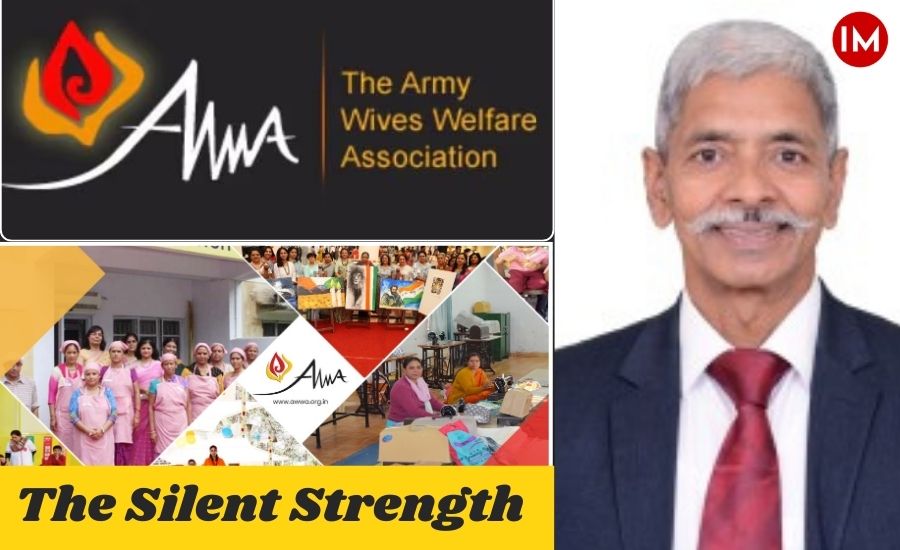
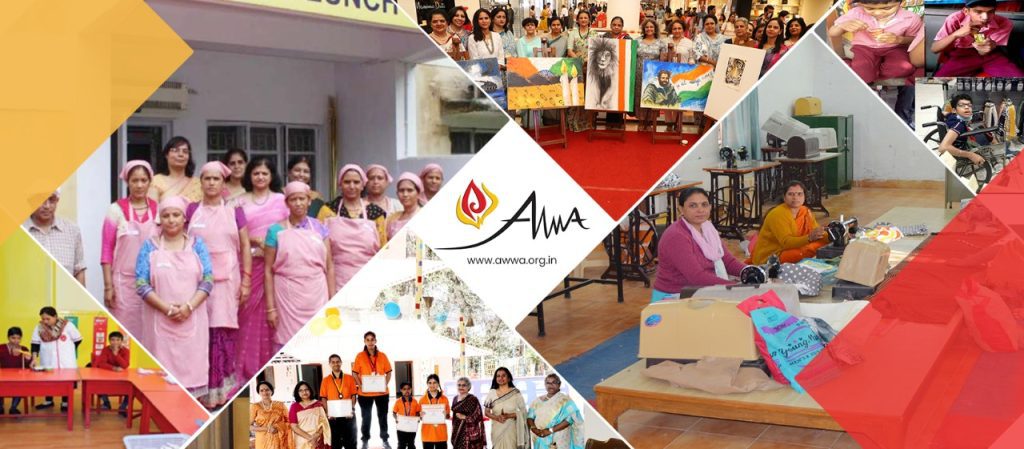
Institutions such as the Army Wives Welfare Association (AWWA) have played a vital role in strengthening this ecosystem of support. AWWA initiatives focus on welfare, skill development, education, and empowerment of military families. Over decades, it has evolved into a powerful network that ensures no Army family feels isolated.
Yet the deeper strength of the system lies beyond formal structures. It lies in the regimental ethos, the unspoken assurance that no family stands alone.
In a Paltan, joys are shared and sorrows are shared. Children grow up surrounded by an extended family. Senior families mentor younger ones not only in military customs but in navigating life’s uncertainties.
It is a community where compassion is instinctive.
Even after retirement, these bonds rarely fade. Decades later, former officers and their spouses continue to gather for regimental reunions. The stories are retold. The friendships endure. The sense of belonging remains intact.
In many ways, the Army family represents something increasingly rare in modern society ; a culture built on collective strength rather than individual ambition.
For countless women who marry into the Olive Greens, the regiment becomes the environment where they discover their own resilience, leadership, and purpose. Through constant movement and adversity, they evolve into remarkable individuals capable of handling situations that would overwhelm many others.
And yet, their contributions remain largely invisible to the public eye.
So, on this International Women’s Day, perhaps the nation should pause and reflect on another kind of heroism.
Not the kind that marches on parade grounds or earns medals in battle.
But the kind that quietly sustains those who do.
The courage of Army wives.
The resilience that holds families together during long separations.
The dignity displayed during moments of profound loss.
As a soldier, I have often been asked what gives men in uniform the strength to endure the rigors of military life.
The answer is rarely found in weapons, tactics or strategy.
It lies somewhere much deeper.
Behind every soldier standing guard at the frontier, there is often a woman who has mastered the art of standing strong at home.
She rarely seeks recognition.
But she deserves the nation’s salute.