For years, Bihar has carried two images together — one of glorious history and intellectual legacy, and another shaped by migration, poverty, and stereotypes. While many accepted this contradiction as reality, one IPS officer decided to challenge it through a people’s movement built on pride, participation, and possibility.
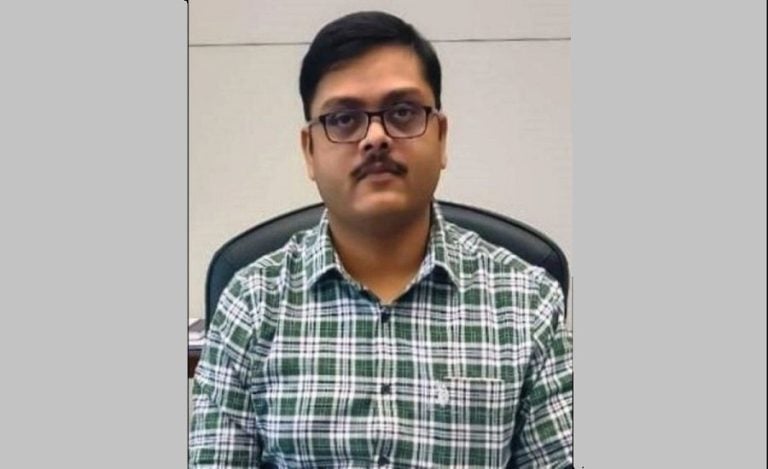
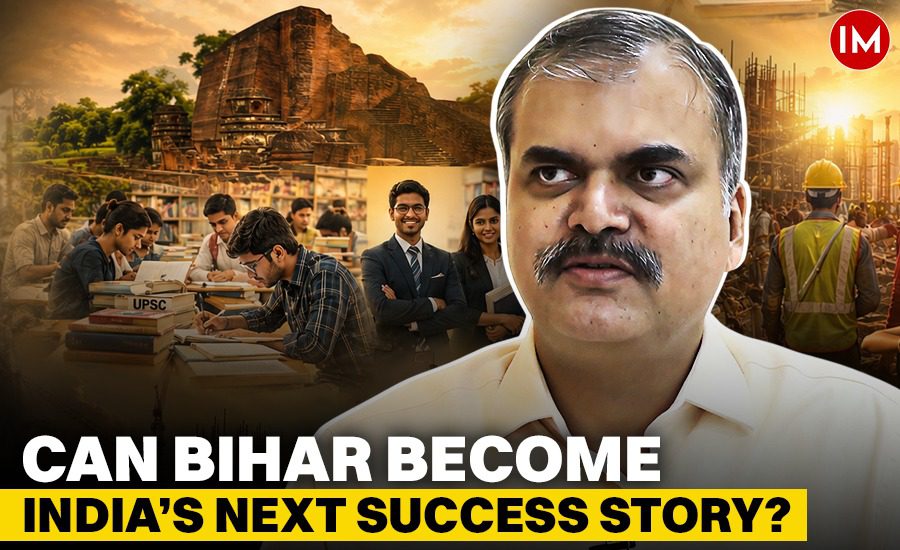
Today, “Let’s Inspire Bihar” has become much more than a social initiative. It has evolved into a growing movement connecting lakhs of people across districts and even outside the state. At the centre of it is Vikas Vaibhav, a 2003-batch IPS officer of the Bihar cadre, who is currently serving as Inspector General (IG), Magadh Range.
In a conversation with Indian Masterminds, the officer spoke openly about the emotional journey, personal experiences, and deep concerns that eventually led to the birth of the initiative in 2021.
A Beginning During an Unexpected Pause
Ironically, the movement began during a phase of stillness.
After years of intense policing assignments, Mr. Vaibhav was posted as Secretary in the Home Department. For the first time in many years, he found himself with relatively free Saturdays and Sundays.
“That was probably the first time after years in policing when weekends felt free,” he told Indian Masterminds. “I felt perhaps God had given me an opportunity to finally begin something that had always lived within me since childhood.”
That thought became the foundation of “Let’s Inspire Bihar.”
He said the idea had existed in his mind since his early years — a dream that the word “Bihari” should once again become a symbol of pride and respect.
“I always felt Bihar should become a symbol of dignity again,” he said. “People should hear the word ‘Bihari’ with respect.”
Watch Here :
Childhood Experiences That Left a Deep Mark
The inspiration behind the movement did not come from one incident alone. It was shaped slowly through personal experiences, observations, and disappointments.
Mr. Vaibhav recalled how, during his student years, Bihar often carried a stigma outside the state. One incident that deeply affected him was the IIT-JEE paper leak controversy in the late 1990s.
“When the IIT paper leak happened, I felt disturbed. I kept asking myself — why Bihar again? Why should our state be known for such things?” he said.
These questions strengthened his resolve to work for change.
He studied at IIT and later prepared for the Civil Services with the belief that governance could become a tool for transformation. Eventually, he joined the Indian Police Service in 2003.
Also Read – How Prajesh Kanta Jena Used One Tribal Flower to Stop Forest Fires and Double Village Incomes
Learning Bihar Through Policing
His years in the police service shaped his understanding of Bihar’s realities.
From Bhagalpur to Rohtas, Patna to Munger, he witnessed law-and-order challenges, social tensions, poverty, and migration closely. But he also saw extraordinary resilience and talent among ordinary people.
“When I came to Bihar as an IPS officer, the law-and-order situation was not very good,” he recalled. “But I also realised that if sincere efforts are made, even things considered impossible can change.”
Over time, he felt that policing alone was not enough. Bihar needed a broader social awakening — especially among its youth.
That belief eventually led him to create a larger platform that could emotionally reconnect people with Bihar’s civilisational legacy and future possibilities.
Building Pride in Bihar’s Identity
One of the biggest concerns Mr. Vaibhav spoke about was the identity crisis among young Biharis.
Even today, many young people hesitate to publicly identify themselves as being from Bihar when they move to cities like Delhi, Bengaluru, or Mumbai.
But according to him, the situation is changing.
“I am very optimistic,” he said. “More than 3.6 lakh people are now connected through our WhatsApp groups. Wherever I go, I see hope among the youth.”
He acknowledged that Bihar’s economic backwardness has contributed to negative perceptions. However, he believes perception changes when development, skills, and opportunities improve.
“Bihar has talent even today,” he said. “What we need is skill development, confidence, communication skills, and opportunities.”
From Heritage to Hope
At the heart of “Let’s Inspire Bihar” is the idea that Bihar’s past can inspire its future.
Mr. Vaibhav frequently speaks about Bihar’s ancient intellectual and democratic traditions — from Vaishali, considered the world’s first republic, to Chanakya, Chandragupta Maurya, Gargi, and the Upanishadic tradition.
He believes Bihar was once far ahead of its time socially and intellectually.
“Vaishali showed the world that leadership does not have to come only through birth,” he said. “Bihar always had the courage to think differently.”
At the same time, he expressed concern that modern Bihar has become trapped in narrow social divisions, especially caste-based politics.
“We are again moving backward into smaller identities,” he observed. “Earlier Bihar thought beyond such boundaries.”
According to him, real progress will happen only when conversations shift from caste arithmetic to entrepreneurship, jobs, education, innovation, and economic growth.
Small Contributions, Big Impact
What began as discussions soon turned into action on the ground.
Under “Let’s Inspire Bihar,” district chapters and local groups began organising educational and social initiatives. Among the most visible is “Gargi Pathshala,” which focuses on helping underprivileged children access education and skill-building opportunities.
But the movement expanded organically beyond formal programmes.
Many people associated with the initiative started contributing in their own villages and districts. Some opened libraries. Others established computer labs in schools. Some organised free medical camps, while others started scholarships in the names of their parents.
“These are different ways in which people can contribute,” he said. “When this grows from hundreds to thousands and then lakhs of people, Bihar will witness a major transformation.”
Bihar’s Future Lies in Entrepreneurship
A major focus area for Mr. Vaibhav is economic growth and entrepreneurship.
He repeatedly emphasised that Bihar cannot progress only by producing job-seekers. It must also create job creators.
According to him, Bihar today offers immense untapped opportunities, especially in technology, manufacturing, agriculture, tourism, and district-level startups.
“Bihar is like a green field,” he said. “The market is huge and the possibilities are enormous.”
He pointed out that during the lockdown, many young professionals realised they could work remotely while staying in Bihar. That experience encouraged several technology-based startups to emerge from smaller towns and districts.
At the same time, he believes Bihar’s manufacturing potential remains largely underutilised despite having land, labour, electricity, and a massive domestic market.
Changing Perception Through Development
Mr. Vaibhav admitted that Bihar still struggles with negative perceptions related to law and order, infrastructure, and social tensions.
However, he believes these perceptions can only change through visible economic and social progress.
“When the economy grows, jobs are created, and youth become leaders in their communities, perceptions will automatically change,” he said.
He believes Bihar needs more local leadership at every level — people who inspire others not merely through speeches but through action.
A Movement Rooted in Hope
Five years after its beginning, “Let’s Inspire Bihar” continues to grow as a volunteer-driven social movement rather than a formal institution.
Perhaps its biggest achievement is that it has given many young people something Bihar often lacked in recent decades — collective confidence.
For Mr. Vaibhav, the mission remains simple yet ambitious: to reconnect Bihar with its own strength.
And in doing so, he hopes a generation will stop apologising for being from Bihar — and start leading with it instead.
Also Read – How Champhai Administration is Tackling Learning Gaps Through Project LEAD