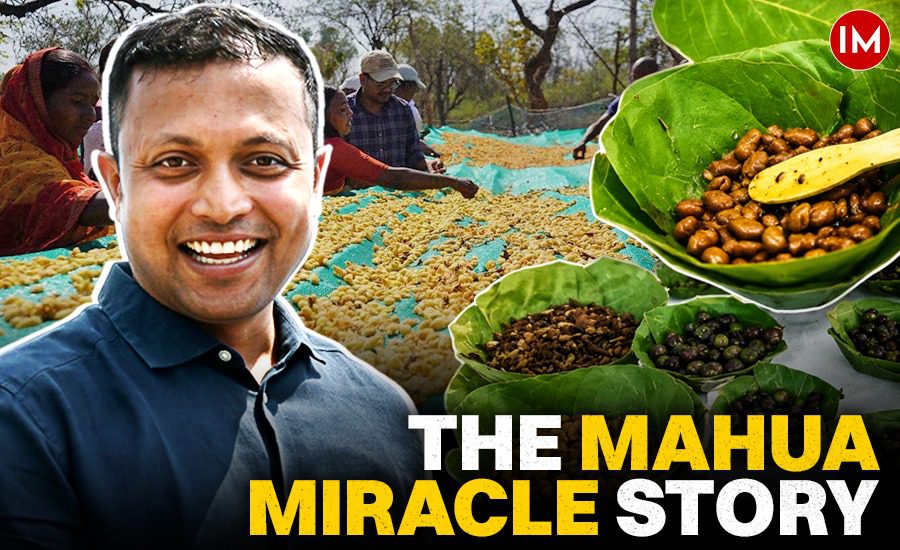
In the dry forests of Jharkhand’s Palamau Tiger Reserve, fire was once treated as an unavoidable season. Every summer, flames quietly spread through the forest floor, scorching leaves, damaging biodiversity, and pushing wildlife closer to villages.
For years, forest officials fought the fires the conventional way by dousing flames, creating fire lines, and reducing fuel load. But the fires kept returning.
Then, a young Indian Forest Service officer decided to ask a different question.
Instead of only asking how to stop the fires, he asked why they were starting in the first place.
That question led Prajesh Kanta Jena, Deputy Director (North) of Palamau Tiger Reserve, into the heart of tribal villages, beneath towering mahua trees, and eventually toward a model that is now drawing attention across the country.
What emerged was not merely a forest-fire prevention strategy. It became a story of ecology, livelihood, tribal culture, women’s labour, climate action, and dignity, all tied together by one forest flower.
In an exclusive conversation with Indian Masterminds, he shared details about the same.
Also read: How IFS Prajesh Kanta Jena Empowered Women & Youth at Palamau Tiger Reserve
A FOREST BLESSED BY NATURE, YET VULNERABLE TO FIRE
Palamau Tiger Reserve is one of India’s oldest tiger reserves, rich in biodiversity yet geographically fragile. The dry landscape and low soil moisture make the forests highly vulnerable to fire.
“It is a drought-prone area. Soil moisture quantity is less, and forests are always vulnerable towards forest fire,” says Jena.
Like many forest divisions across central India, officials initially focused on controlling fires after they started. Fire lines were cut. Teams rushed to extinguish flames. Yet every year, the damage repeated itself.
Jena and his team decided to go beyond firefighting and investigate the social roots of the problem.
What they discovered changed everything.
THE MAHUA CONNECTION NOBODY WAS TALKING ABOUT
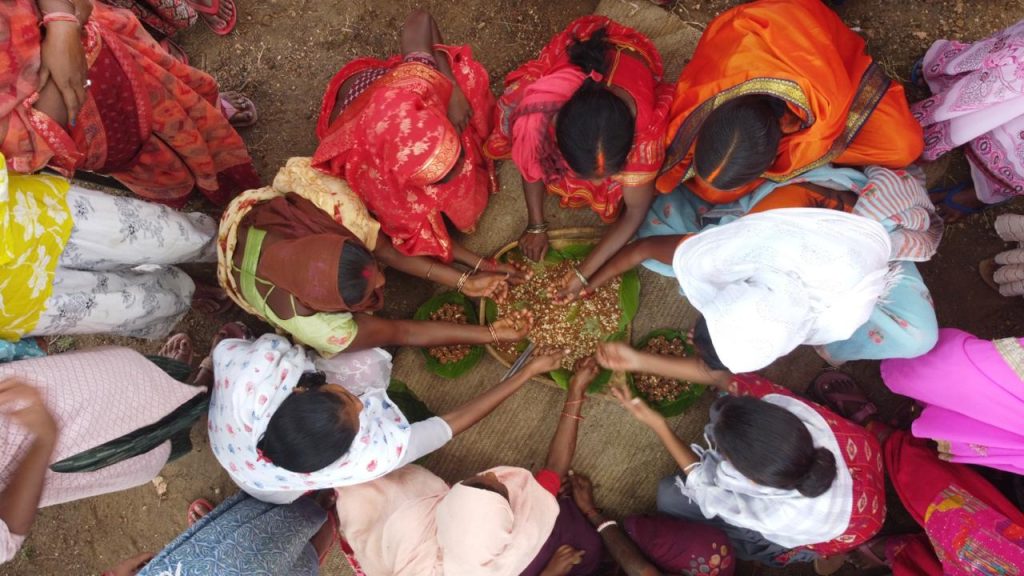
In the tribal belt stretching across Jharkhand, Chhattisgarh, Odisha, and Madhya Pradesh, mahua is far more than a tree. It is memory, nutrition, culture, economy, and survival.
For generations, tribal communities have collected fallen mahua flowers to make traditional foods, sweets, syrups, and household products. During historic periods of scarcity, including the Bengal famine years, mahua sustained countless families.
“Mahua collection is the cultural heritage of the tribal landscape of India,” Jena says.
But the process of collecting mahua had quietly become one of the biggest triggers behind man-made forest fires.
Every morning during collection season, villagers burned the dry leaves lying beneath mahua trees so the flowers could be gathered easily. The fires were intended to remain controlled, but in dry forests, flames rarely stayed confined.
“Almost 90 percent of the man-made forest fires were linked to fires started under mahua trees,” Jena says.
The challenge was clear. But simply banning the practice was never going to work. For forest-dependent communities, mahua was tied to livelihood and tradition. Any solution had to protect both forests and people.
THE FIRST EXPERIMENT: CLEANING THE FOREST WITHOUT FIRE
Jena’s team began small.
Every mahua tree in selected areas was geo-tagged. Forest officials reached out directly to tree owners through Eco Development Committees (EDCs). Instead of burning leaves, the teams used air blowers to clear the ground beneath the trees.
The results were immediate.
Without fire, forests stayed safer. Villagers could still collect mahua. The experiment worked as a preventive model.
But Jena felt the solution could go much further. Why merely remove the leaves when the leaves themselves could create income?
That question led to the birth of “Operation Black Gold.”
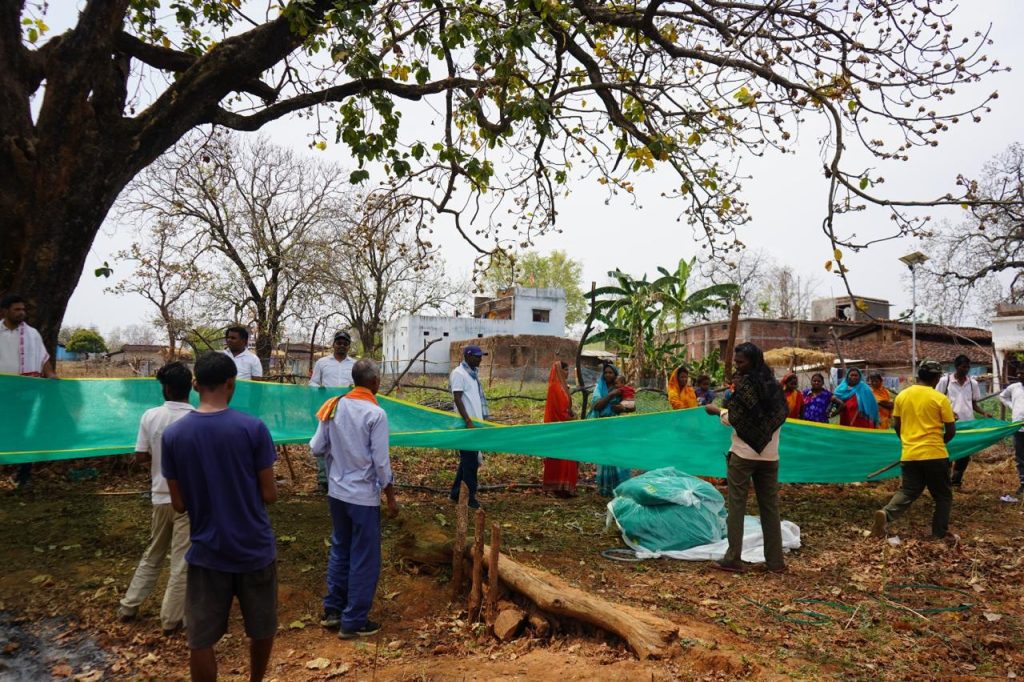
TURNING BURNT LEAVES INTO COMPOST AND INCOME
Under the initiative, villagers were trained to compost the fallen mahua leaves and surrounding biomass instead of burning them.
What was once smoke became organic compost. What was once forest waste became village income.
“We gave it a positive spin by creating a livelihood opportunity from the same thing which used to be burned,” Jena told Indian Masterminds.
The pilot began with just ten compost beds. Now, the reserve is scaling it up to a hundred.
The idea did more than reduce fires. It revived local participation. Eco Development Committees became economically active again. Villagers who once saw the Forest Department only as a regulatory authority began engaging as partners.
For Jena, that shift matters deeply.
“We want to replace force and enforcement with positive stakeholder participation,” he says.
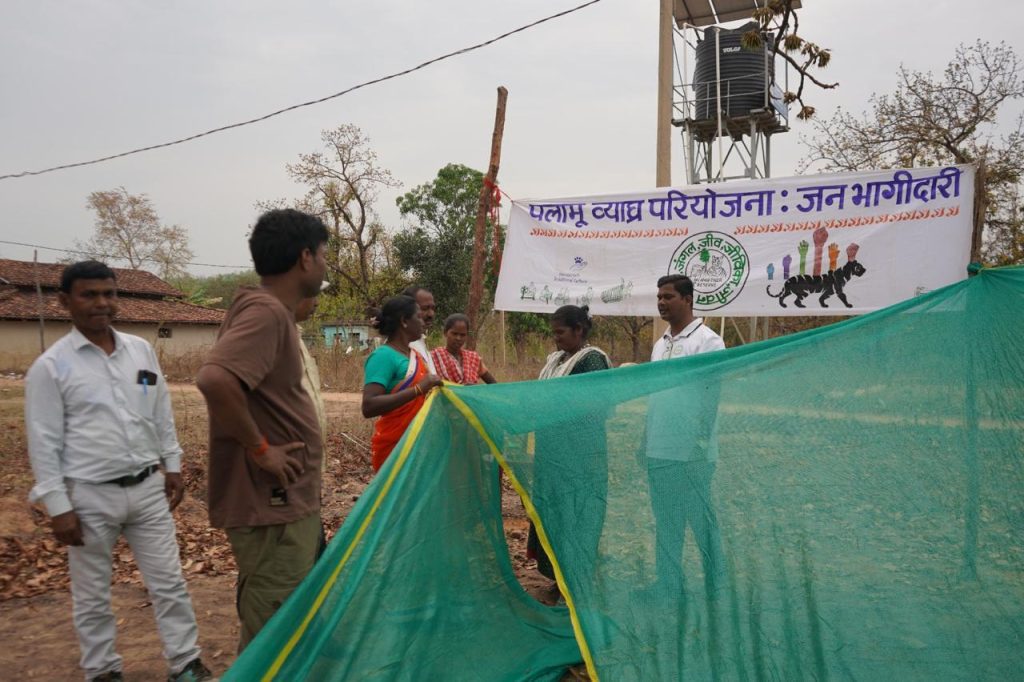
THE BIGGER CRISIS: MAHUA WAS LOSING ITS IDENTITY
As the initiative expanded, another uncomfortable reality emerged. Mahua itself was being undervalued.
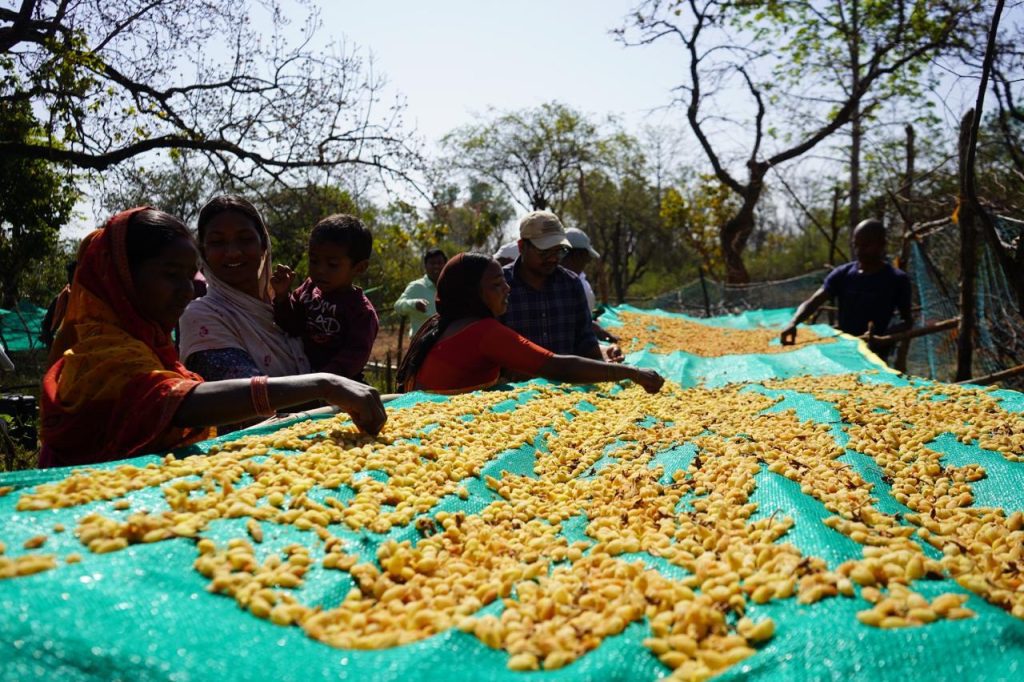
Though considered a superfood in tribal communities, most collectors received only ₹30–45 per kilogram. Poor collection methods meant flowers mixed with ash, dust, and moisture. They were dried on roadsides or rooftops, often rotting in uneven heaps.
The final product lost quality long before reaching the market.
“Mahua, which should have remained a nutritious forest food, was turning into a low-grade product,” Jena explains.
The consequences stretched across multiple fronts:
- Forest fires damaged ecosystems
- Tribal families received poor returns
- Women and children spent long hours collecting flowers
- Wildlife conflict increased during forest visits
- Traditional mahua foods were disappearing
- Mahua became unfairly associated only with liquor production
The reserve administration realised the issue was not just environmental. It was economic and cultural.
So, they redesigned the entire mahua value chain.
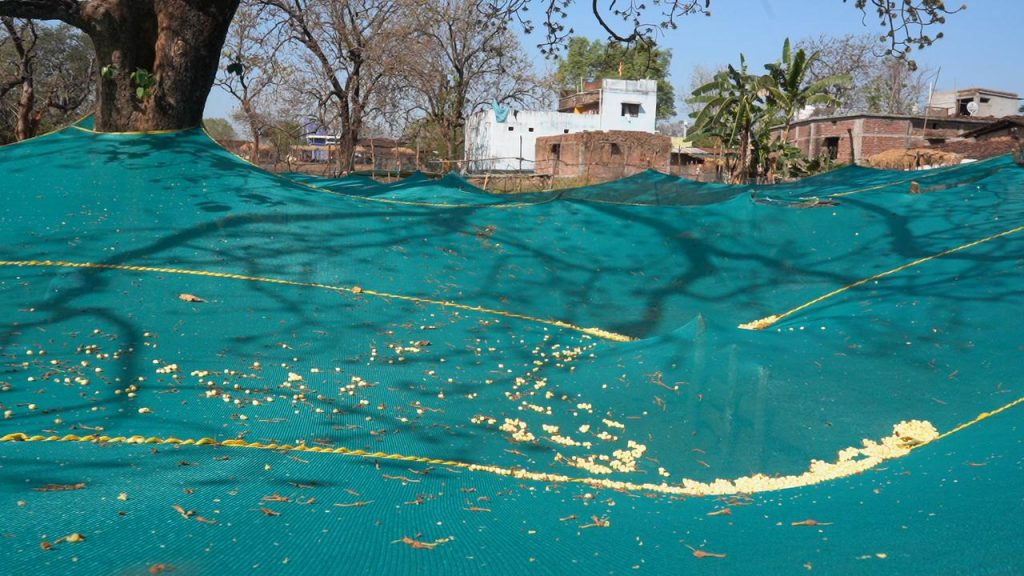
NETS BENEATH TREES, IMMEDIATE RTGS PAYMENTS, AND A NEW MARKET
The next phase introduced a structured collection system.
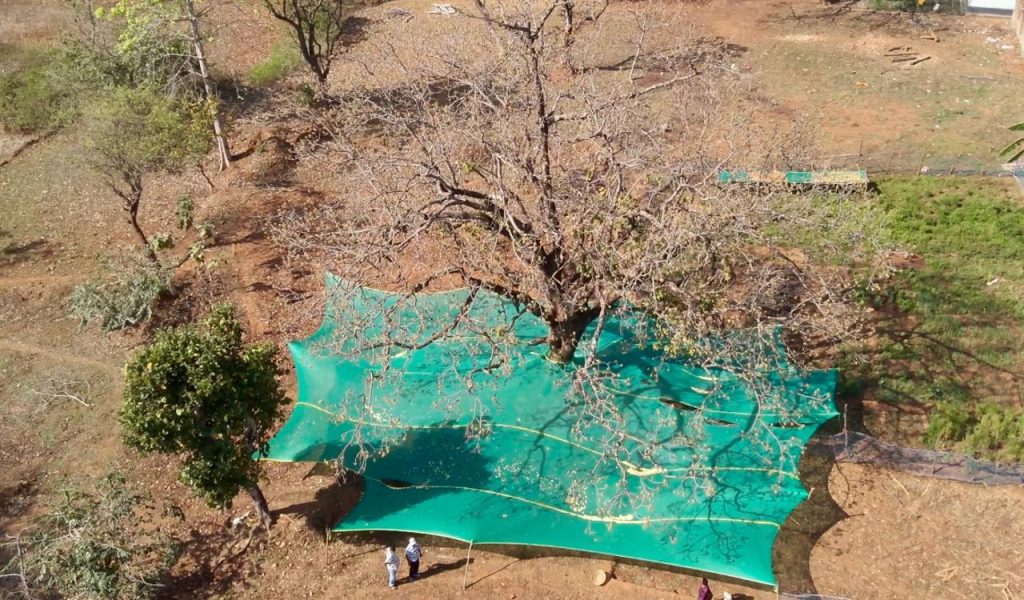
Green nets were installed beneath mahua trees so flowers could fall directly onto clean surfaces. Elevated drying platforms ensured uniform drying and moisture control. Polybags were distributed for hygienic collection.
Most importantly, collectors received assured and immediate RTGS payments.
The reserve also built partnerships with government-linked agencies and private companies producing urban mahua-based products such as cookies, syrups, brownies, chocolates, and health foods.
For the first time, villagers were connected to premium buyers demanding better-quality produce, and willing to pay nearly double.
“If a family earlier earned ten thousand rupees, now they can earn twenty thousand. For villages, that is a huge difference,” says Jena.
The model created a full ecosystem:
- Better collection
- Better quality
- Better pricing
- Assured demand
- Cleaner forests
And all of it happened without coercion.
REVIVING A FORGOTTEN TRIBAL FOOD CULTURE
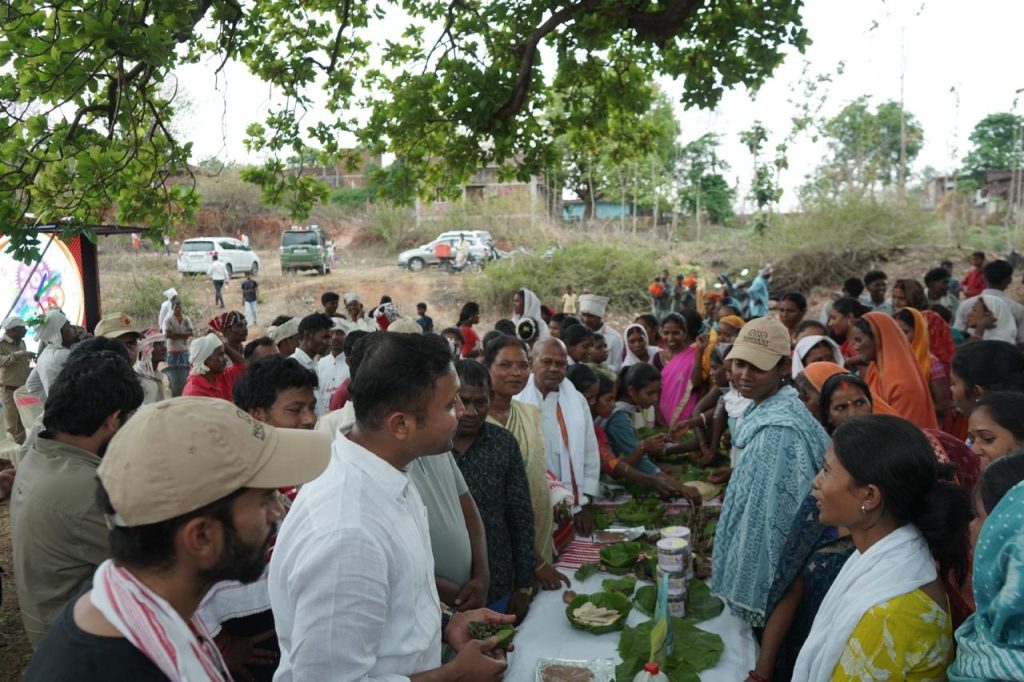
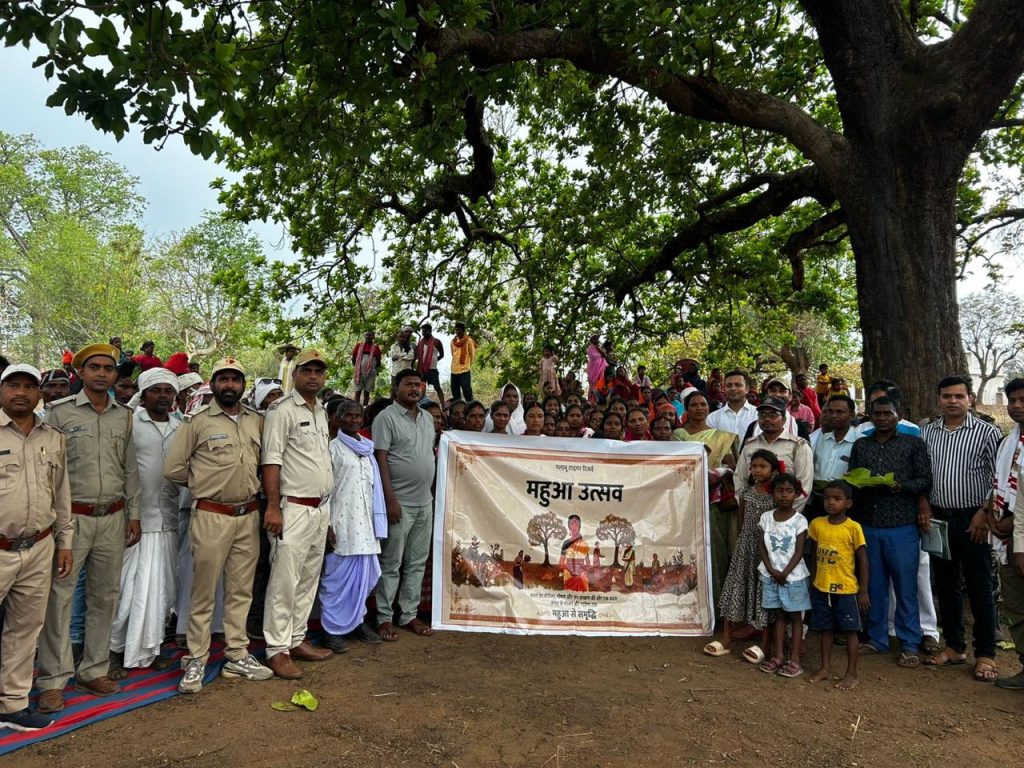
One of the most emotional moments came during “Mahua Utsav,” a celebration organised around the initiative.
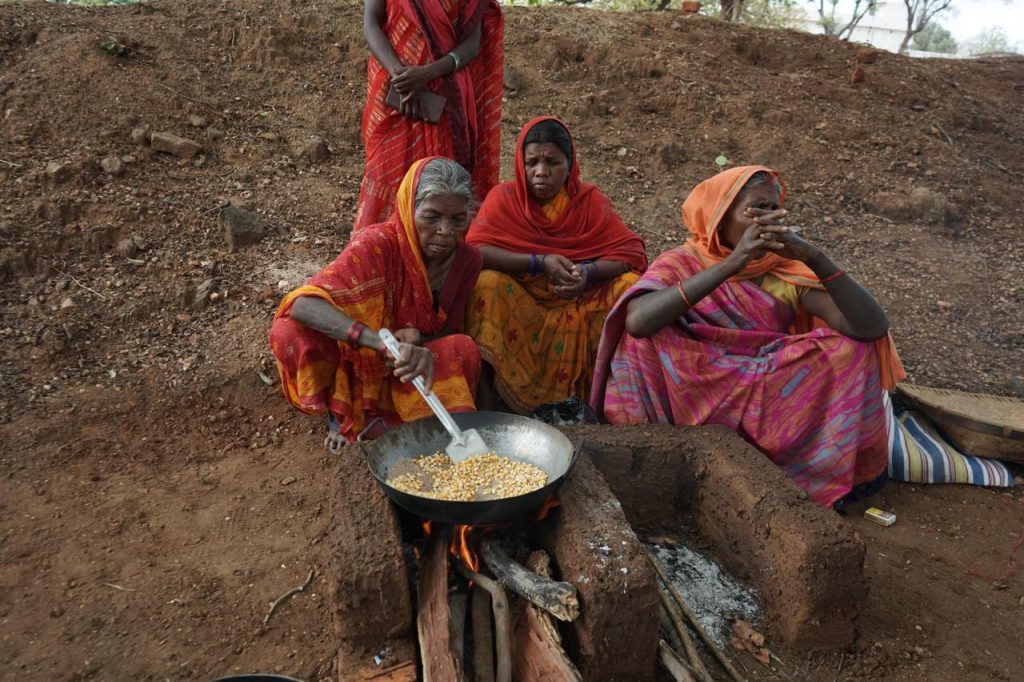
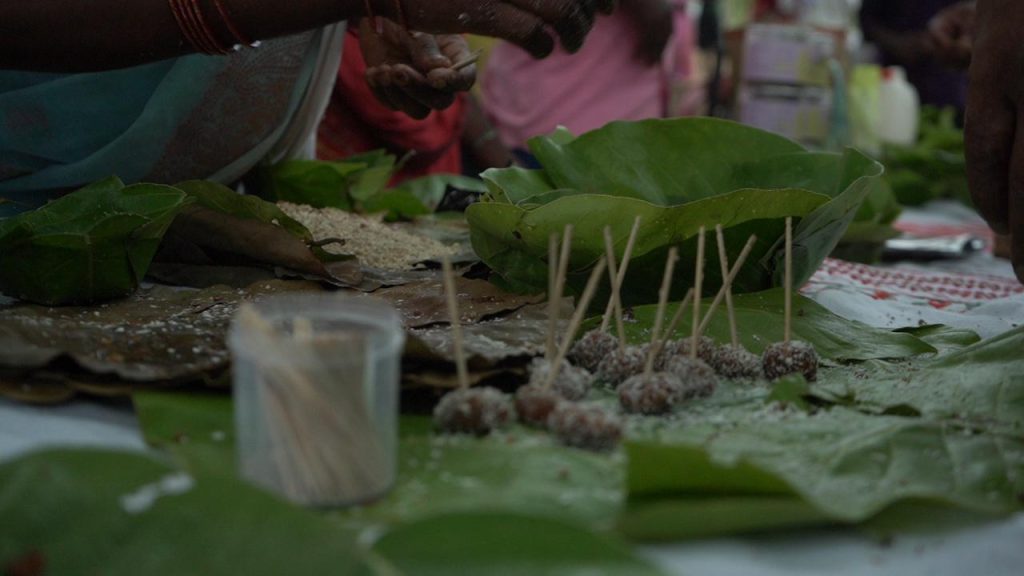
Under mahua trees, villagers gathered again for traditional songs, dances, recipes, and food exhibitions. Elderly women displayed age-old mahua dishes alongside modern packaged products created for urban markets.
The atmosphere carried something larger than commerce.
It was cultural restoration.
Jena believes that if clean, food-grade mahua returns to kitchens, it can help revive nutrition in tribal regions where anaemia and malnutrition remain common concerns.
“Mahua is not just a liquor-making product,” he says. “It is a superfood.”
That reframing may be one of the initiative’s most powerful achievements.
WHEN CONSERVATION STARTS BENEFITING VILLAGES DIRECTLY
Across many forest regions in India, forest departments are often viewed with suspicion because regulations are seen as barriers to local livelihood.
Jena wanted to change that relationship.
By linking conservation directly to economic gain, the initiative created trust between forest officials and communities.
Eco Development Committees began generating revenue. Villagers became collaborators in conservation instead of reluctant participants. Women saved time otherwise spent on repeated collection trips. Children missed fewer school hours.
Meanwhile, forest fires reduced, carbon emissions decreased, and dry biomass stopped turning into smoke.
“Conflict is often an indication for better policy development,” Jena reflects. “If we can provide better alternatives, communities naturally move away from harmful practices.”
A SMALL IDEA WITH NATIONAL ATTENTION
What began as a local experiment in Palamau is now attracting interest far beyond Jharkhand.
Jena has already presented the model at the national level, and discussions are underway for wider implementation in forest regions across India.
The reason is simple.
The initiative solves multiple problems at once:
- Forest fire prevention
- Climate mitigation
- Tribal livelihoods
- Women’s empowerment
- Community participation
- Cultural revival
- Sustainable forest governance
And it does so through one deceptively simple intervention: understanding why people light fires in the first place.
In Palamau, beneath the shade of mahua trees, conservation stopped being a battle between forests and people.
Instead, it became a partnership.
Also read: Exclusive | From Ridge to River: Prajesh Kanta Jena’s Community-Led Conservation Drive at Palamau