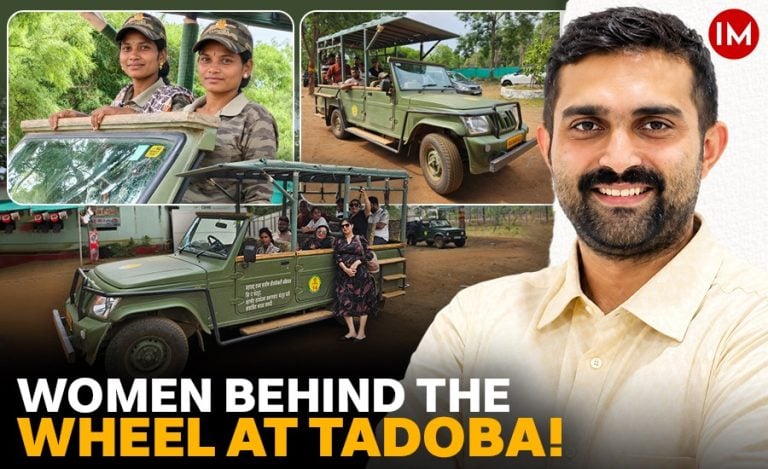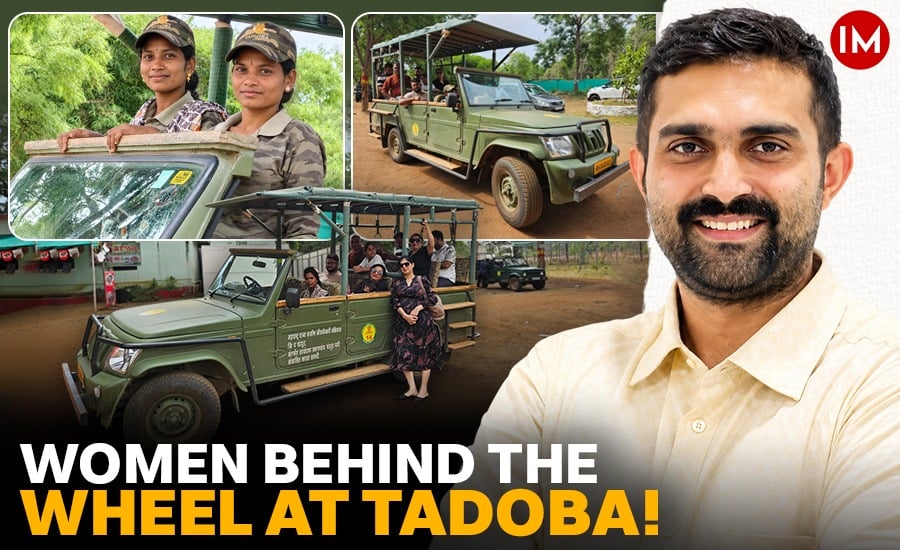
Tadoba-Andhari Tiger Reserve in Maharashtra attracts nearly four lakh visitors every year, but much of the tourism revenue has traditionally remained outside the local communities. To change this, the Zilla Parishad, Chandrapur, introduced an SHG-led safari vehicle initiative, enabling rural women to become safari drivers and participate directly in the tourism economy.
With two community-owned vehicles and eight trained women from Junona and Karwa villages, the initiative is creating new livelihood opportunities while strengthening women’s economic independence and community participation in conservation.
In an exclusive conversation with Indian Masterminds, IAS officer Pulkit Singh, Chief Executive Officer, Zilla Parishad, Chandrapur, Maharashtra cadre, 2021 batch, explains how the initiative was conceptualised, implemented and managed, the challenges involved in bringing rural women into safari tourism, its financial performance and plans to replicate the model across other safari gates.
1. What is the SHG-led Karwa Safari Gate Vehicle Initiative? How did the idea come about, and what problem were you trying to address through it?
Traditionally, women’s Self-Help Groups (SHGs) in rural areas have been linked with livelihood activities such as handicrafts, tailoring, and homemade edible products like papad and pickles. These activities have empowered many rural women in Chandrapur district, but they are often limited in scale and income. At Zilla Parishad Chandrapur, we wanted to explore newer and more sustainable livelihood options beyond these conventional sectors.
Chandrapur is home to the Tadoba-Andhari Tiger Reserve (TATR), one of India’s premier wildlife destinations, which attracts nearly 4 lakh visitors every year. This led us to a simple question: can rural women become active participants in the tourism and hospitality sector?
The answer was the SHG-led Karwa Safari Gate Vehicle Initiative. With funding under the Pradhan Mantri Khanij Kshetra Kalyan Yojana (PMKKKY) and a 10% contribution from the women-led Cluster Level Federation (CLF), two safari vehicles were procured and set up as a community-owned enterprise.
The vehicles were entrusted to the CLF for operation and management. Eight SHG women from Junona and Karwa villages were trained as drivers and now run safari operations.
The initiative addresses two problems together: the limited and seasonal income of forest-fringe women, who depend mostly on farming and daily wages, and the fact that tourism revenue around Tadoba was not reaching local communities.
2. Why were women from Junona (Karwa) selected for this initiative? What was their situation before they became part of the safari tourism economy?
Tadoba-Andhari Tiger Reserve and Chandrapur district’s territorial forests have 22 official safari gates (6 core and 16 buffer) entry gates. Of these, the Karwa and Lohara gates were opened recently. Earlier, the forest gates were not fully operational or regulated for tourism activities, while the surrounding communities had traditionally played an important role in conserving and protecting the forest.
Considering their contribution to forest conservation and their dependence on forest resources for livelihoods, it was felt that local community members should be given priority in the emerging safari tourism opportunities.
Accordingly, the Forest Department initiated the process of training women from Karwa village as safari vehicle drivers and nature guides, enabling them to participate directly in the tourism economy. Junona village, being located nearby, also showed interest in the initiative.
The Women’s Cluster Level Federation (CLF) from Junona expressed its willingness to participate and contribute 10% of the project cost. Considering this interest and the potential for collective livelihood generation, the initiative was taken forward through the CLF. Since the same federation was associated with the Lohara Gate as well, one safari vehicle was also deployed at Lohara Gate.
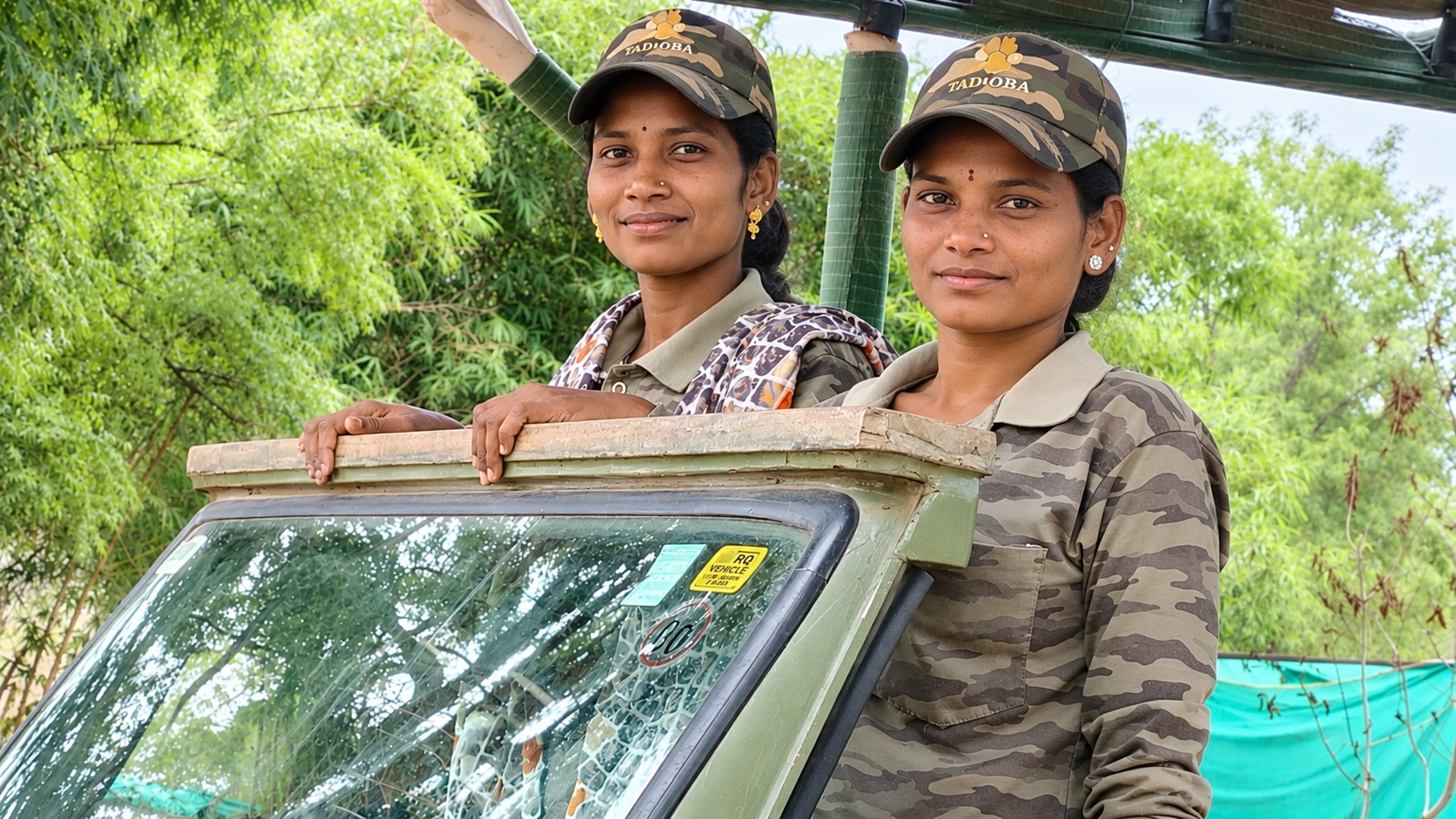
The Forest Department agreed to initiate the project at Karwa Gate, considering its encouraging tourist footfall and the steady demand for safari vehicles at Tadoba, an established wildlife tourism destination. For these women, who largely belonged to forest-dependent communities and had limited livelihood opportunities, this initiative created an opportunity to move beyond traditional forest-based livelihoods and establish an independent source of income through safari tourism.
It also enabled their participation in a growing tourism economy while strengthening community ownership and promoting women’s economic empowerment.
3. How was the initiative implemented? Could you explain the process, from identifying the women and procuring the vehicles to making the operations functional?
Administrative approval: The proposal was first placed before the competent committee and approved with the cognisance of the District Collector. The file was then processed under the PMKKKY innovative scheme of Zilla Parishad Chandrapur.
Identifying the CLF and the women: We identified CLFs that were interested and ready to pay the 10% contribution. Selection criteria were prepared for the roles of driver and tourist guide. Through the Community Resource Persons (CRPs) of UMED – Maharashtra State Rural Livelihoods Mission (MSRLM), we reached out to SHG members. The district consultant (BMM) held follow-up meetings with the women and their families. Through this process, eight women came forward who were willing to undergo training.
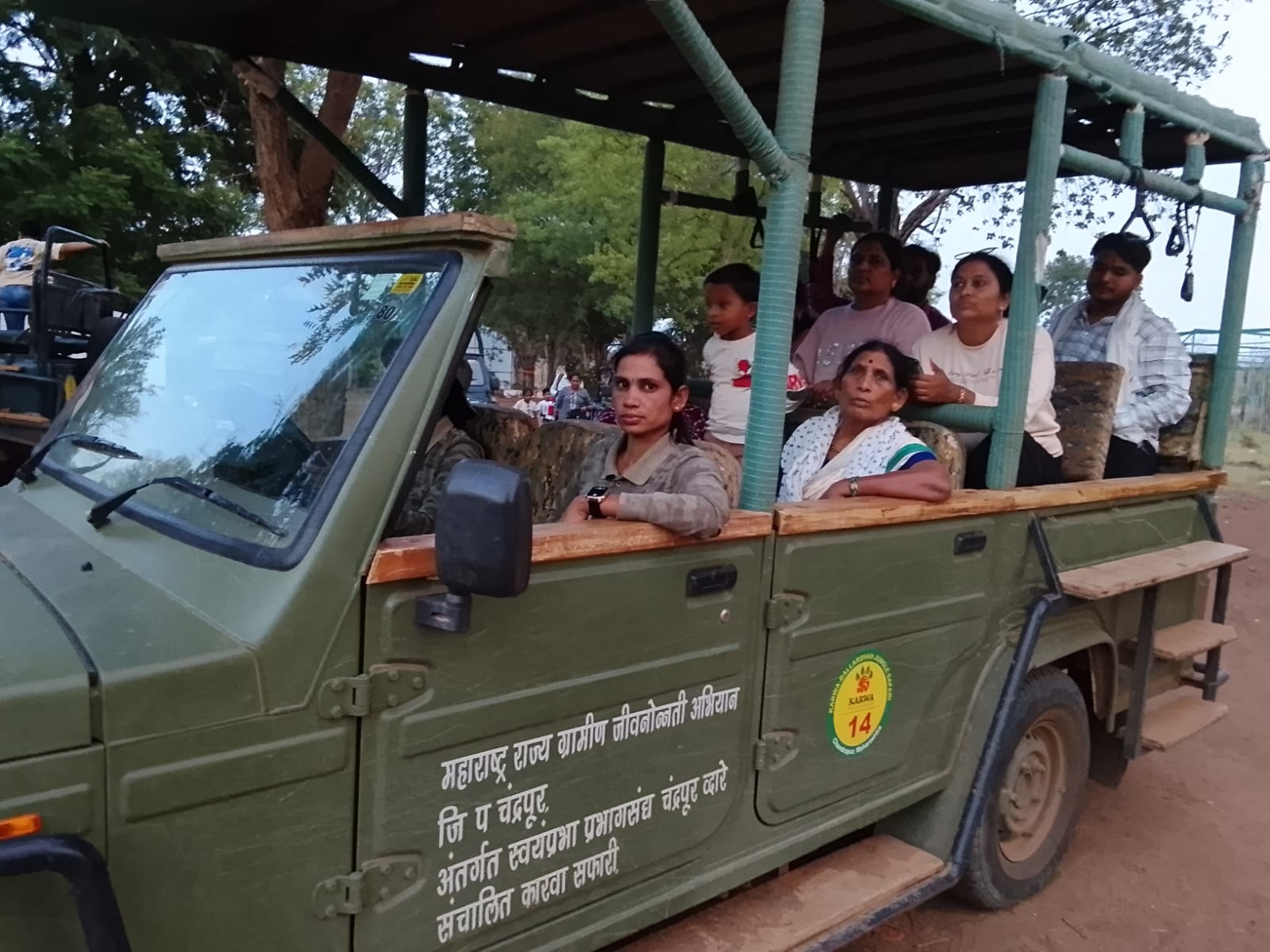
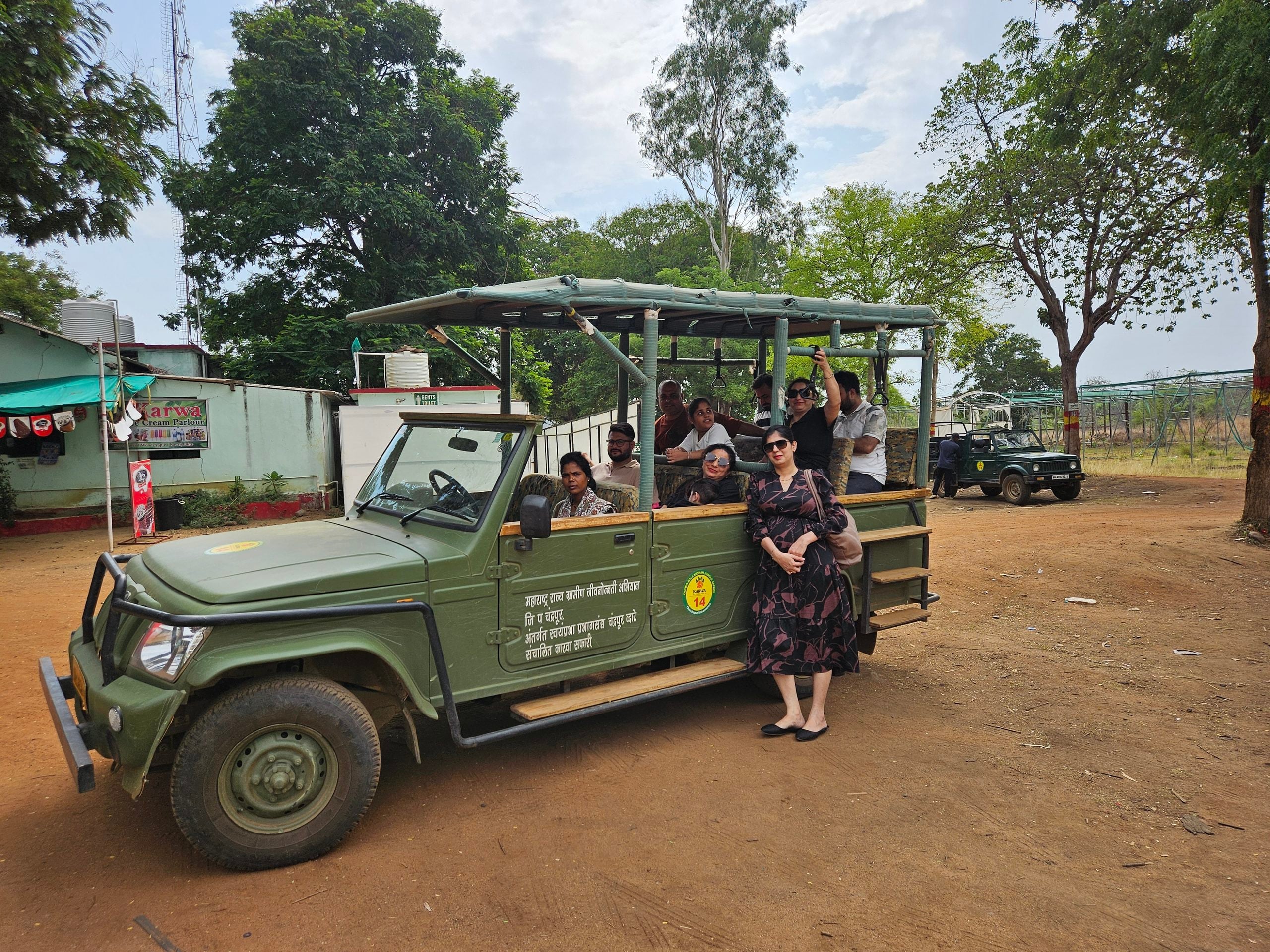
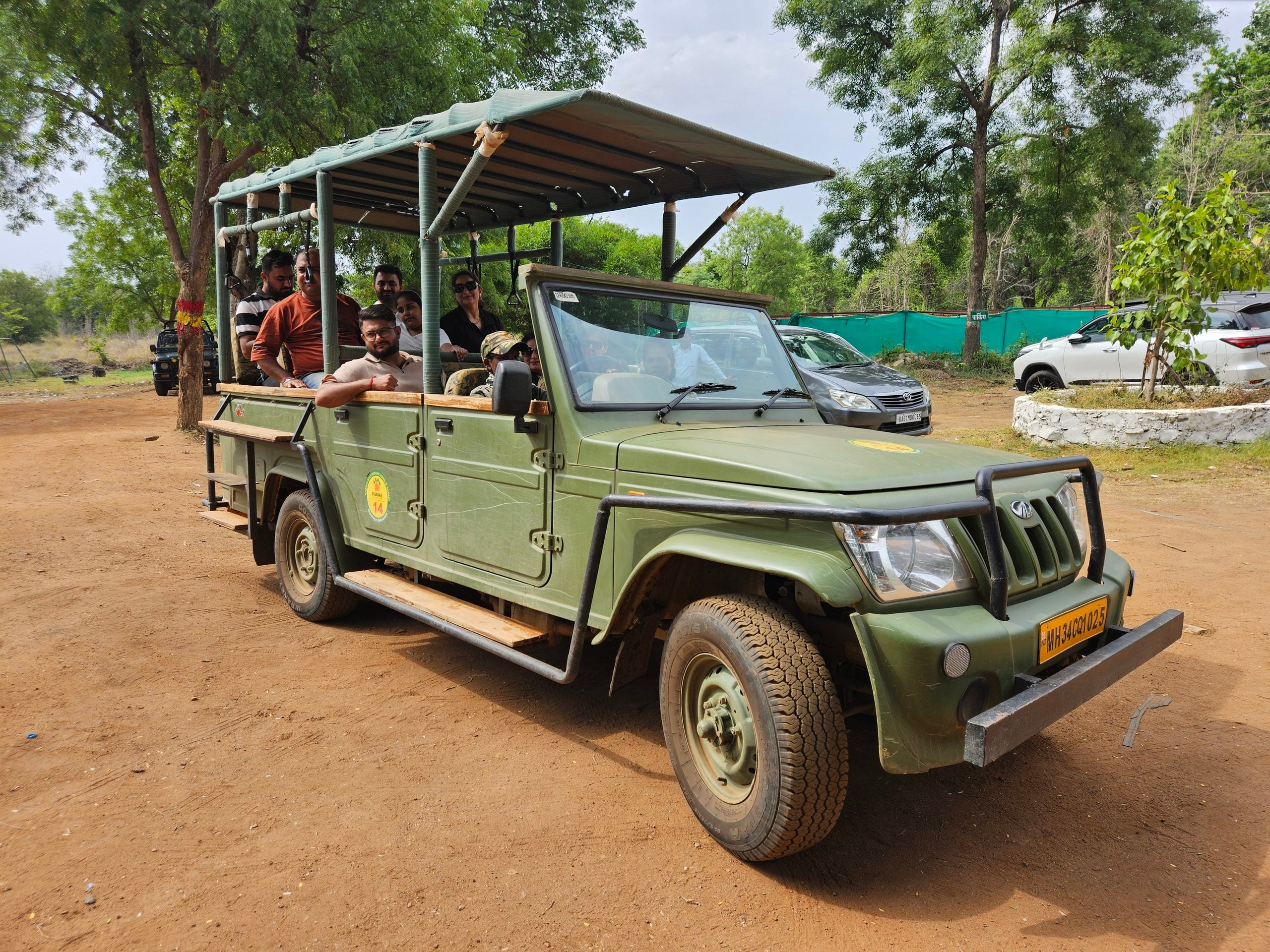
Procurement and modification: After approval, Mahindra Bolero Camper 4WD vehicles were purchased through the Government e-Marketplace (GeM) portal. In coordination with the Forest Department, the vehicles were modified into 9-seater safari vehicles, following the prescribed colour and design of TATR safari vehicles. Since most safari vehicles at Tadoba are 6-seaters, the 9-seater format has proved more attractive and economical for tourists, especially families and groups.
Making operations functional: The women were trained through RSETI, permissions for operation were obtained from the Forest Department, and bookings were linked to the Forest Department’s booking system. The vehicles began operating from the Karwa gate in February 2026.
4. Eight women were trained as four-wheeler drivers through RSETI Chandrapur. What kind of training did they receive, and how did they adapt to a completely new profession?
Under RSETI rules, an SHG woman can take a training programme only once. Keeping this in mind, we carefully identified eight women who were willing to learn a new skill and ready to begin an entrepreneurial journey. The training was for one month. In the first two weeks, the women received basic four-wheeler driving training.
After that, they trained on the safari vehicles themselves. On the special request of the Chief Executive Officer, Zilla Parishad, the women were also trained on the actual safari routes on the weekly safari-closure day so that they became familiar with the routes they would drive and the way to guide tourists.
An important source of confidence was that a few women from nearby Karwa village were already working as drivers and guides after training by the Forest Department. They became role models and showed that this work was possible for local women. Regular follow-up meetings and interactions with the drivers and guides also helped build their communication skills and confidence. Becoming professional drivers was not easy for them, but it has been an inspiring journey.
5. What were the biggest challenges in getting women to take up driving safari vehicles? Did you face any social resistance from families or the local community?
Yes. Driving is still seen as a male profession in rural areas, and there was some stigma attached to women taking it up. The women faced questions and hesitation from their families and the community, and they overcame these with grace and confidence. Wearing the prescribed uniform was compulsory, and they accepted this as part of their professional identity.
Another challenge was managing an enterprise of this size. The Cluster Level Federation now handles substantial amounts of money, and financial literacy support has helped the women manage it confidently. Today, the same women who faced resistance are inspiring other women in their villages to become financially independent.
6. The vehicles were procured under PMKKKY, with a 10% contribution from the women’s CLF. How does this ownership and revenue model work? How are the earnings distributed?
PMKKKY is a scheme under which District Mineral Foundation (mining) funds are used for the welfare of mining-affected areas. The vehicles were funded under the Zilla Parishad’s innovative scheme component. A 10% contribution was taken from the CLF to ensure a sense of ownership and responsibility among the SHG women, moving them from welfare dependence to active asset ownership.
Ownership: The vehicles are registered in the name of Zilla Parishad Chandrapur, while the rights of use, management and operation have been given to the CLF. Permission from the Forest Department was obtained, and since the members belong to a forest-dependent community, their right to local employment was given due consideration.
Revenue flow: Bookings are made through the Forest Department’s online portal or through on-spot registration. The safari earnings are transferred directly to the CLF’s bank account. The 10% contribution paid by the CLF will be reimbursed to it.
Expenses and earnings: The CLF bears the cost of vehicle maintenance and fuel. The women drivers and guides earn from the operations, and the profit remains with the CLF. The CLF is already planning to use its profits to buy an additional vehicle, which shows how the enterprise has become a self-sustaining livelihood and entrepreneurship model.
7. What has been the financial performance so far in terms of revenue, expenditure, net income and individual earnings of the women?
The safari vehicles commenced operations in February 2026. After overcoming initial operational challenges, the enterprise demonstrated steady financial growth during its initial months of operation.
The net profit recorded during the first three months of financial tracking was as follows:
● March 2026: ₹63,000
● April 2026: ₹67,350
● May 2026: ₹97,000
Total net profit (March–May 2026): ₹2,27,350, with an average monthly net profit of approximately ₹75,783. The enterprise recorded an approximately 54% increase in monthly net profit between March and May 2026, indicating a positive growth trend.
However, from June to August 2026, safari operations were temporarily closed due to monsoon rainfall and the seasonal closure of the safari gates. Operations resumed in September 2026 and have continued thereafter. The initial financial performance reflects the enterprise’s potential to generate income and create livelihood opportunities for women from the local community through safari-based tourism.
8. Beyond financial independence, what changes have you observed in the confidence, social standing and decision-making abilities of these women?
The change in the women’s confidence is clearly visible. Women who had never driven a vehicle now drive safari vehicles inside a tiger reserve and interact with tourists from across the country as guides. This has improved their communication skills and self-belief. Their social standing has also changed.
The same families and community members who were hesitant at first now see them as earning members and role models, and other women in the area have started showing interest in similar work. Through the CLF, the women take decisions on bookings, maintenance, finances and future investment such as buying a new vehicle, which has strengthened their decision-making and leadership abilities.
9. How can this initiative benefit local communities while also strengthening community participation in tourism and conservation around Tadoba?
The initiative keeps tourism revenue within the local community instead of it flowing out to operators from outside. Because the enterprise is owned and run by the CLF, its benefits reach a wider group of SHG members and not just the individual drivers.
It also links livelihoods to conservation. When forest-fringe communities earn from wildlife tourism, they gain a direct stake in protecting the forest and its wildlife, helping build better relations between the community and the Forest Department. Local women, with their knowledge of the area, also add authenticity to the visitor experience. The initiative shows how eco-tourism, women’s empowerment and rural development can come together to create lasting impact.
10. You are planning to replicate this model across other safari gates. What are the next steps, and what would it take for other districts to implement a similar initiative?
Encouraged by the success of the Karwa Gate initiative, we are now exploring the replication of this SHG-led eco-tourism model at other safari gates of the Tadoba-Andhari Tiger Reserve through the deployment of two additional safari vehicles. Khutwanda and Alizanza gates have been identified as potential locations.
We have also identified interested CLFs who will be contributing 40% of the cost; this increased contribution highlights optimism and interest in women. We are in the process of obtaining funding and necessary approvals. In parallel, we are facilitating the training of additional women through RSETI to build the capacity required for expanding the initiative.
For other gates, the key requirements are:
• A tourism or wildlife destination with steady visitor demand and scope for local operators
• Funding support such as PMKKKY / District Mineral Foundation funds or other convergence schemes
• An active, financially capable woman’s CLF willing to make a contribution and take ownership
• Close coordination with the Forest Department or the concerned tourism authority
• Skill training through RSETI or similar institutions, along with financial literacy and regular handholding by the district administration and MSRLM
With these elements in place, the model can serve as a repeatable blueprint for community-operated eco-tourism in other districts.
11. Is there a particular woman among the eight beneficiaries whose journey or transformation has stayed with you and best represents the impact of this initiative?
Ashwini Kusram’s journey is a strong example of how this initiative has transformed women’s lives beyond financial independence. Ashwini has been working as a safari guide for the past five years and received her initial training at the Botanical Garden.
She is a 12th-pass woman who previously worked with the Magic Bus Foundation, earning approximately ₹7,000 per month. Before joining this initiative, her family’s total monthly income was around ₹15,000–16,000. Today, through her involvement in the safari tourism initiative, Ashwini earns approximately ₹18,000–20,000 per month independently. This has significantly improved her financial contribution to the family.
However, her transformation goes beyond income. She has developed greater confidence and improved communication skills and the courage to take on new responsibilities. She has also learned English to interact with tourists and communicate more effectively. Her role in family decision-making has strengthened considerably.
With her earnings, she has purchased her own mobile phone and contributed financially towards the construction of her family home. Ashwini’s journey reflects the real impact of this initiative – from providing women with an independent source of livelihood to building their confidence, dignity, decision-making abilities and a stronger role within their families.
Conclusion
The Karwa Safari Gate Vehicle Initiative demonstrates how rural women can build independent livelihoods through community ownership, skill development and institutional support. Beyond generating income, the initiative has strengthened their confidence, decision-making abilities and role within their families. With plans to expand the model to other safari gates, it offers a replicable approach to women’s empowerment and conservation-led rural development.