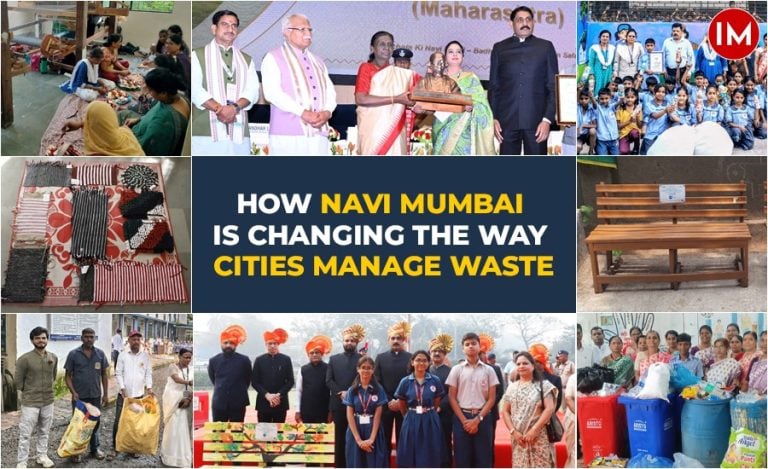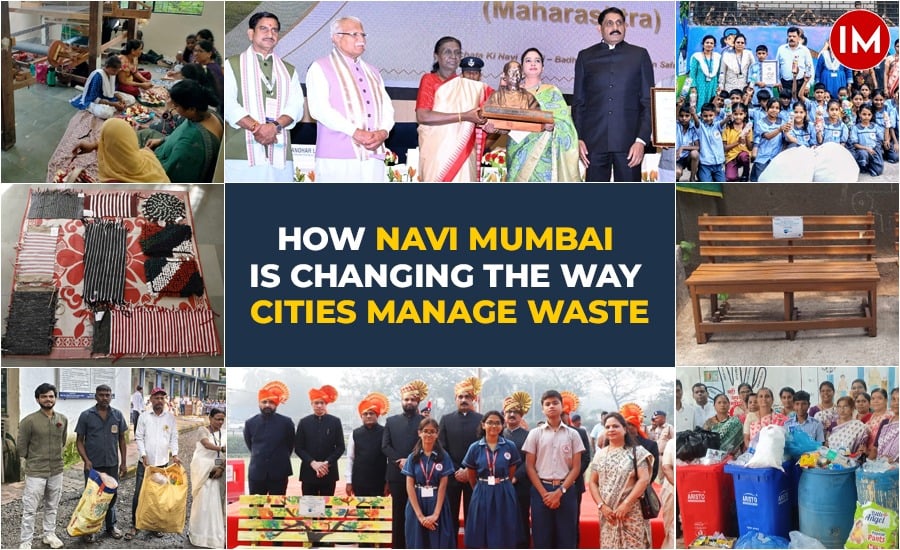
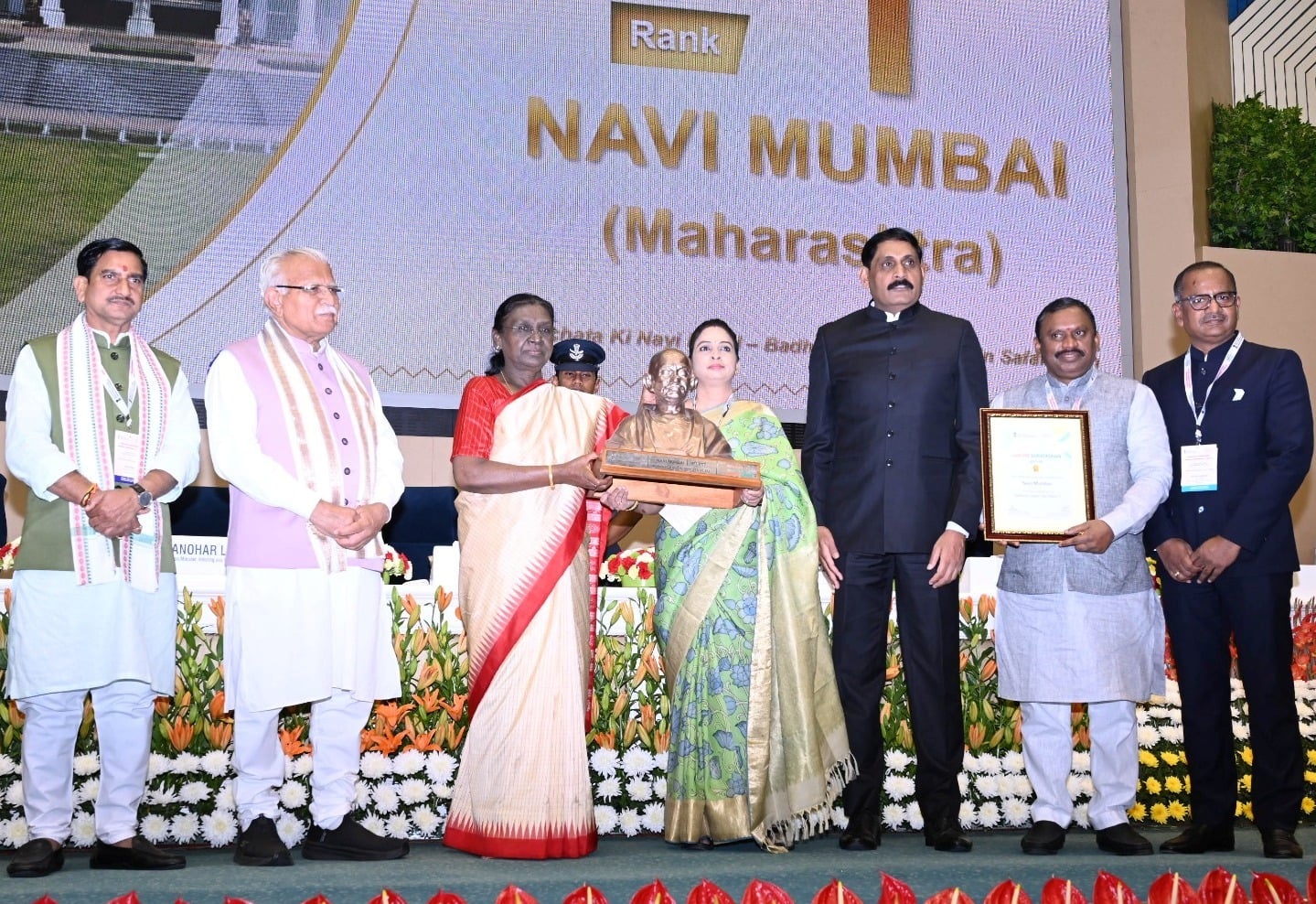
Navi Mumbai’s journey to the top of the Super Swachh League category at the Swachh Survekshan Awards 2025–26 has been a gradual process of improving systems, identifying gaps and making cleanliness a year-round administrative priority.
The city, which had secured the third position for three consecutive years, has now moved to the top of the special category comprising India’s consistently high-performing urban local bodies. The achievement reflects an approach that goes beyond regular sweeping and garbage collection, bringing together technology-driven monitoring, waste processing, public participation and the welfare of sanitation workers.
Leading this effort is IAS officer Dr Kailas Shinde, the 2013-batch Maharashtra cadre officer and Municipal Commissioner of Navi Mumbai.
Explaining the city’s journey, Dr Shinde points out that its performance has improved through sustained efforts under the Swachh Bharat Mission (Urban), which began a decade ago.
“If you look at the Swachh Bharat Mission campaign specific to urban areas, it began a decade ago. We also started then, and by 2019 we reached the seventh spot,” he told Indian Masterminds.
In the subsequent years, Navi Mumbai continued to improve its position. It secured fourth place in 2020–21 and remained at third place for three consecutive years from 2022 to 2024.
The introduction of the Super Swachh League, however, brought a new dimension to the competition.
From Third Position to the Super Swachh League’s Top Spot
The Ministry of Housing and Urban Affairs introduced the Super Swachh League to recognise cities that had consistently performed above the prescribed cleanliness standards.
The idea was to create a separate category for these cities, allowing other urban local bodies to compete for rankings without repeatedly facing the same high-performing cities.
Navi Mumbai joined this category alongside Ahmedabad, Surat and Mumbai, with Vijayawada also subsequently becoming part of the group.
While the cities were recognised without individual rankings in the previous edition, the 2025–26 assessment introduced competition within the league itself.
For Navi Mumbai, this meant moving beyond maintaining its existing performance and demonstrating improvement across multiple parameters.
Dr Shinde explains that the assessment covers nearly 10 major verticals and involves a total of 10,000 points. The evaluation cycle generally runs from June to May or June of the following year.
“It is not a 15-day campaign. The entire year is monitored, and cleanliness has to be maintained continuously,” he says.
GPS Tracking, Daily Sweeping and Technology-Driven Waste Collection
One of Navi Mumbai’s major administrative interventions has been strengthening its everyday sanitation operations through technology and area-specific planning.
Visual cleanliness remains among the most important assessment parameters. The city follows different sweeping schedules depending on the nature and density of an area.
Less frequented public spaces are cleaned early in the morning, generally between 6 am and 9 am. Commercial areas receive sweeping twice a day, while roads with heavy traffic are serviced using mechanical sweepers.
The administration has also integrated geospatial technology into waste collection and transportation.
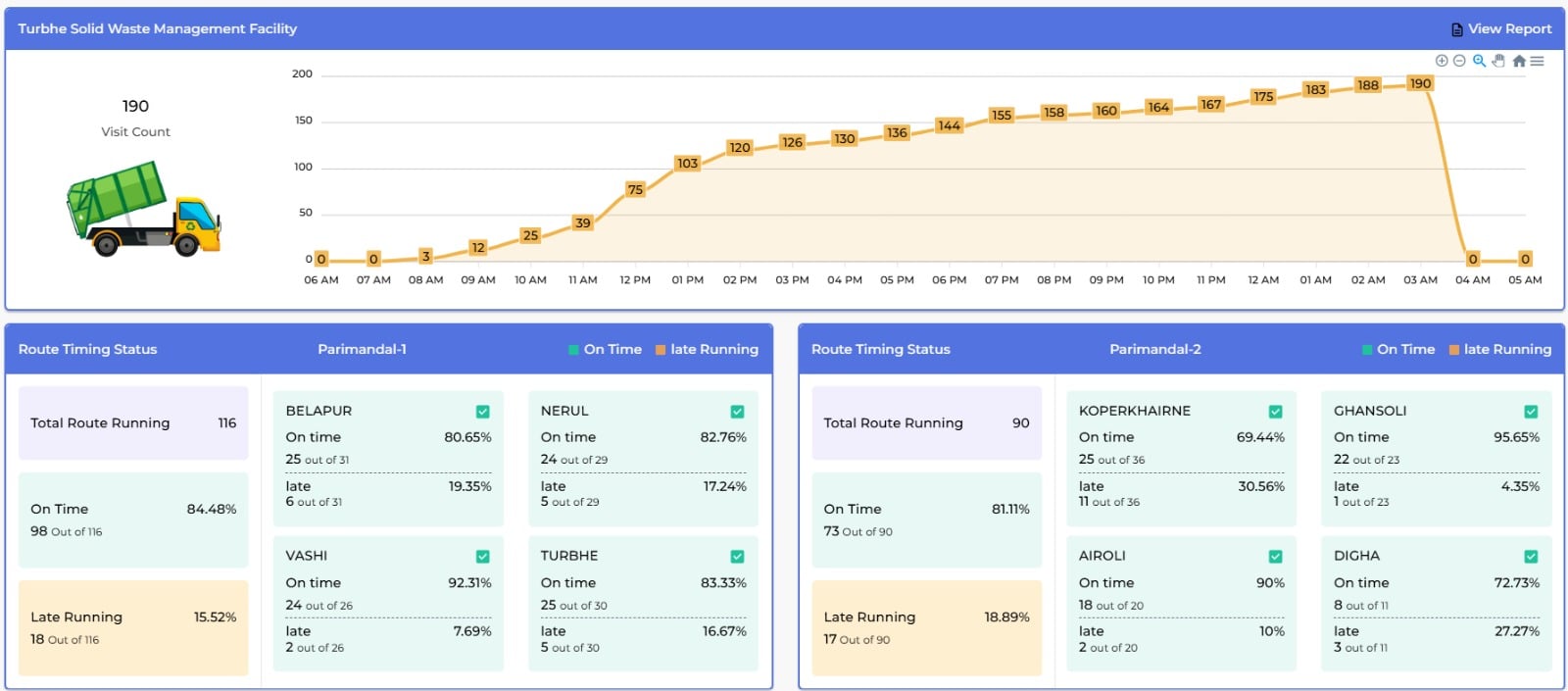
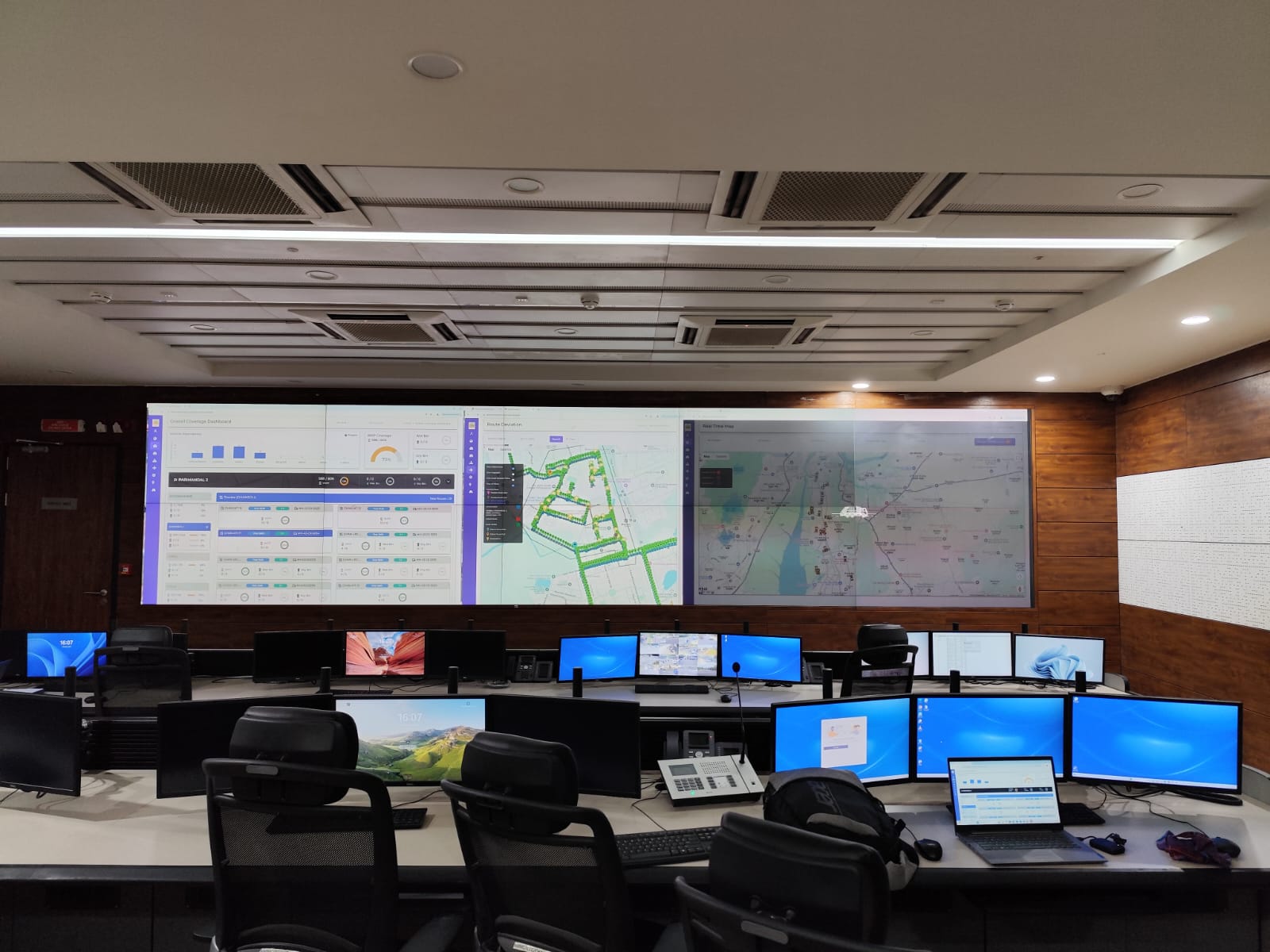
Waste collection vehicles are geotagged, their routes are mapped, and each vehicle is assigned a designated route. The system allows officials to monitor vehicle movement and collection activities, much like fleet-tracking applications used by private companies.
Bins are also geotagged and barcoded. Whenever waste is collected, details of the quantity and category of waste lifted are recorded in real time.
Daily weighing and collection data are monitored through Integrated Command and Control Centre (ICCC) dashboards.
However, the administration does not follow a uniform collection model across the city. Older villages, slums, housing societies, commercial establishments and markets have different requirements.
In older village settlements with narrow lanes, smaller vehicles are deployed, and waste is collected three to four times a day. This allows the system to function even where large garbage collection vehicles cannot enter.
Textile Recovery, RDF and Scientific Waste Processing
Navi Mumbai has also focused on reducing the amount of waste reaching landfills by creating separate recovery and processing systems.
Segregation begins at the household level, with the primary emphasis on separating wet and dry waste. The city also collects hazardous waste and electronic waste.
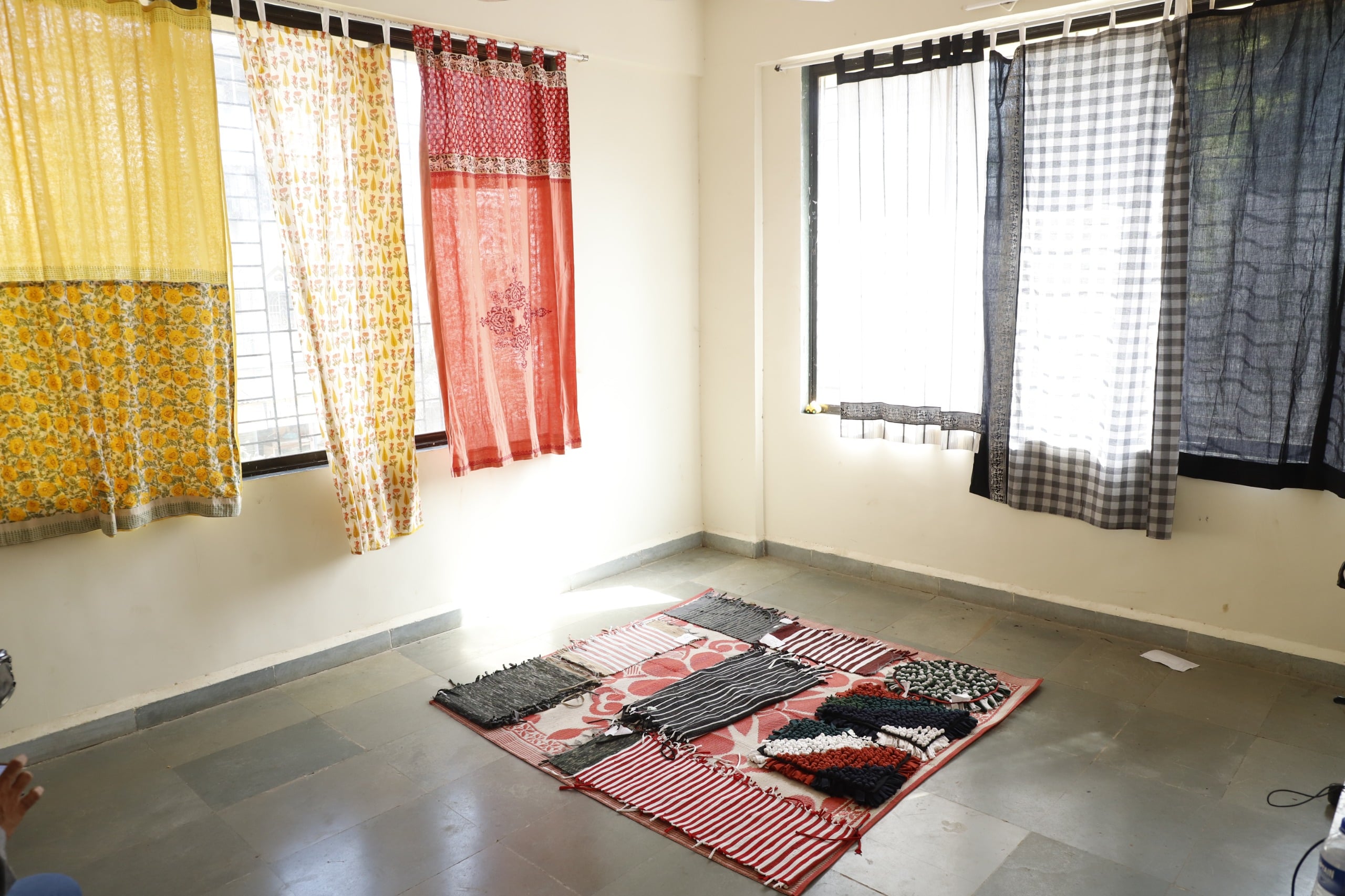
One of its distinctive initiatives is separate textile recovery.
“We are the only city collecting textiles separately. Last year, we collected 40 tonnes of used clothes, which otherwise would have gone to the landfill. These clothes are upcycled and recycled with the support of NGOs,” Dr Shinde explains.
At the processing stage, wet waste is converted into compost, while dry waste is processed into Refuse-Derived Fuel (RDF), which is primarily supplied to cement factories in Gujarat.
The city also recovers coconut husk for coir production and converts green waste into soil.
Construction and demolition (C&D) waste is processed separately. Recovered aggregates are reused in construction, while fine dust is converted into bricks. Their use in non-structural construction elements, including boundary walls and flooring, is made compulsory.
Another major focus is leachate management, ensuring that contaminated liquid generated at waste disposal sites does not flow outside the designated premises.
The administration is now working towards its next objective: a zero-waste dumpsite where no waste needs to be sent for disposal.
More Than 300 Women Help Create Zero-Waste Slums
While technology has strengthened waste management operations, Navi Mumbai has also invested in community participation.
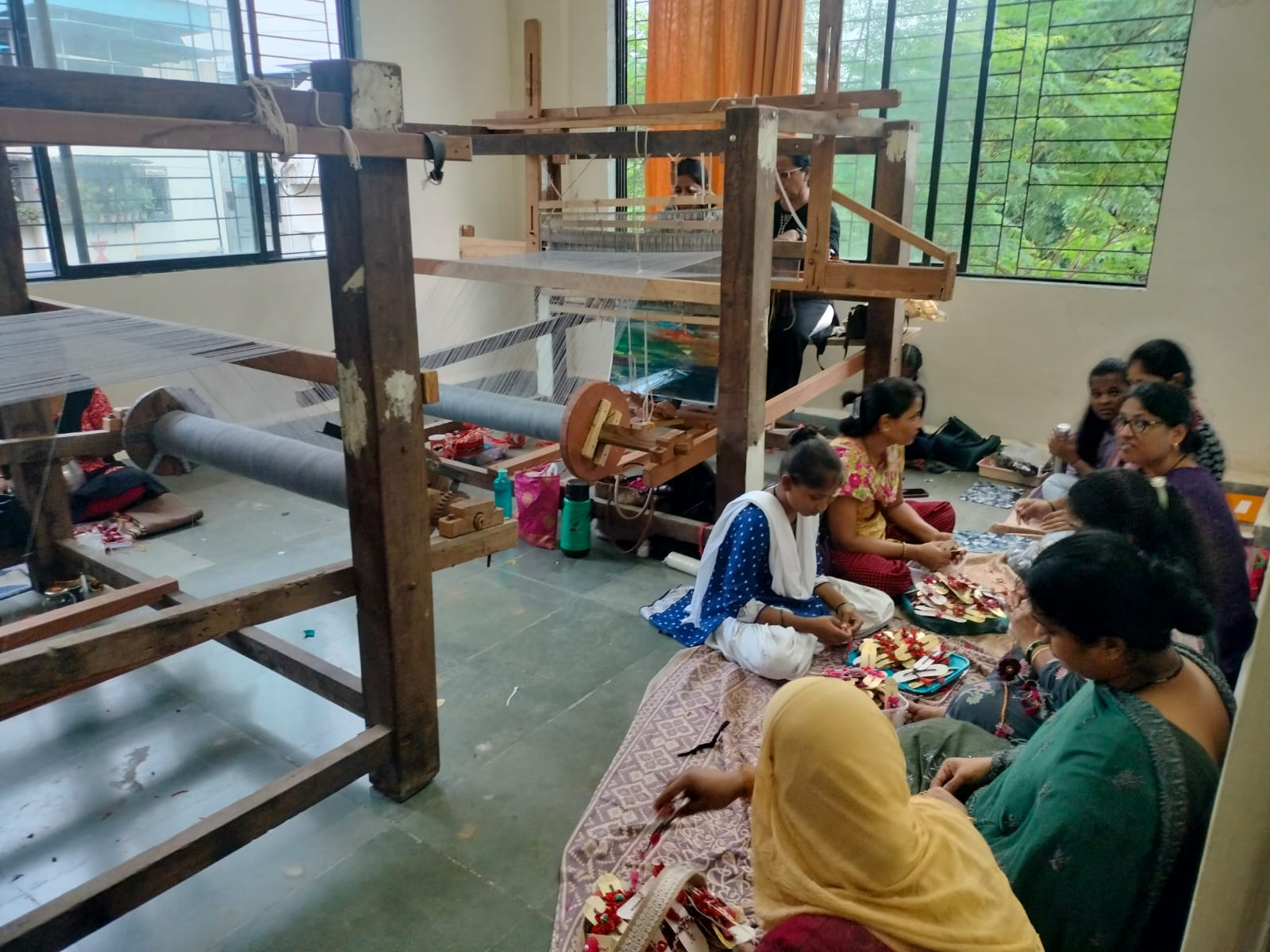
One of its notable models involves Parisar Sakhis, women from slum communities who manage waste collection and segregation within their neighbourhoods.
More than 300 women are involved in this initiative, helping create zero-waste models across slum areas and ensuring that waste is handled at its source.
The Municipal Corporation has also engaged schools, markets, housing societies, developers, builder associations and non-governmental organisations, including Rotary, Project Mumbai and others.
The city has extended community participation to its mangrove ecosystems as well. Working with the Mangrove Protection Cell and NGOs, it organises weekly cleanup drives in which 20 to 300 volunteers participate. Plastic, bottles, rubber waste and discarded footwear are removed from mangrove areas.
Dr Shinde believes that maintaining cleanliness requires different approaches for different communities and locations rather than relying on a single citywide model.
Safai Mitra Welfare and Stronger Citizen Grievance Systems
Another important area of intervention has been the welfare of Safai Mitras, who form the backbone of the city’s sanitation operations.
All sanitation workers are covered under insurance schemes and receive regular health check-ups. The Municipal Corporation has also arranged free medicines through its hospitals for workers and their families, eliminating prescription-related costs.
The administration has simultaneously strengthened its complaint resolution mechanism.
Earlier, grievance redressal was an area where the city needed improvement. It has now introduced an online system through which citizens can register complaints using an app, website or chatbot. Complaints are tracked and followed up by the concerned departments.
The city has also started imposing penalties and fines for sanitation-related violations.
With more than 650 community and public toilets under comprehensive management contracts and daily monitoring, the administration has also focused on improving public toilet access and maintenance. Navi Mumbai additionally has an installed sewage treatment capacity of 450 million litres per day (MLD).
Moving Towards Four-Stream Segregation and Waste-to-Energy
Despite securing the top position, Navi Mumbai is already preparing for the next phase of its waste management strategy.
The city is transitioning from two-stream segregation to a four-stream system, bringing hazardous and special waste into a more structured household-level segregation process. The Municipal Corporation will provide the required bins to housing societies.
The revised Solid Waste Management Rules, applicable from April 2026, have also introduced greater responsibilities for bulk waste generators.
According to Dr Shinde, Navi Mumbai has identified more than 1,000 such generators under the revised criteria, compared with approximately 35–36 under the earlier definition. These establishments will be registered on the Central Pollution Control Board (CPCB) portal and monitored.
For establishments that lack space for on-site processing, the Corporation is working on a system under which they can enter into agreements, pay applicable fees and have their waste processed centrally.
The city has also awarded work for an integrated waste management project on a Public-Private Partnership (PPP) basis.
Under the proposed system, wet waste will be converted into Compressed Biogas (CBG), while dry waste will be processed through a waste-to-energy facility with an anticipated generation capacity of 27 MW.
The project also proposes capturing waste heat and supplying it to nearby data centres for cooling. Green waste will be converted into biochar, while leachate treatment capacity will be increased from 50 kilolitres to 250 kilolitres.
Additionally, 25,000–30,000 trees have been planted around the waste processing sites as a protective green belt.
For Dr Shinde, the recognition is an outcome of strengthening every link in the city’s sanitation system, from household segregation and collection to scientific processing, public accountability and worker welfare.
“Visible cleanliness is a daily activity. If it gets delayed even by a couple of hours, citizens start posting pictures on social media. We have to ensure that the system functions every day,” Dr Kailas Shinde, IAS says.
Navi Mumbai’s rise to the top of the Super Swachh League demonstrates how urban cleanliness requires more than periodic drives or infrastructure investments. It depends on consistent monitoring, accountable administration, community involvement and systems that can sustain results throughout the year.
The city’s next challenge is to ensure that its waste management chain becomes increasingly circular, with less waste reaching disposal sites and more resources recovered, reused and converted into energy.