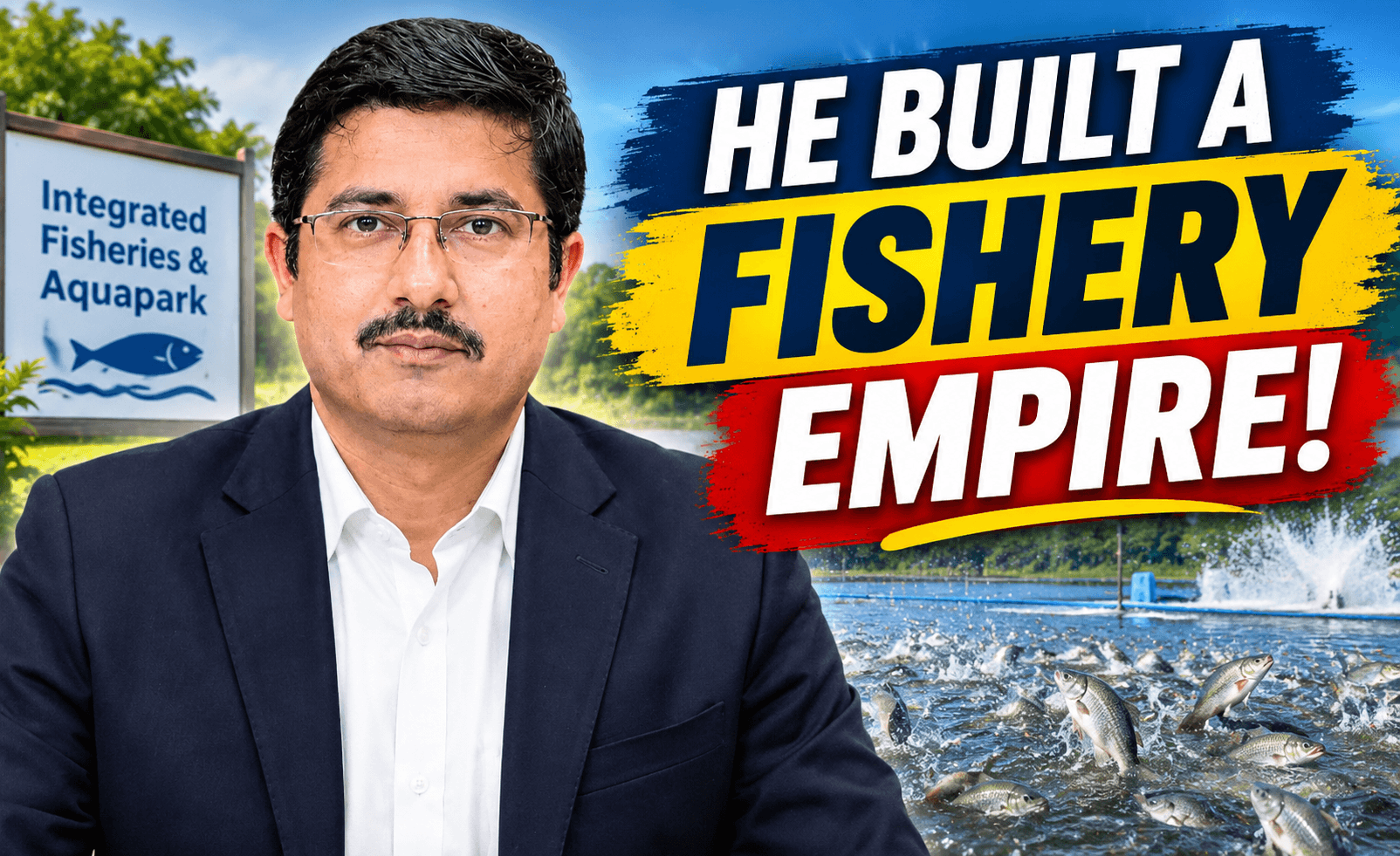
In Roshani village of Madhya Pradesh’s Khandwa district, the sound of opportunity is beginning to emerge from an unlikely place: the backwaters of a dam. Here, fish cages float across the water, modern aquaculture tanks are taking shape, and a group of tribal women are preparing to take charge of an enterprise with an estimated annual turnover potential of ₹3.5 crore.
For these women, this is about much more than fish farming. It is about moving beyond daily-wage labour, taking ownership of a business and building livelihoods that do not require families to leave their villages in search of work.
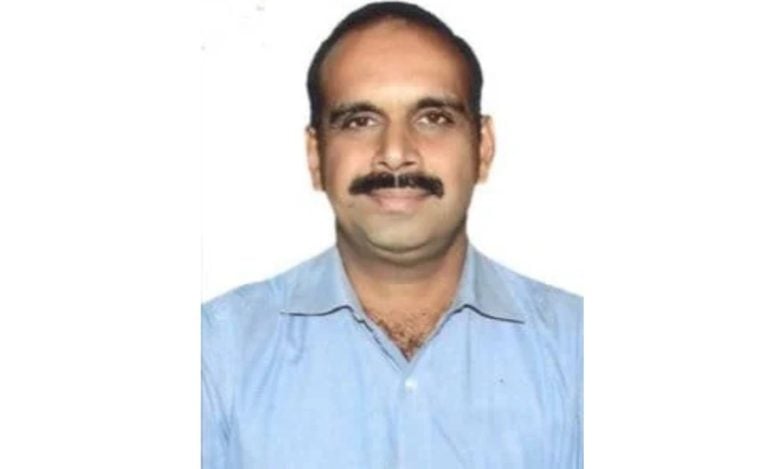
Behind this ambitious transformation is Project Roshani, an integrated rural development initiative being implemented under the guidance of Khandwa Collector IAS Rishav Gupta, a 2014-batch Madhya Pradesh cadre officer, who shared details about the project, exclusively, with Indian Masterminds.
Also read: How IAS Rishav Gupta Turned a Cracked Riverbed Into a Water Lifeline
From Fragmented Resources to a ₹3.5-Crore Enterprise
Khalwa block is predominantly tribal, with rain-fed agriculture, limited local employment and seasonal migration shaping the lives of many households. Despite having water bodies, livestock resources and women’s Self Help Groups, these assets had largely operated independently.
Project Roshani set out to change that.
Its first phase created the foundation through natural farming, livestock management, horticulture and SHG mobilisation. A gaushala housing around 300 cows, including 12 Gir cows used for milk production, became part of the village’s economic ecosystem.
Cow dung and urine are converted into biogas, Gocast, vermicompost and Jeevamruth. The organic inputs support cultivation while also being sold commercially. Alongside this, 3,000 fruit-bearing trees, four acres of floriculture and an on-site Poshan Vatika were developed.
Two SHGs now earn approximately ₹1.5 lakh monthly through these activities: around ₹1 lakh from milk, ₹20,000 from vermicompost and Jeevamruth, and ₹30,000 from supplying biogas and vegetables to the Eklavya school hostel. The gaushala, once dependent on government assistance, has become a revenue-generating enterprise.
But the bigger economic transformation was planned for Phase II.
Four Fisheries Technologies, One Integrated Aquapark
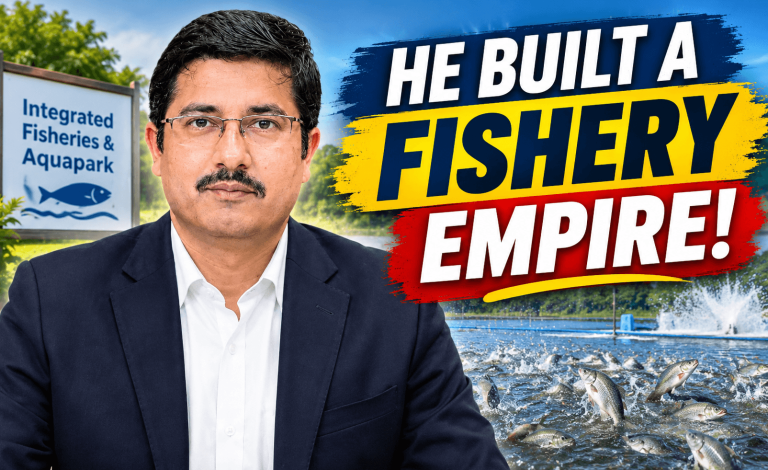
Spread across approximately 10 acres within Project Roshani’s larger 50-acre footprint, the Aquapark brings four different fish-production systems together.
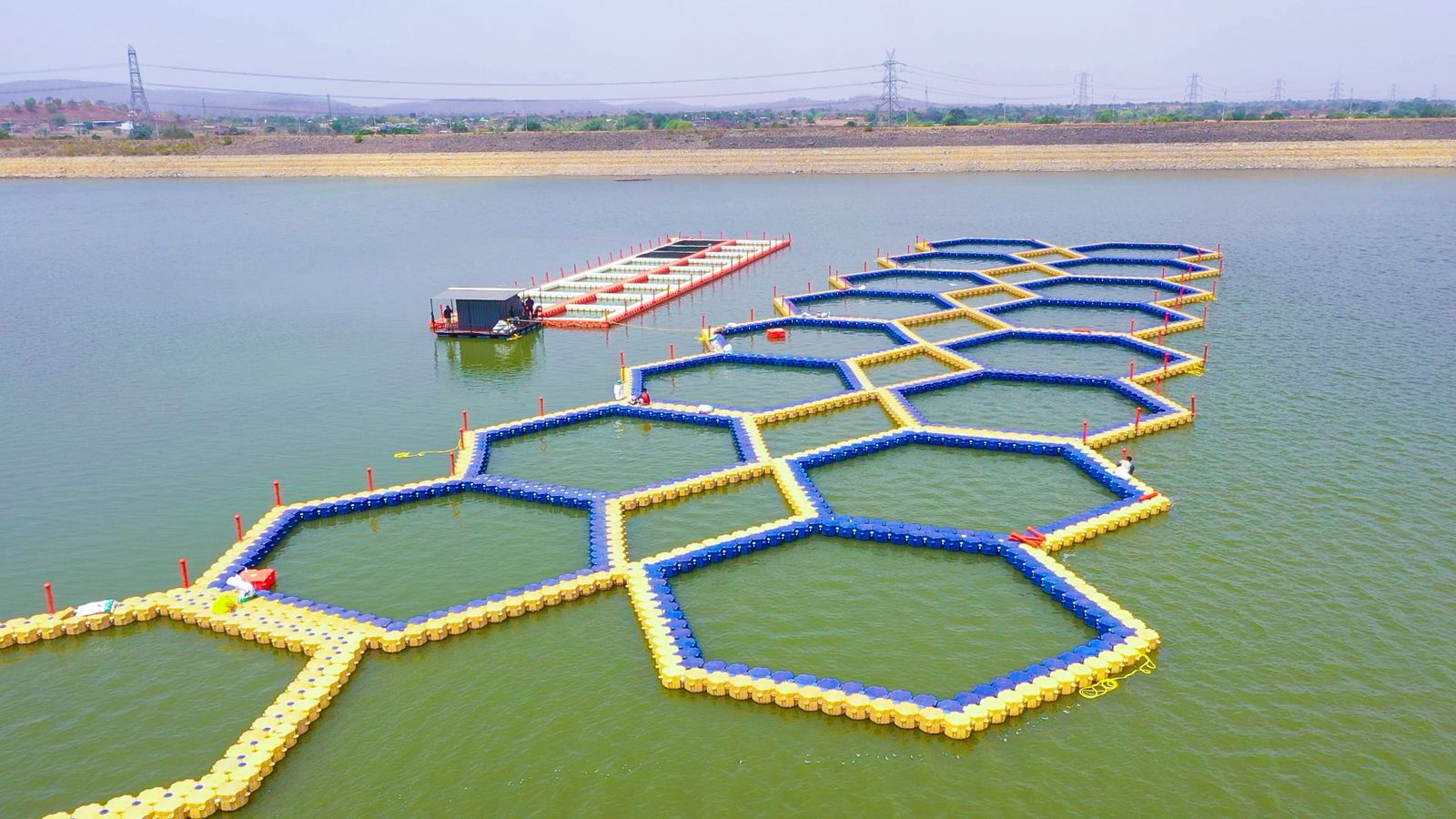
Around 114 modern cages, with a combined capacity of 1,200 cubic metres, have been installed in the Awaliya Dam backwaters for Pangasius cultivation, with an estimated production of 240–250 tonnes in an eight-month cycle.
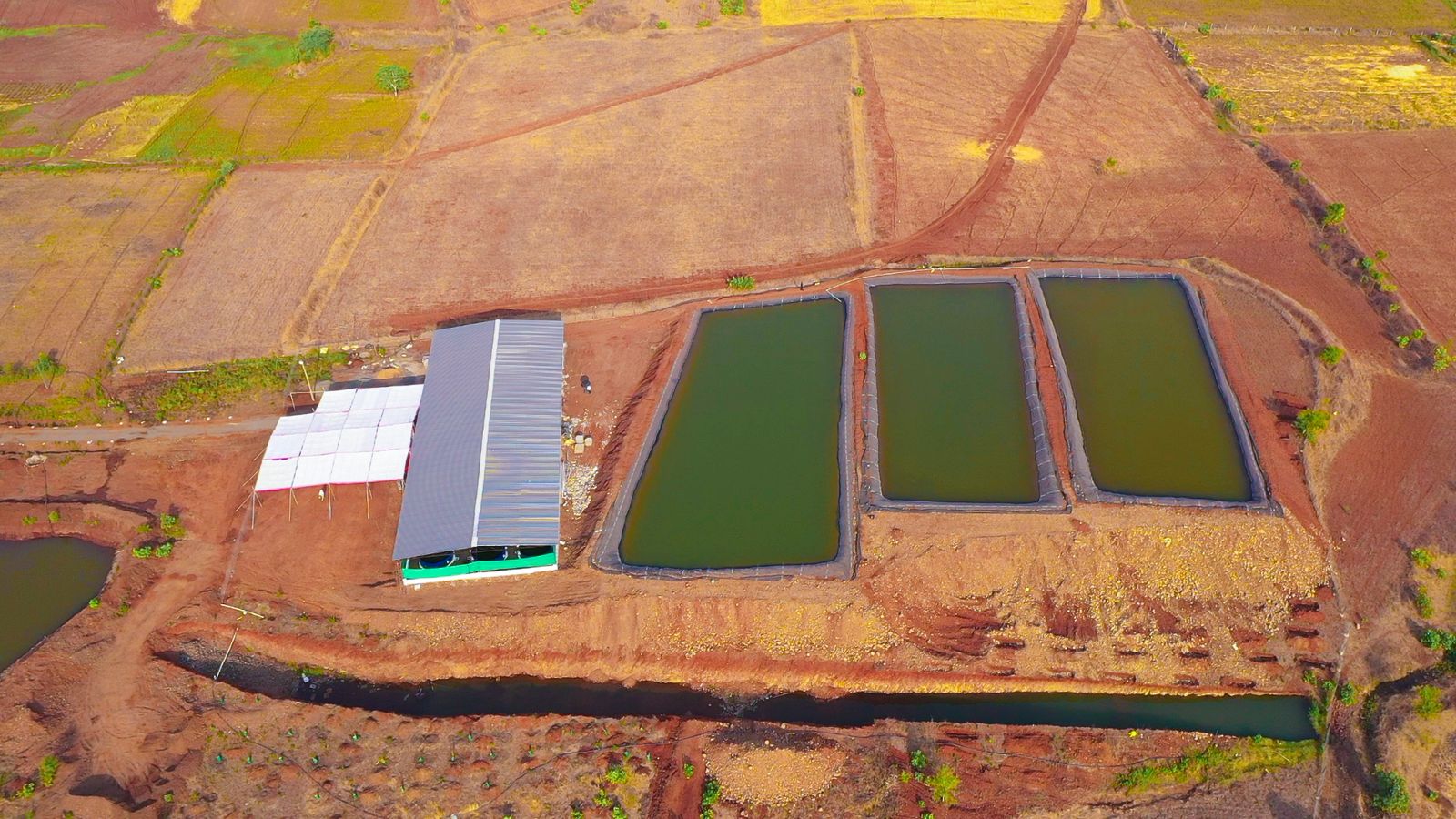
The second component comprises 14 biofloc containers and three large biofloc ponds for Tilapia, with an estimated output of 20 tonnes. Six Recirculatory Aquaculture System (RAS) tanks provide controlled water conditions for high-value species such as Murrel and freshwater pomfret, with an estimated four tonnes of production.
Traditional farm ponds are being used for Rohu and Catla, with an estimated 10 tonnes per cycle. Prawn cultivation is also planned for the next season.
Together, the systems have an estimated annual production potential of around 350 tonnes, with approximately 240–260 tonnes projected over an eight-month cycle after accounting for mortality.
The initiative has been developed through convergence involving NITI Aayog’s Aspirational District Programme innovation window, MGNREGA, NRLM/SRLM, Fisheries Department schemes, Panchayat funds and CSR support.
As Gupta’s administrative approach suggests, rural development cannot end with creating infrastructure; the real test is whether communities can turn those assets into sustainable businesses.
150 Women Move Towards Enterprise Ownership
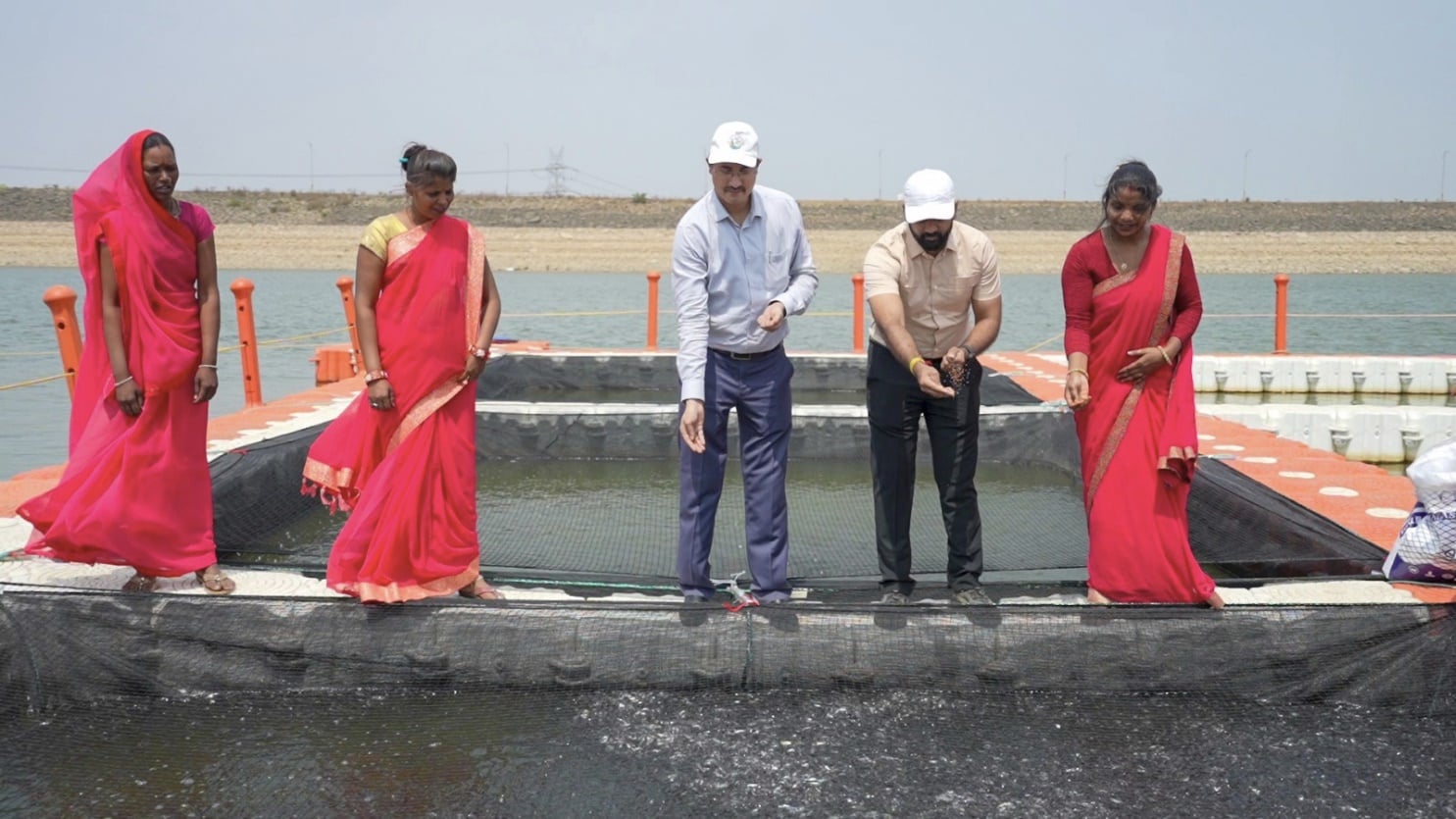
The Aquapark is owned and operated by 14 tribal women’s SHGs comprising approximately 150 members.
Importantly, these women are not being positioned merely as workers. They are being trained in fish feeding, water-quality monitoring, disease management, harvesting, bookkeeping, bank linkages, enterprise governance and market operations.
A Fish Farmer Producer Organisation (FFPO) has already been formally registered, ahead of its original July 2026 target. It will facilitate collective procurement, production aggregation, branding, market negotiations and organised sales, strengthening women’s bargaining power.
Technical handholding is being provided through a non-financial MoU with the Aga Khan organisation, while the Fisheries Department and NRLM teams monitor implementation. Aga Khan has also been involved in external evaluation.
Ten fish parlours have been sanctioned at high-demand panchayats across the district and are being handed over to other SHGs. These groups will source fish through the FFPO, creating a connected production and retail network.
The projected annual revenue is approximately ₹3.5 crore, with an indicative gross earning potential of ₹2 lakh per woman annually. After reinvesting around 75 per cent of gross income into subsequent production cycles, the estimated distributable surplus could be around ₹50,000 per woman annually. These remain projections, as the first production and harvest cycle is still underway.
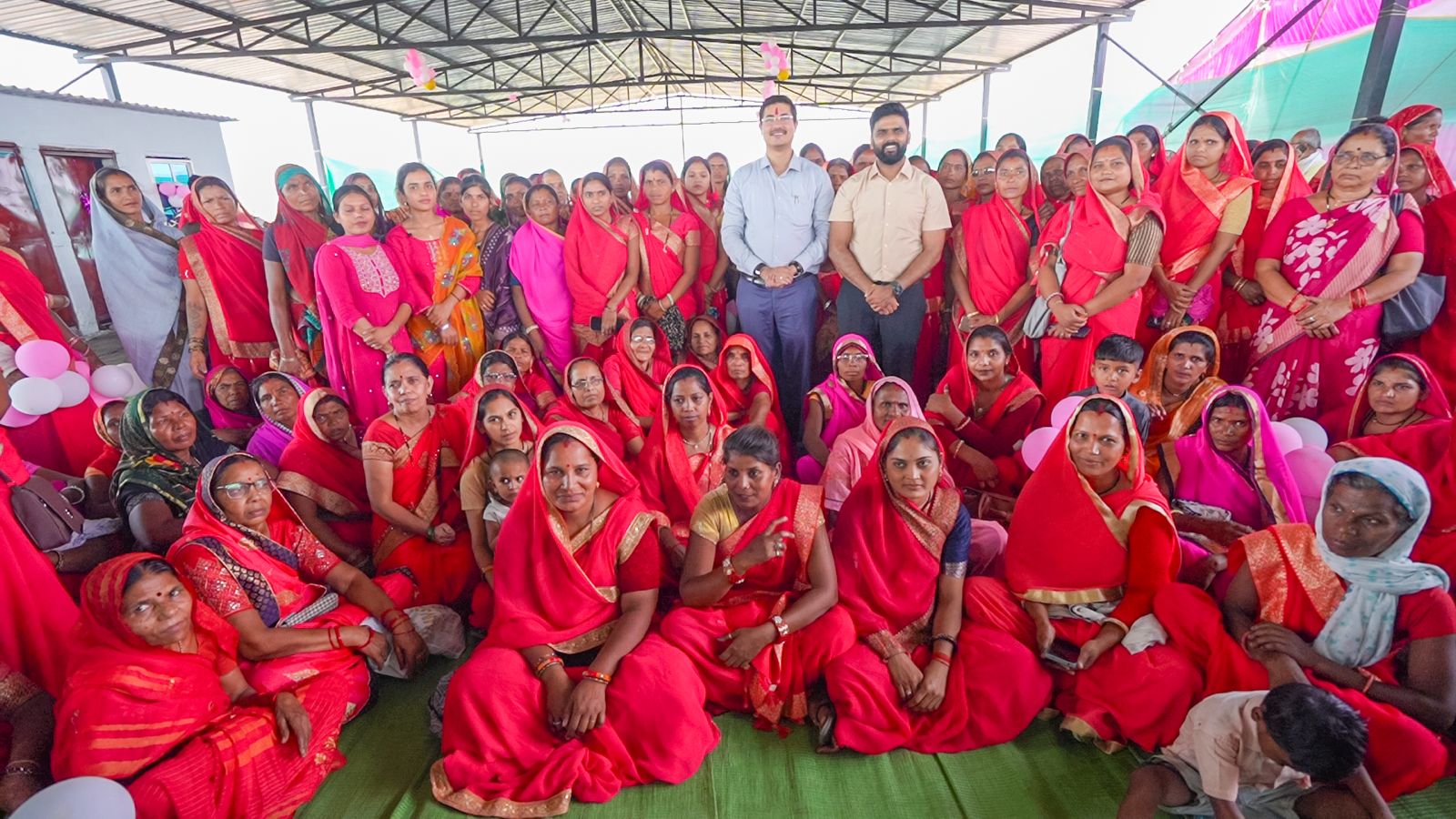
A Model That Goes Beyond Fisheries
The physical transformation is equally striking. Aerial photographs from May 2025 show largely undeveloped land adjoining the dam. By May 2026, the landscape features fish cages, biofloc and RAS infrastructure, plantations, horticulture and training facilities.
The larger idea is circular: livestock generates organic inputs, farming supports nutrition and income, and nutrient-rich water and fish waste can support horticulture. Public investments across departments are brought together to create one functioning village economy.
Gupta’s approach rests on a simple but important principle: “Government schemes should not remain isolated investments. Their real value emerges when they work together to create an enterprise that communities can own, operate and sustain.”
The administration also sees the model as replicable in other tribal and aspirational districts with suitable water resources and SHG networks. Its potential extends beyond the 150 women directly involved, with an ambition to transform more than 200 women across the district into Lakhpati Didis.
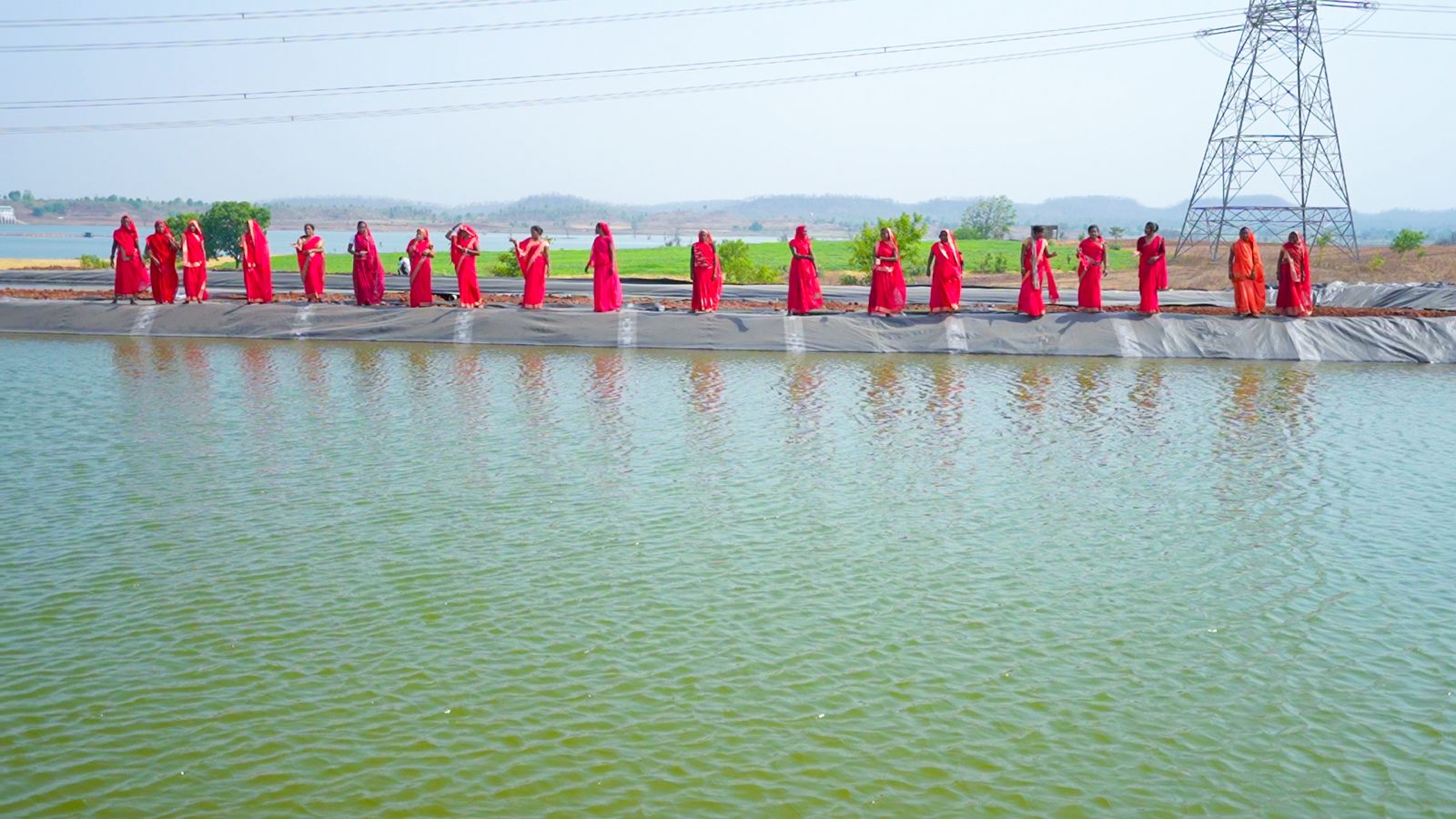
For Gupta, the larger measure of success is not merely the number of fish produced or revenue generated. “Our objective is to move women from participation in government schemes to ownership of productive assets and decision-making within an enterprise. When women control the economics of a livelihood, the impact reaches the entire household,” he shared with Indian Masterminds
Climate variability, including El Niño-related disruptions, makes diversified rural livelihoods particularly important in rain-fed regions like Khalwa. By combining fisheries, livestock, horticulture and natural farming, Project Roshani seeks to reduce dependence on a single source of income.
And perhaps that is the most significant change underway in Roshani. The women who once looked for work wherever it was available are now preparing to build a business rooted in their own village. The ambition is no longer simply to find employment. It is to own the opportunity.
Also read: How IAS Ravindra Kumar Put Azamgarh at the Top in UP’s CM Yuva Scheme, Helping 6,745 Young Entrepreneurs