For decades, the sound that haunted Assam’s forests was not the call of wildlife but the crack of a poacher’s gun.
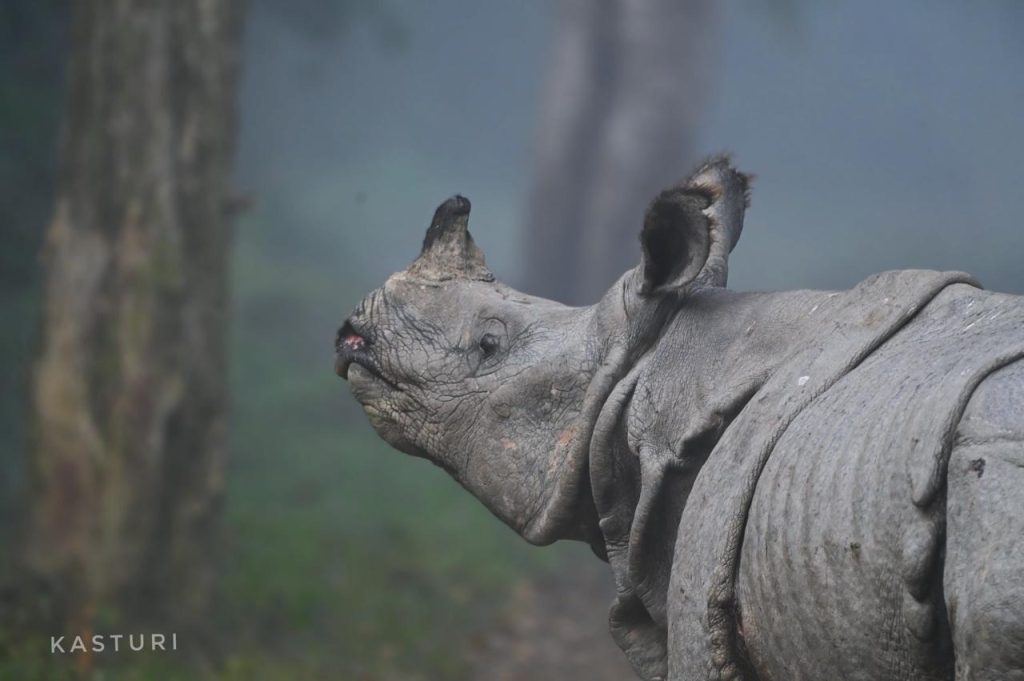
The greater one-horned rhinoceros, one of India’s most iconic animals, lived under constant threat. Its horn, coveted in illegal international markets, turned the animal into a target for organized crime syndicates operating across state and national borders.
Then came a year that rewrote history.
In 2022, Assam recorded zero rhino poaching. Not a single rhino was killed by poachers. It was the first such achievement in nearly 45 years. More importantly, the state has continued to maintain that record through sustained efforts, turning what once seemed impossible into a reality.
At the center of this transformation is a coordinated conservation push led by the Assam government and implemented on the ground by forest officials, police personnel, intelligence units, and local communities. Among those steering this effort today is 1989-batch IFS officer Sandeep Kumar, Principal Chief Conservator of Forests (PCCF) and Head of Forest Force (HOFF), Assam.
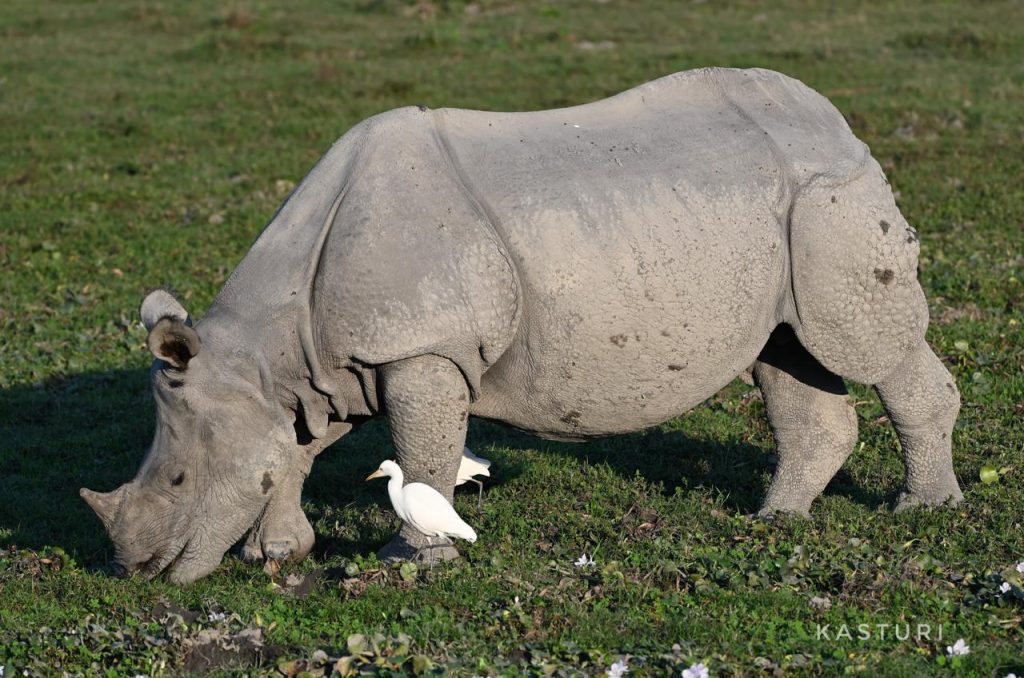
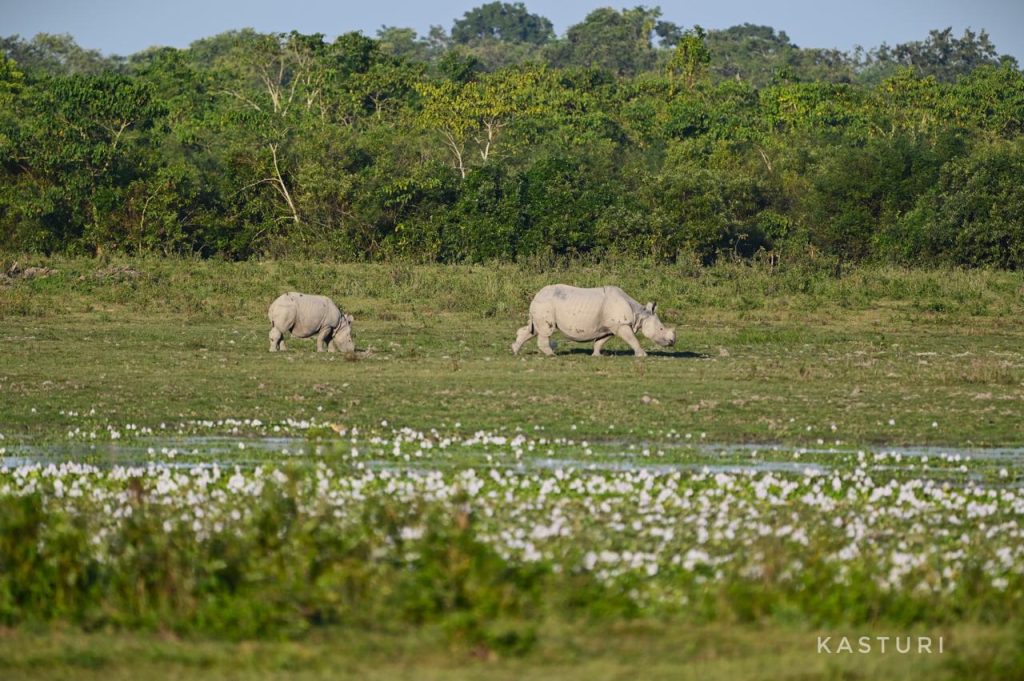
Today, when tourists enter Kaziranga National Park, they are greeted by a sight that once seemed uncertain: a one-horned rhino grazing peacefully in the open.
Also read: Dr. Sonali Ghosh Wins Eco Warrior Award 2025 for Wildlife Conservation at Kaziranga
WHEN POACHING WAS AT ITS WORST
The scale of the challenge becomes clearer when one looks at the numbers.
Between 2000 and 2021, hundreds of rhinos were lost to poaching in Assam. The crisis peaked in 2013 and 2014, when 27 rhinos were killed each year. Kaziranga National Park, home to the world’s largest population of greater one-horned rhinos, became the epicenter of the battle.
Poachers were no longer isolated hunters.
They operated through sophisticated networks, often armed with AK-series rifles and M-16 weapons. Dense forests, difficult terrain, porous borders, and limited surveillance capabilities made enforcement even harder.
“As far as I remember, around 2011 and 2012, the number of poachings was quite high. But with the new government, it was taken very seriously,” Sandeep Kumar shared in an exclusive conversation with Indian Masterminds.
What followed was one of the most intensive wildlife protection campaigns the state had ever seen.
A FORCE BUILT TO FIGHT POACHING
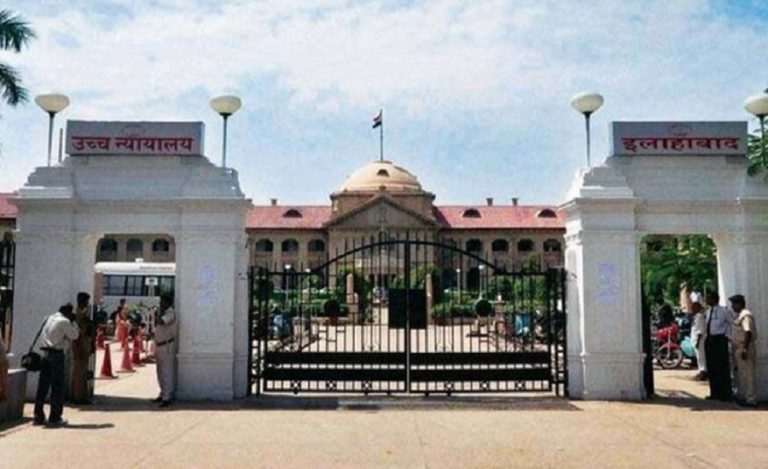
According to Kumar, the turning point came in 2021 when the Assam government established a dedicated Anti-Rhino Poaching Task Force. Unlike earlier efforts, this was not solely a forest department initiative.
The task force brought together the Forest Department, Assam Police, and Revenue Department under a common command structure. Headed by the state’s Director General of Police and supported by district officials and experienced advisors, the force was re-notified and strengthened again in 2024.
“The noteworthy thing was that the police department and the revenue department were also brought together with the forest department,” Kumar says. “A very strong anti-rhino-poaching force was created.”
At the same time, Assam expanded its Forest Protection Force. Two battalions were supplemented by a third, recruitment increased, and field teams received modern weapons and equipment.
The strategy was clear: combine intelligence, enforcement, and rapid response.
TECHNOLOGY BECAME THE FOREST’S NEW GUARDIAN
The battle against poaching was no longer fought only through foot patrols. Technology entered the forests in a big way.
Drone surveillance began monitoring vulnerable areas. An advanced Electronic Eye surveillance system was installed in Kaziranga, providing 24×7 monitoring with extensive coverage. Thermal sensors, animal movement detectors, wireless communication systems, and modern surveillance infrastructure strengthened the park’s security grid.
“The use of technology has come to help,” Kumar explains. “We started using drones, and an Electronic Eye was established in Kaziranga. It provides round-the-clock technical surveillance.”
The government also intensified intelligence gathering. Information on inter-state and international poaching networks was collected and analyzed. Even social media platforms were monitored for leads and suspicious activity.
But technology alone could not solve the problem. The real strength came from coordination.
THREE DEPARTMENTS, ONE MISSION
Forest guards tracked wildlife movement. Police units pursued criminal networks. Revenue officials helped strengthen local enforcement mechanisms.
Together, they created a seamless protection system around Kaziranga and other wildlife habitats.
“With the complete establishment of the intelligence network and ground operations, the forest department, police department and revenue department joined hands,” says Kumar. “We were able to achieve this.”
Local communities also became active participants. Forest villagers, youth groups, and residents living near protected areas helped create a wider network of vigilance and awareness.
The rhino was no longer being protected only by the government; it had become a collective responsibility.
PROTECTING RHINOS EVEN DURING FLOODS
Kaziranga faces another annual challenge: floods.
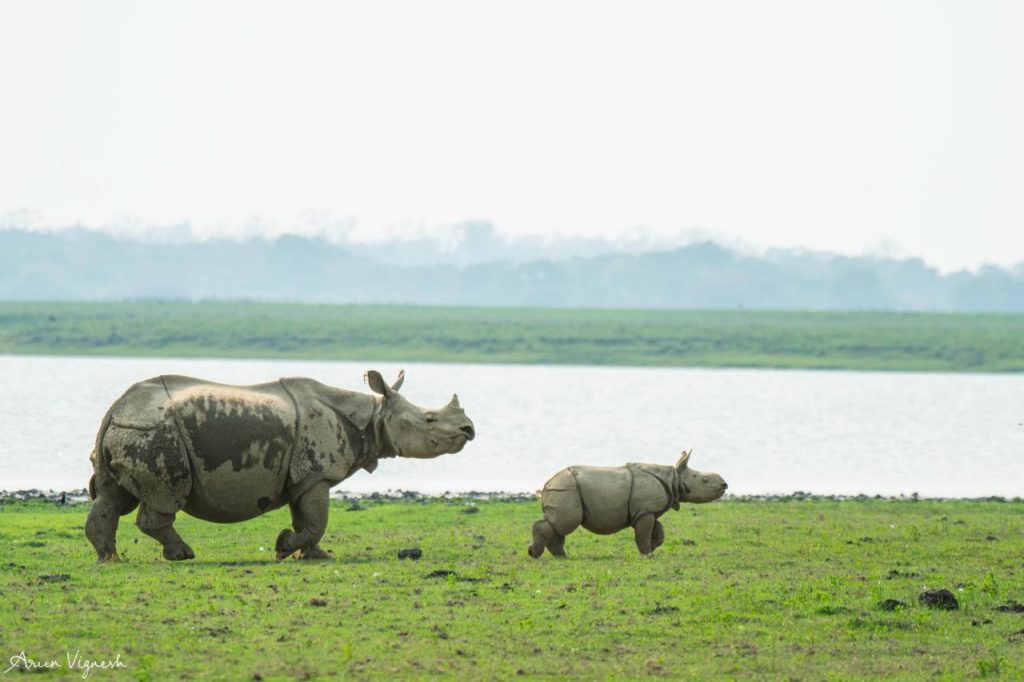
Every monsoon, rising waters force rhinos to move toward higher ground in the Karbi Anglong hills, making them vulnerable to poachers and accidents.
To counter this, extensive preparations begin months in advance.
“The vulnerability of rhinos becomes high during floods because they migrate to higher lands. All stray rhinos are monitored by the ground staff 24/7 so that they remain safe,” he told Indian Masterminds.
Annual flood-preparedness meetings chaired by Chief Minister Himanta Biswa Sarma ensure that forest divisions, territorial units, and field staff remain on alert throughout the season.
The result is a protection system that functions not just inside Kaziranga, but far beyond its boundaries.
BEYOND RHINOS: GREENING ASSAM’S FUTURE
While the rhino success story has drawn national attention, Kumar says Assam’s conservation focus is now expanding beyond protected forests.
One major initiative is the Amrit Vriksh Andolan, a mass plantation movement based on public participation.
In its first year, one crore seedlings were planted and distributed free of cost. The following year, the figure rose to 2.5 crore plantations. On World Environment Day this year, Assam planted another one crore trees in a single day.
Simultaneously, the state has reclaimed approximately 1.26 lakh bighas of encroached forest land and initiated restoration efforts.
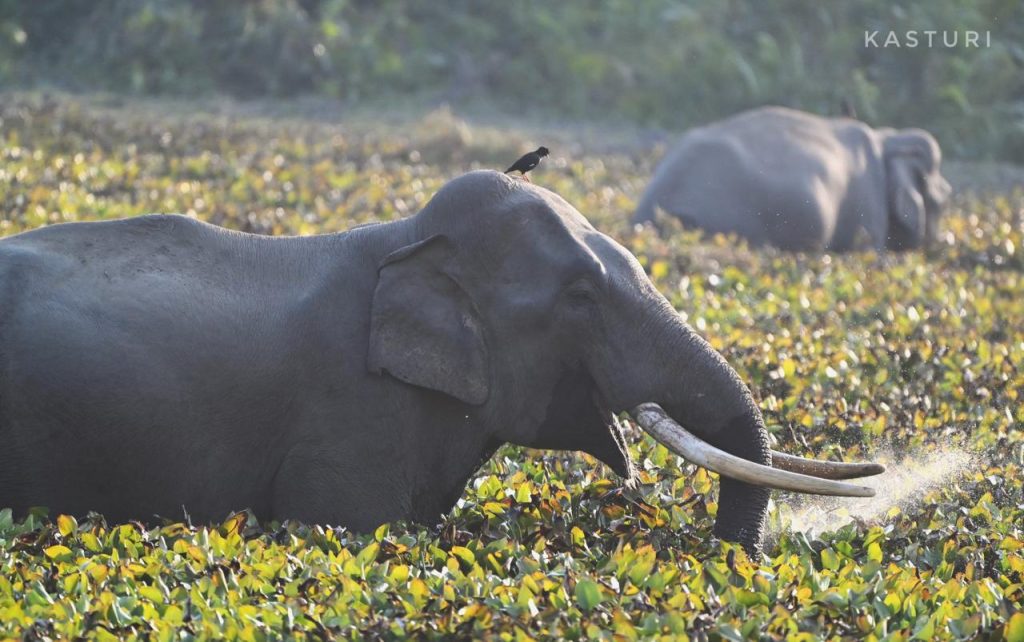
“After plantation in many of these areas, wildlife sightings have already started increasing,” Kumar notes.
It is a sign that conservation is no longer limited to protecting existing forests. It now includes rebuilding lost habitats and expanding green cover outside forest boundaries.
A HISTORIC WIN, BUT THE WORK CONTINUES
The image of a one-horned rhino grazing peacefully in Kaziranga has become a symbol of what focused governance, technology, enforcement, and community participation can achieve together.
For Assam, zero rhino poaching is not merely a statistic. It marks the end of one chapter and the beginning of another, where protecting wildlife is no longer a defensive battle but a long-term commitment to restoring ecosystems.
And for IFS officer Sandeep Kumar and his teams across Assam, the message is clear: the fight to save wildlife never truly ends, but sometimes, it delivers a moment worth celebrating.
Also read: Rhino Revival: Sonali Ghosh’s Journey to Save Kaziranga’s Giants