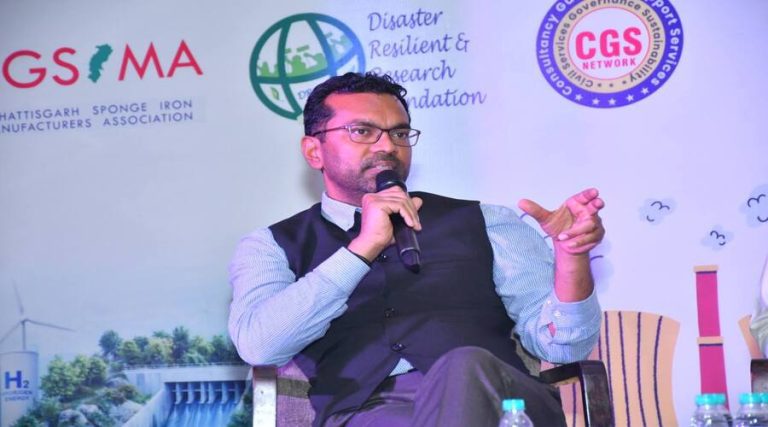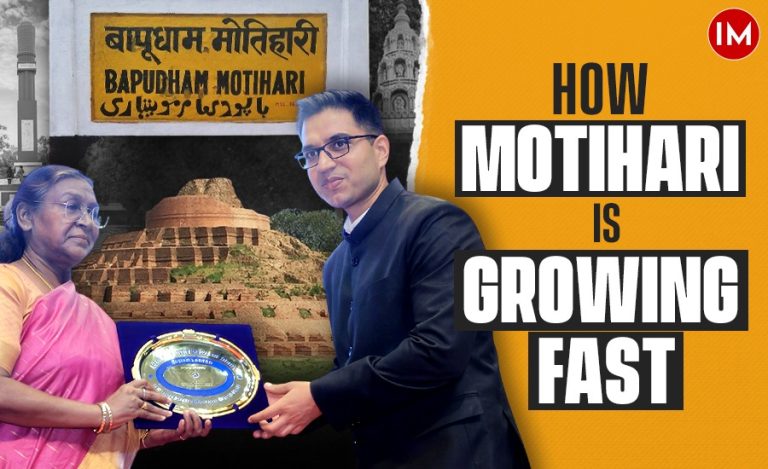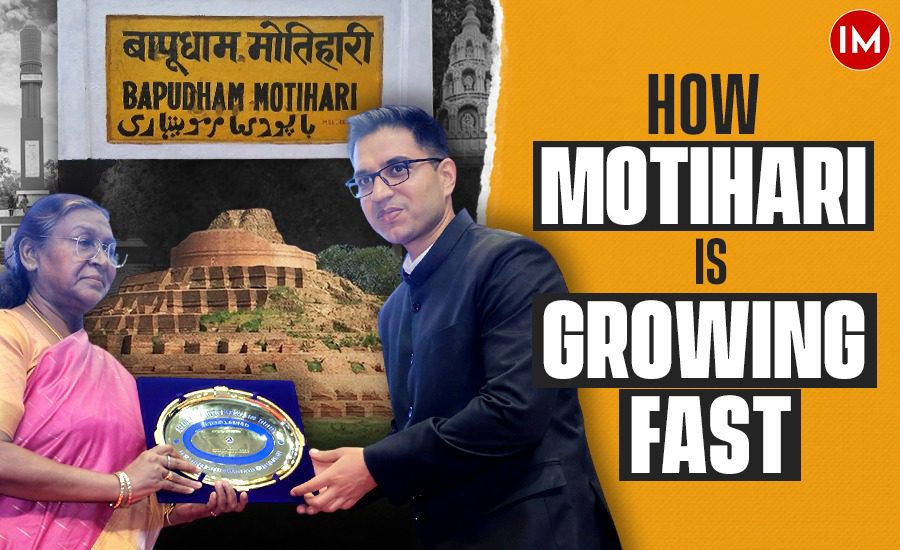
In Motihari, where history once echoed with the footsteps of Mahatma Gandhi during the Champaran Satyagraha, a new story of transformation is quietly unfolding. This time, it is not about indigo farmers. It is about infrastructure, startups, and aspirations. At the centre of this change is Mr. Saurabh Jorwal, a 2014-batch IAS officer of the Bihar cadre, currently serving as the District Magistrate of East Champaran.
With a mix of grounded governance and forward-looking vision, he is working to reshape how this historically significant district is seen—both within Bihar and beyond.
ROOTED IN HISTORY, AIMED AT THE FUTURE
Motihari has always carried a legacy. It is known as the land of Gandhi and also associated with the spiritual presence of Gautama Buddha. Its proximity to Nepal adds to its economic and cultural relevance.
But for years, the district struggled to move beyond its historical identity. Today, under focused administrative push, Motihari is being reimagined as a hub of growth.
Mr. Jorwal believes that history is a strength, not a limitation. It gives the district identity. But development must define its future.
INFRASTRUCTURE PUSH: LAYING THE FOUNDATION
One of the biggest drivers of change is infrastructure. Several development projects are either underway or in the pipeline across East and West Champaran.
A key focus is Raxaul, a crucial border town. Plans for an industrial area are progressing, with land being identified and allocated. This is expected to attract industries and create jobs.
Another major step is the proposed airport near Raxaul. Land acquisition is nearing completion. Once operational, it will improve connectivity and open new economic opportunities for the region.
Road connectivity is also improving. Key routes linking Nepal and nearby districts are being strengthened. Better transport is reducing costs and making trade easier.
The presence of industrial units like IOCL and the upcoming Mother Dairy plant further signal a shift toward industrial growth.
STARTUPS AND LOCAL ENTERPRISE: A NEW ENERGY
Beyond big infrastructure, there is a clear push toward grassroots entrepreneurship.
Inspired by successful models in nearby districts, efforts are being made to build a startup ecosystem in East Champaran. Young entrepreneurs are being encouraged. They are getting support in the form of loans, land, and training.
Market linkages are also improving. Businesses are connecting with cities like Delhi and Faridabad. The Nepal border adds another layer of opportunity.
“We are trying to create an ecosystem where even small entrepreneurs can start and grow. The idea is to make people believe that business is possible here,” says Mr. Jorwal.
This shift is important. For long, migration was seen as the only option. Now, local opportunities are slowly changing that mindset.
AGRICULTURE TO AGRI-BUSINESS
Agriculture remains the backbone of the district. But the focus is now on making it more profitable.
Under schemes like One District One Product, local produce is being promoted. Champaran’s traditional products, including oil and food items, are being branded and marketed.
Vegetable production is high. There is growing interest in food processing. Farmers are exploring ways to add value to their produce.
Crops like turmeric and potatoes are getting attention. Demand often exceeds supply, indicating strong market potential.
There are also discussions around modern practices like solar-powered irrigation and better water management.
“Agriculture is not just about survival anymore. It can become a strong business if we connect it to markets and technology,” he explains.
TECHNOLOGY IN GOVERNANCE
Technology is becoming a key tool in district administration.
From data analysis to communication, digital tools are making governance faster and more efficient. Information now reaches people quickly through social media and online platforms.
Citizens can directly contact officials. Feedback loops are becoming stronger. Decision-making is increasingly data-driven.
Earlier, collecting and analysing data took days. Now, it can be done in hours. This helps in better planning and targeted interventions.
There is also a push to introduce awareness about emerging technologies, including AI tools, among officials and youth.
CHANGING PERCEPTIONS: BREAKING THE BIHAR MYTH
One of the biggest challenges is perception. Bihar is often seen as a difficult place for industries and startups.
Mr. Jorwal acknowledges this but also points out the changes.
Law and order has improved. Connectivity is better. Access to resources is increasing. Skilled people are available.
He stresses that many assumptions about Bihar are outdated.
Today, reaching any part of the state is faster. Business conditions are improving. Women’s participation is growing.
The administration is actively working to attract investors and build confidence.
YOUTH AND THE RETURN TO ROOTS
Interestingly, there is a gradual shift among the youth as well.
Many are now looking at agriculture and local businesses with renewed interest. Exposure to new ideas, training, and success stories is helping. Modern farming methods like greenhouse cultivation and cash crops are gaining popularity. The idea is simple: combine tradition with innovation. This change may be slow, but it is steady.
A DISTRICT IN TRANSITION
Motihari is no longer just about its past. It is about possibility.
With better infrastructure, growing industries, startup support, and tech-driven governance, the district is moving forward.
Challenges remain. But the direction is clear.
As Mr. Jorwal and his team continue their work, East Champaran is gradually redefining itself—from a place of historic significance to a centre of emerging opportunity.
And perhaps, in the years to come, Motihari will be known not just for where India’s freedom struggle began—but also for how a district transformed itself for the future.