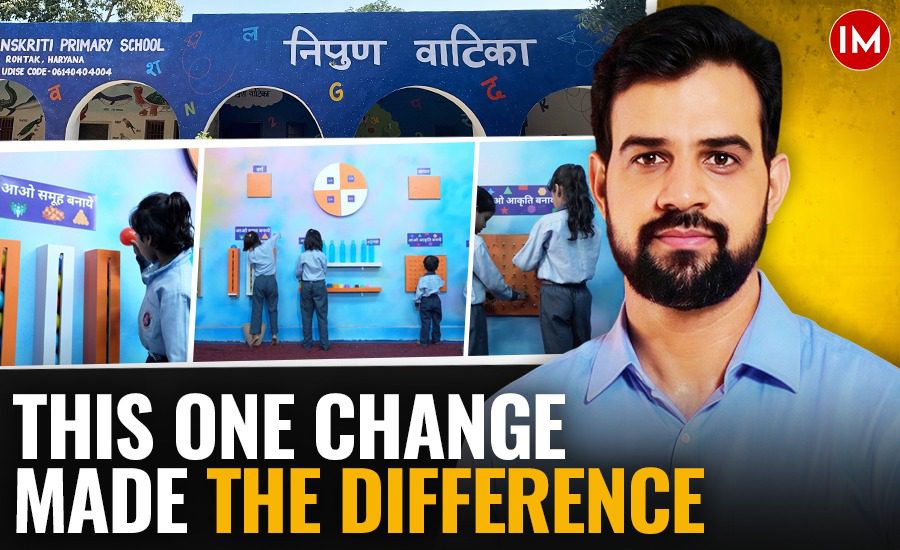
A child sits in a government school classroom, holding a set of colourful beads, quietly solving a maths problem with a smile. Across the room, another group forms words using alphabet cards, discussing, laughing, and learning together. Just a few years ago, many of these children would have struggled to recognise letters or numbers despite attending school regularly. Today, their classrooms look—and feel—completely different.
This transformation is the result of NIPUN Vatika, an initiative led by IAS officer Narendra Kumar, a 2021 batch officer of the Haryana cadre currently serving as Additional Deputy Commissioner in Rohtak. Designed to address foundational learning gaps in early grades, the initiative is reshaping how young children experience education in government schools.
RECOGNISING THE REAL PROBLEM
The idea for NIPUN Vatika emerged from direct observations during school visits. What stood out was not absenteeism, but a deeper issue within classrooms themselves.
“Many children were present in classrooms but not meaningfully engaged, and several struggled with recognising basic letters and numbers despite regular attendance,” Mr Kumar shared in a conversation with Indian Masterminds.
This gap between attendance and actual learning highlighted the need for a different approach. It became evident that simply being in school was not enough if children were unable to grasp basic concepts.
UNDERSTANDING THE GAPS IN EARLY EDUCATION
A closer look at the situation revealed structural challenges in early education. Foundational literacy and numeracy were weak, and traditional teaching methods were not helping bridge the gap.
Rote-based learning dominated classrooms, leaving little room for curiosity or understanding. As a result, many students lacked confidence and struggled to keep up, which also affected their interest in continuing education.
To address these challenges, NIPUN Vatika was designed in alignment with the NIPUN Bharat Mission, focusing on ensuring that every child achieves Foundational Literacy and Numeracy (FLN) by Grade 3.
Instead of introducing complex reforms, the initiative focused on making classrooms more engaging and child-centric.
“The idea was to create joyful classrooms while systematically strengthening basic skills in language and mathematics.”
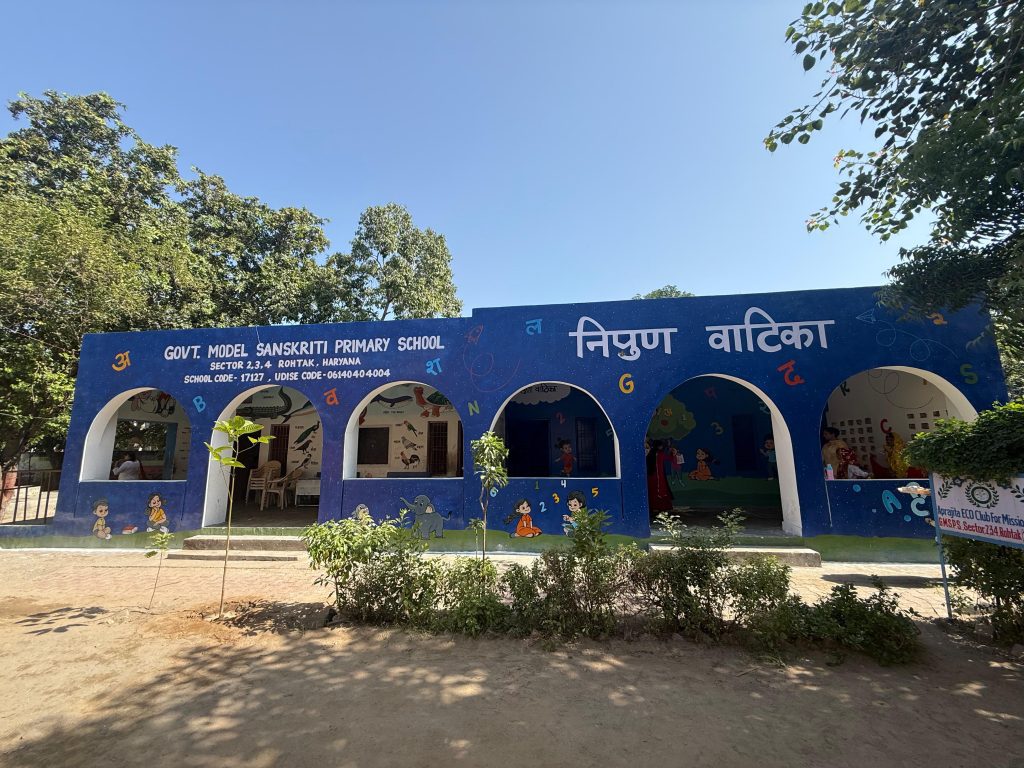
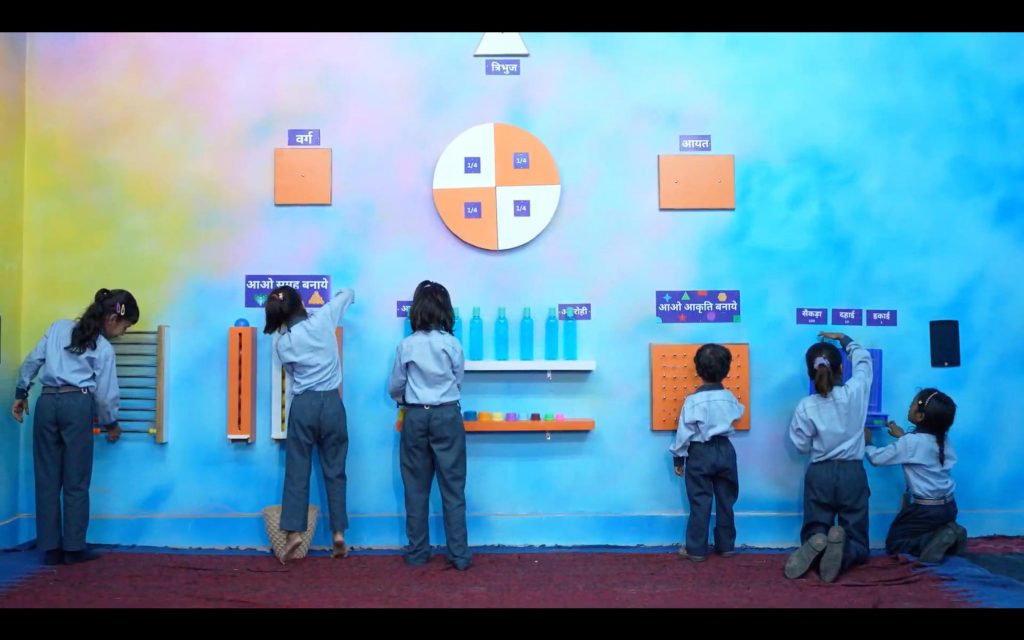
Under this model, classrooms have been transformed into activity-based learning spaces where children learn through play, interaction, and hands-on experiences. The approach is rooted in understanding how children learn best—by doing rather than memorising.
LEARNING THROUGH INTERACTIVE TOOLS
One of the defining features of NIPUN Vatika is the use of simple yet effective learning tools. These tools make abstract concepts easier to understand and encourage active participation.
For numeracy, children use counting beads, number cards, and basic arithmetic activities to build foundational skills. Language learning is supported through tools such as matra chakra, alphabet stands, light boards, sentence makers, and word builders.
These methods not only make learning more engaging but also help children develop confidence as they begin to understand and apply concepts independently.
EMPOWERING TEACHERS FOR CHANGE
A key aspect of the initiative’s success lies in preparing teachers to adopt this new approach.
“Structured workshops, demonstration classes, and hands-on training sessions were conducted to help teachers understand experiential learning methods,” Mr Kumar added.
In addition to initial training, teachers received ongoing mentoring, participated in peer learning, and were provided with continuous academic support. This ensured that they gradually became comfortable with activity-based teaching methods.
Over time, teachers began to see positive changes in student engagement, which further encouraged them to embrace the new approach.
BUILDING COMMUNITY INVOLVEMENT AND VISIBLE IMPROVEMENTS
The initiative also recognised the importance of involving parents and the community. Regular interactions and awareness efforts helped build trust and encouraged parents to take an active role in their children’s learning.
This collaboration created a supportive environment where learning was reinforced both inside and outside the classroom.
The impact of NIPUN Vatika is evident in both student behaviour and academic outcomes.
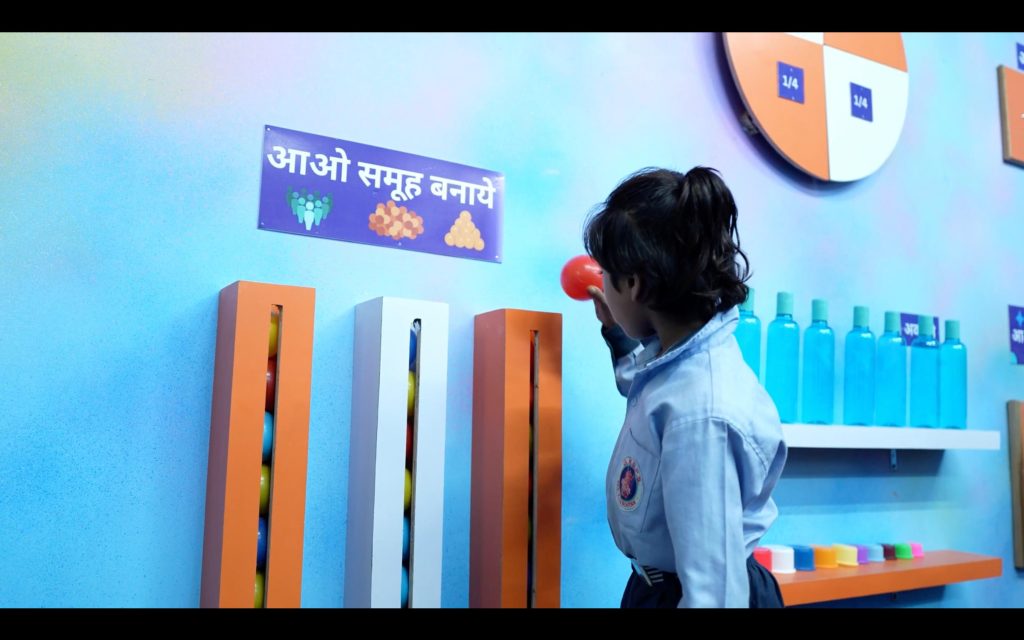
“Children are more confident, actively participate in classroom activities, and show better understanding of basic concepts.”
Attendance has also improved, as children are more interested in coming to school when the learning environment is engaging and enjoyable. By reducing the fear associated with learning, the initiative has also contributed to lowering dropout tendencies in early grades.
A MODEL GAINING STATEWIDE ATTENTION
As the first initiative of its kind in Haryana, NIPUN Vatika has drawn attention at the highest levels of the state government. The model has been visited and appreciated by the governor of Haryana and the education minister, underscoring its effectiveness in addressing foundational learning challenges at the grassroots level.
Its success in Rohtak has also led to discussions around scaling the initiative further. The Haryana government is currently deliberating on adopting the NIPUN Vatika model across the state. As part of this plan, there is a proposal to establish at least two NIPUN Vatikas in every block, expanding the reach of activity-based, foundational learning to a much larger number of children.
CHALLENGES IN IMPLEMENTATION
Despite its success, the journey of implementing NIPUN Vatika was not without challenges. Resistance to change was one of the initial hurdles, as teachers and schools were accustomed to traditional methods.
Limited resources and the need for continuous motivation among teachers also posed difficulties. Ensuring consistent implementation across multiple schools required regular monitoring and sustained effort.
However, with structured support and gradual adaptation, these challenges were addressed over time.
A LONG-TERM VISION FOR EDUCATION
NIPUN Vatika is not just a short-term intervention but part of a broader vision for improving early education in Haryana. The focus is on building a strong foundation that supports long-term learning outcomes.
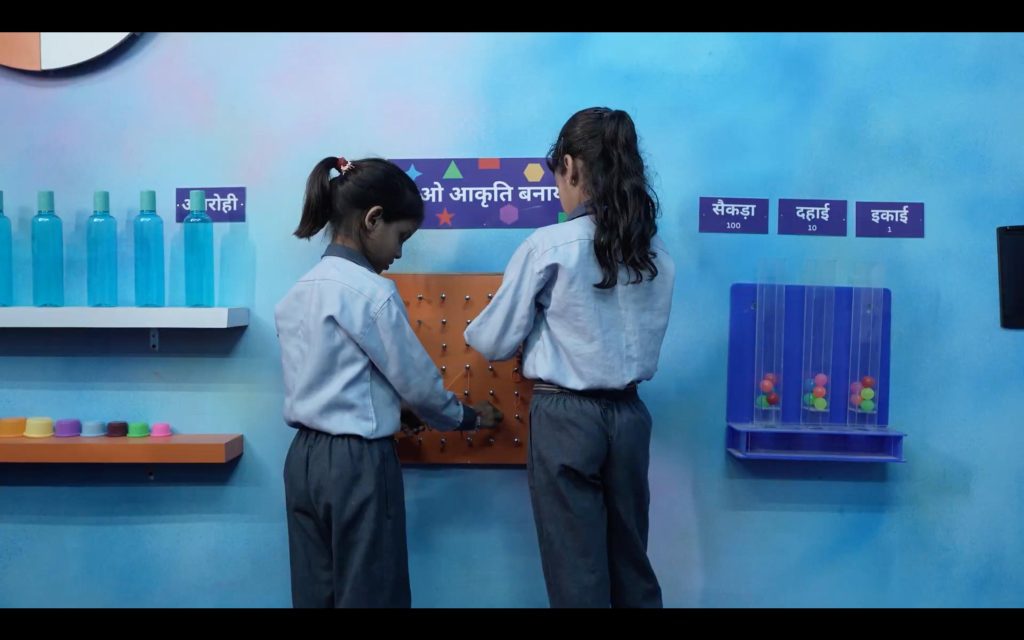
By ensuring that children achieve essential literacy and numeracy skills at the right stage, the initiative aims to create a more effective and equitable education system.
The success of NIPUN Vatika in Rohtak highlights how targeted interventions at the district level can address critical challenges in education. By focusing on foundational learning and creating engaging classroom environments, the initiative offers a practical model that can be replicated in other regions.
It demonstrates that meaningful change does not always require large-scale reforms. Sometimes, it begins with identifying the right problem and taking focused, consistent steps to solve it.
In Rohtak, this approach is already making a difference—turning classrooms into spaces where children are not just present, but actively learning and growing.