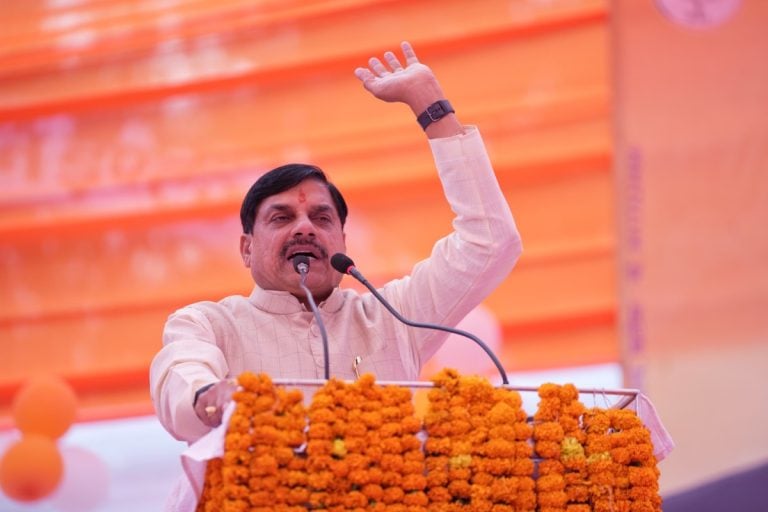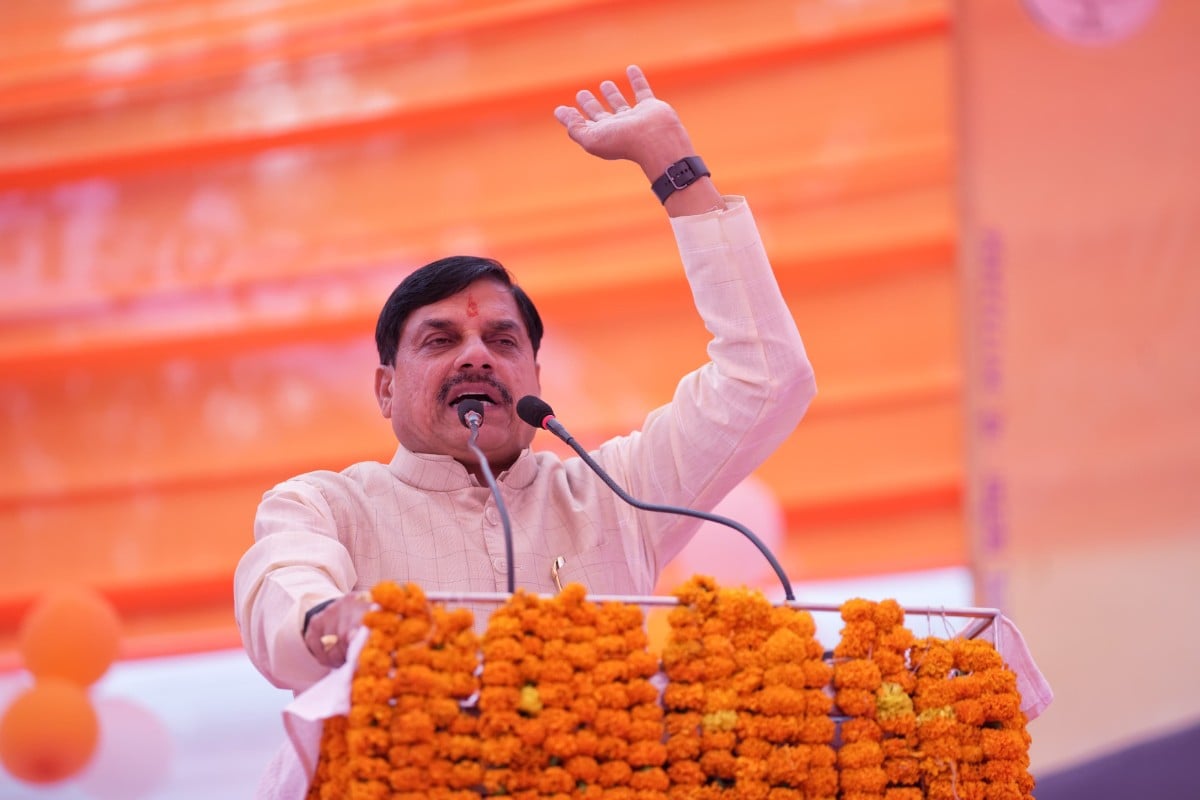
Bhopal: Madhya Pradesh Chief Minister Dr Mohan Yadav has said that the state government is working to preserve and promote tribal culture, religious traditions, folk art and traditional cuisine while providing national and international recognition to the state’s rich cultural heritage.
The government is also focusing on making tribal artists, artisans and women economically self-reliant by creating better market opportunities for traditional handicrafts and developing tourism-based livelihood opportunities.
The initiatives include securing Geographical Indication (GI) tags for tribal art and handicrafts, establishing tribal cafeterias at prominent tourist destinations and preserving the traditional knowledge of tribal healers.
Gond Painting Receives GI Tag, Seven Other Tribal Products in Pipeline
Chief Minister Mohan Yadav said that the famous Gond painting of Dindori district has received the Geographical Indication (GI) tag, marking an important achievement in the recognition and preservation of Madhya Pradesh’s tribal art.
The traditional art form was popularised by tribal artist Late Jodhaiya Bai, who was honoured with the Padma Shri by the Government of India for her contribution to tribal art. The recognition also highlights the cultural significance of Gond painting and its artists.
The state government has also applied for GI recognition for seven other tribal products and traditional art forms, including:
- Galshan Mala: Traditional jewellery of the Bhil tribe.
- Bolni: A traditional tribal product.
- Pithora Painting: A traditional tribal painting style.
- Jhabua Tribal Dolls: Traditional dolls representing tribal culture.
- Bana: A traditional musical instrument of the Gond tribe.
- Chikara: A traditional Gond musical instrument.
- Mask and Woodcraft: Traditional wooden mask-making and handicraft.
The government is making efforts to secure GI tags for these products by March 2027.
The GI recognition is expected to provide tribal artists, woodcraft workers and artisans with distinctive identification for their products, improve market access and create better opportunities for sales and economic benefits.
Tribal Cafeterias to Be Established at Three Tourist Destinations
To strengthen the livelihood opportunities of tribal women, the Madhya Pradesh government is developing tribal cafeterias at three major tourist destinations—Mandu, Kanha-Kisli and Pench.
The initiative is inspired by the Tribal Women’s Cafeteria operating at the Statue of Unity in Kevadia, Gujarat.
These cafeterias will be exclusively operated by tribal women and will introduce tourists to traditional tribal cuisine, food culture and culinary heritage of Madhya Pradesh.
The initiative is expected to provide women with sustainable employment and self-employment opportunities in their local areas while connecting tribal food traditions with tourism.
The proposed locations are:
- Mandu: A major historical and tourist destination in Madhya Pradesh.
- Kanha-Kisli: A popular wildlife and tourism destination associated with Kanha National Park.
- Pench: A prominent wildlife tourism destination known for its forest and biodiversity.
Through these cafeterias, the government aims to promote tribal cuisine while enabling women to earn a livelihood through tourism-related activities.
Government to Preserve Traditional Knowledge of Tribal Healers
Chief Minister Mohan Yadav also highlighted efforts to identify and preserve the traditional knowledge of tribal healers, known as Tribal Healers, who possess knowledge of herbs, medicinal plants and indigenous healing practices.
The Tribal Research and Development Institute (TRI) has identified approximately 200 tribal healers so far.
The state government intends to document, preserve and promote their traditional knowledge to ensure that indigenous practices and understanding of medicinal plants are passed on to future generations.
The initiative aims to protect the traditional knowledge system of tribal communities and recognise their contribution to the state’s cultural and medicinal heritage.
Madhya Pradesh’s Focus on Tribal Heritage and Economic Empowerment
The state government’s initiatives aim to connect tribal heritage with economic development, tourism and livelihood generation. From securing GI tags for traditional art and handicrafts to developing women-operated cafeterias and preserving indigenous medicinal knowledge, Madhya Pradesh is working to strengthen the identity and economic opportunities of tribal communities.
According to Chief Minister Mohan Yadav, these efforts will help preserve the state’s cultural diversity, provide greater recognition to tribal artists and artisans, create sustainable livelihood opportunities for women and bring Madhya Pradesh’s tribal heritage to national and international platforms.
Read also: Madhya Pradesh CM Mohan Yadav Attends Mass Wedding Ceremony, Blesses 101 Couples in Chhatarpur