In December 2023, in a tragic incident, a five-year-old girl fell into an open bore well in Pipliya Rasoda Village, in Rajgarh District of Madhya Pradesh. Despite an intense rescue operation, the girl lost her life after about six hours. This incident brought national attention to the persistent problem of open and unsealed bore wells, which are common in rural areas across the state. Often, these wells are abandoned once they fail to yield water but remain uncovered, posing a significant danger to children, who are small enough to fall into them.
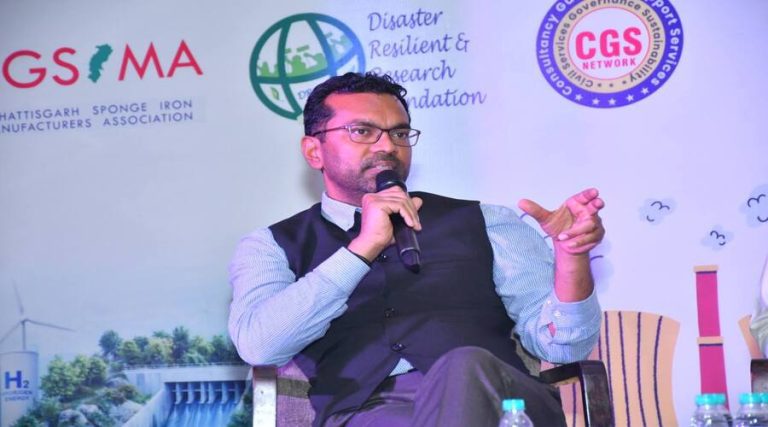
This tragedy led IAS officer Anshuman Raj (2020 Batch MP cadre), who was then posted as Sub-Divisional Magistrate in Narsinghgarh, Rajgarh, to take action. Deeply impacted by the incident, he decided to implement a solution that would help prevent similar accidents in the future.
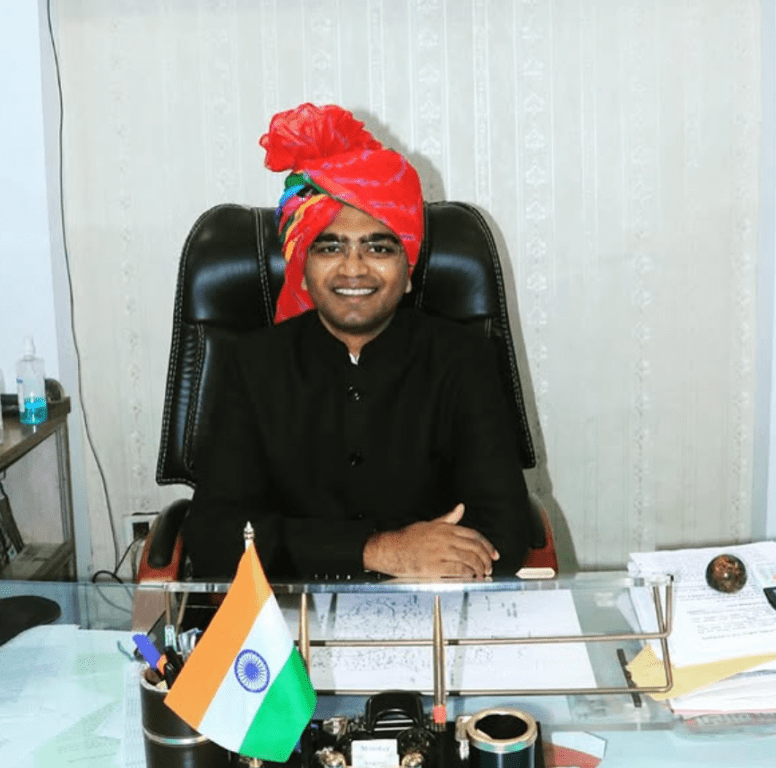
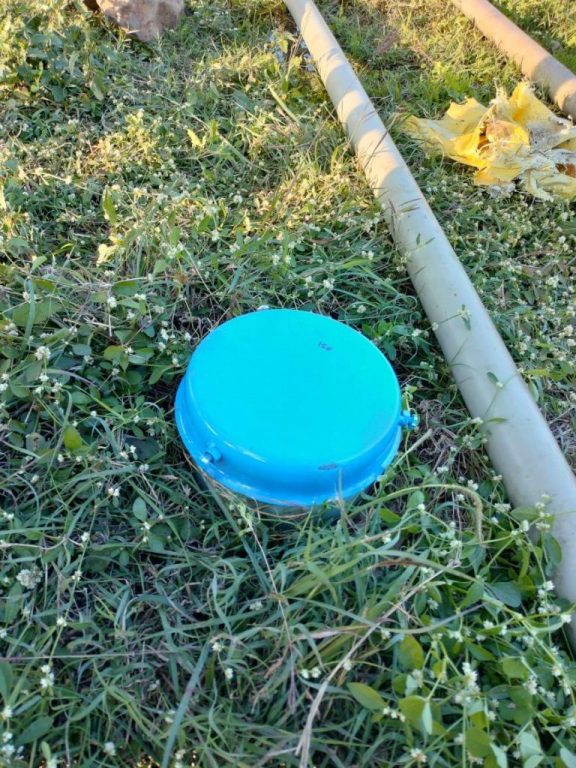
“We initiated an extensive survey to identify and map the open bore wells in my jurisdiction. My team categorised these wells based on their safety, identifying those that were unsafe and posed significant risks. This database proved crucial in locating hazardous wells and closing them, thus reducing the risk to local communities,” Mr. Raj, who is currently posted as CEO, Zilla Panchayat, Sidhi shared with Indian Masterminds.
LEVERAGING AI AND MACHINE LEARNING FOR BORE WELL DETECTION
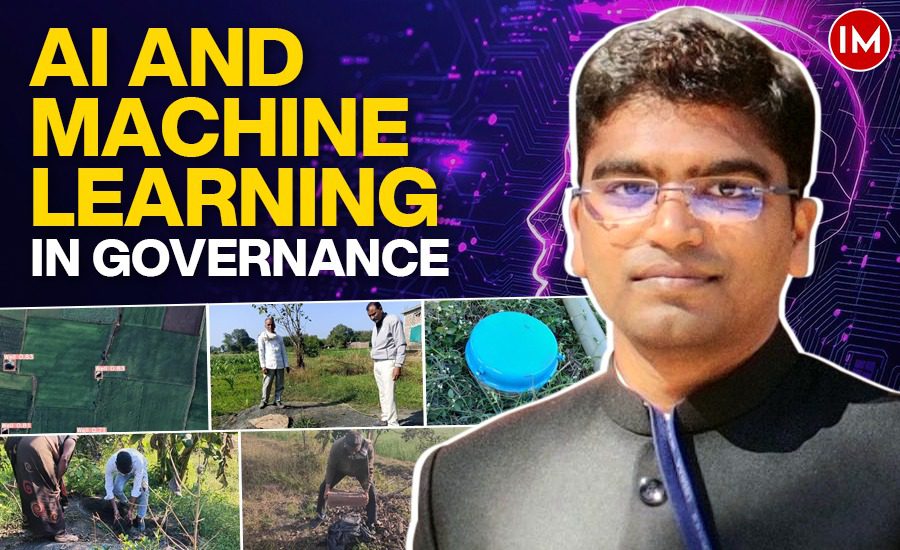
Anshuman Raj, who holds a background in marine engineering, turned to modern technology to scale his efforts. Inspired by facial recognition software, which uses machine learning algorithms to identify and verify individuals, he envisioned a similar system that could automatically detect bore wells using satellite imagery. The process began by manually labelling satellite images, creating a training dataset for the machine learning model. This dataset would teach the system to recognise patterns and identify bore wells with high accuracy.
“After 15 to 20 days of training, the model was able to detect bore wells in satellite images with approximately 95% accuracy,” he added. This technological advancement significantly reduced the need for manual intervention and made the identification process more efficient.
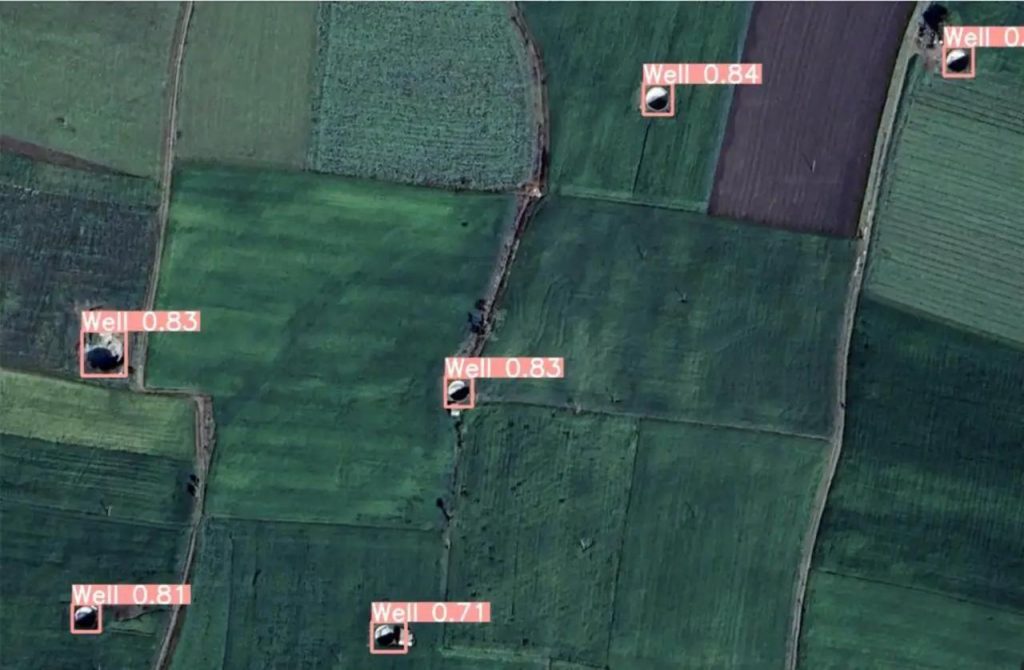
However, implementing this solution on a larger scale presented challenges. One of the main issues was the high computational power required to process satellite images. The AI model needed high-resolution images to detect small bore wells, often only 6-7 inches in diameter. Traditional satellites offer images with resolutions of 30 meters, but the AI model required higher-resolution images to ensure accuracy. Despite these challenges, Mr. Raj’s team persevered, refining the model to improve its effectiveness.
EXPANDING THE USE OF TECHNOLOGY BEYOND BORE WELL
The application of machine learning and satellite imaging went beyond borewell detection. The officer also applied these technologies to other areas of administration, such as disaster management. In 2023, a hailstorm caused significant crop damage across 27 villages in Madhya Pradesh. Traditional methods of assessing the damage were slow and inefficient.
“However, by using satellite images, our team was able to map the affected areas quickly and accurately, which saved the government around 75% of the funds that would have otherwise been wasted on inefficient manual surveys,” the officer shared. This allowed for a faster, more transparent compensation process.
LONG-TERM IMPACT
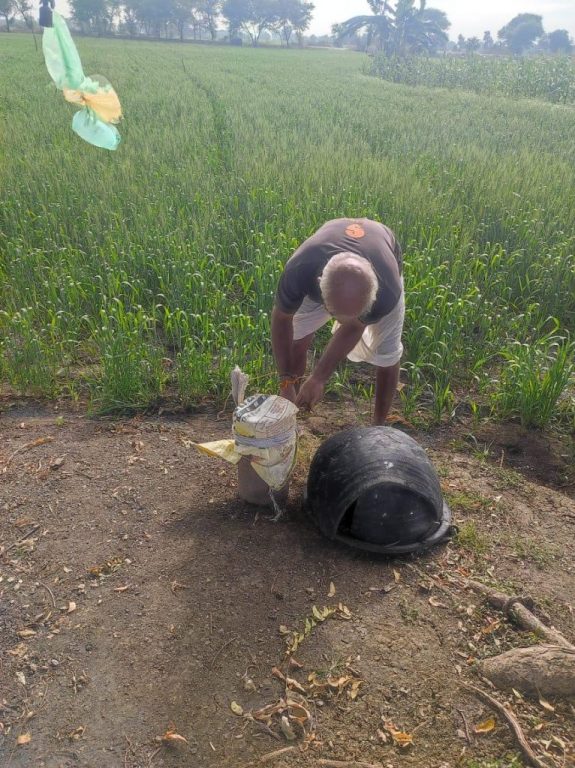
Since the initiative was implemented, there have been no additional incidents of children falling into open bore wells in the surveyed areas. The awareness generated through the GIS-based database, along with regular checks by ground staff, has led to the timely identification and closure of unsafe wells. The database also helped update land revenue records and monitor groundwater levels.
While the initiative was initially localised to Rajgarh District, IAS officer Anshuman Raj is working towards scaling it across Madhya Pradesh. He shared with Indian Masterminds that the state government has shown interest in expanding this model, recognising its positive impact on reducing incidents and improving transparency.
FUTURE PROSPECTS AND EXPANSION
Although the initiative has seen success in some areas of Madhya Pradesh, there are challenges to scaling it nationwide. In states where groundwater is found at deeper levels, bore wells are more common, and many of these are left unsealed after they are abandoned. Closing these wells is often considered an unnecessary expense by locals, which exacerbates the problem.
Nonetheless, Mr. Raj remains confident that technology can help address these challenges. The use of machine learning models to tackle other complex issues, such as disaster management and land administration, offers a significant opportunity for improved governance.
IAS officer Anshuman Raj’s innovative approach to using AI and satellite imagery for the detection of open bore wells in Madhya Pradesh offers a practical and scalable solution to a long-standing problem. The successful implementation of this project has not only prevented further tragedies in those areas but has also demonstrated the power of modern technology in solving real-world problems.
Through the use of machine learning, AI, and satellite technology, this initiative addresses multiple challenges in governance and disaster management, setting a valuable example for other regions to follow.