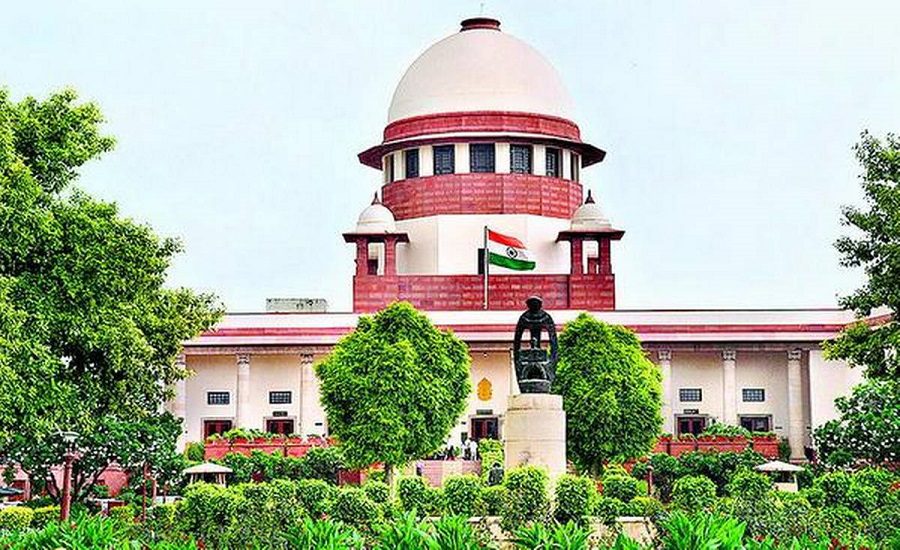
New Delhi: The Supreme Court of India delivered a major relief to thousands of judicial officers in Madhya Pradesh on Thursday, November 20, 2025. The court allowed members of the MP Judges Association to continue their service as district judges until they reach 61 years of age, raising it from the previous retirement age of 60 years
Background of MP Judge Retirement
The MP Judges Association had been fighting for this change since 2018. They initially asked for retirement at 62 years, matching other state government employees. However, they later reduced their demand to 61 years to match the Telangana example.
In the plea filed by the petitioner association, it is stated that the copy of the administrative order has not been provided and the decision was communicated orally through the Registrar General of the MP High Court.
The association complained about unfair treatment. They said the High Court refused to even give them a written copy of the rejection order dated August 22, 2025. Instead, they were just told orally by the Registrar General that their request was kept pending or rejected.
May 2025 Order: The Foundation
This is not the first time the Supreme Court has spoken on this issue. On May 26, the bench of CJI BR Gavai and Justice AG Masih had clarified that there was no impediment in raising the retirement age of District Judges to 61 years. The court had asked the Madhya Pradesh High Court to take an administrative decision within 3 months.
But the MP High Court did not follow this direction. This led to the new petition being filed by the judges association.
Telangana Example Shows the Way
The Supreme Court relied heavily on what happened in Telangana. In the May 26 order, the Court relied on its earlier order in an application filed by the Telangana State Government in the All India Judges Association Case. In that case, the Telangana High Court had asked for clarification about increasing the retirement age, and the Supreme Court allowed it.
The Telangana example became very important. Senior Advocate Ajit S Bhasme, who represented the MP judges, said they were only asking for the same treatment that Telangana judges got.
What Did the Supreme Court Decide on MP Judge Retirement
A bench comprising Chief Justice BR Gavai, Justice Prasanna B Varale and Justice K Vinod Chandran granted the relief while referring to a similar precedent set by the Telangana High Court. This interim order will help many judicial officers who were facing early retirement.
The court’s decision came after the MP Judges Association challenged the Madhya Pradesh High Court’s refusal to increase the retirement age. The association had been fighting for this change since 2018.
Main Reason Behind MP Judge Retirement Age Issue
The main problem was simple but important. While other state government employees in Madhya Pradesh retire at the age of 62, judicial officers were made to retire at 60. This created an unfair difference between different government workers who get paid from the same government treasury.
The Supreme Court found this difference very strange. The judges asked a simple question: why should judicial officers get different treatment when they work for the same state government?
MP High Court’s Opposition Creates Controversy
Senior Advocate Gopal Sankaranarayanan represented the Madhya Pradesh High Court in this case. He stressed that the present case cannot be compared to the Telangana High Court’s case, where the district judge’s retirement was enhanced to 61 Years. The MP High Court said it could not accommodate such an extension.
However, the SC bench asked the MP High Court why it was objecting to the judicial officers’ association’s request when the state government itself had no apparent objection and would bear the additional financial burden.
Supreme Court’s Strong Observations
The Supreme Court made several important points during the hearing. The bench clearly stated that denying this benefit to judicial officers was not right or fair.
“When all other employees working in the state of Madhya Pradesh would enjoy the age of retirement as 62 years, we see no reason as to why the petitioners, members of the petitioner association, would be denied the benefit of retirement at the age of 61 years”, the court observed.
The court observed that while other state government employees in Madhya Pradesh retire at the age of 62, judicial officers were being made to retire at 60. The court said this difference was not justified.
Impact of MP Judge Retirement Age Increment
This decision will affect thousands of judicial officers currently serving in Madhya Pradesh. Many judges who were close to retirement at 60 will now get an extra year to serve. This can help in several ways:
More Experience: Senior judges with valuable experience can continue serving and guide younger judges.
Better Case Management: With experienced judges staying longer, pending cases can be handled better.
Fair Treatment: The decision brings parity between judicial officers and other government employees.
Morale Boost: Judicial officers will feel valued and respected, knowing they get the same benefits as other state employees.
Way Forward
The Supreme Court has issued this as an interim order. This means it is temporary and applies immediately. The court has scheduled the final hearing after four weeks.
During the final hearing, the court will make a permanent decision. Until then, the bench, as an interim measure, directed “that the members of the petitioner association will be entitled to continue in service till they attain the age of 61 years”.
The Bigger Picture: Retirement Ages in India
Understanding how retirement ages work for different government positions helps us see why this case is important:
- High Court Judges: They retire at 62 years of age across India.
- District Court Judges in MP: Now they will retire at 61 years (after this order).
- Other MP Government Employees: They retire at 62 years.
- Supreme Court Judges: They retire at 65 years of age.
The Supreme Court pointed out this difference. The court also pointed out the existing one-year difference between the retirement ages of high court judges and district court judges. Now with district judges retiring at 61, there will still be a one-year gap with High Court judges who retire at 62.