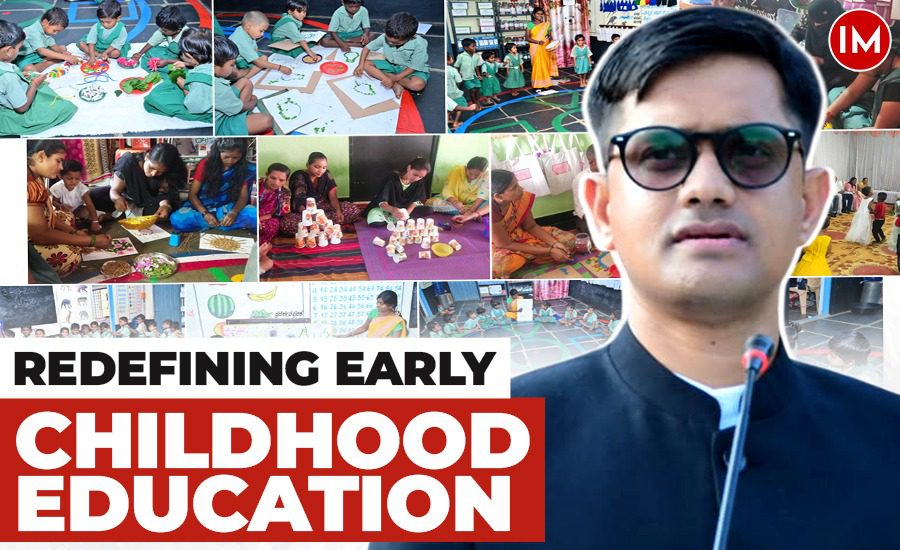
Embedding education and nutrition in nascent childhood, Koppal district in Karnataka is setting a gold standard in Early Childhood Care and Education (ECCE). Spearheaded by Mr. Nalini Atul (2014, IAS) Deputy Commissioner of Koppal. This transformative program has been meticulously crafted to align with the New Education Policy (NEP) 2020, addressing the pressing learning crisis in India. The programme, aptly titled “Poshan Bhi, Padhai Bhi”, seamlessly integrates health, nutrition, and foundational learning for children aged 3 to 6 years. It has not only garnered attention at the national level but also inspired five other states to consider adopting similar models.
THE LEARNING CRISIS : A NATIONAL CHALLENGE
According to NEP 2020, a significant number of children pass through the schooling system without acquiring basic literacy and numeracy skills. This underlined the need for a robust ECCE framework. Mr. Nalini Athul’s initiative in Koppal aims to bridge this gap by ensuring that Anganwadi Centres (AWCs) evolve into holistic development hubs. The program’s curriculum focuses on fostering lifelong learning skills, equipping children to adapt, learn, unlearn, and relearn.
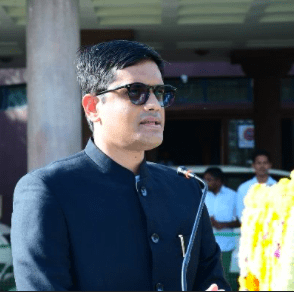
“Our goal is to create an environment where children not only learn but also learn how to learn,” Mr. Atul told Indian Masterminds. “This is about preparing them to thrive in a rapidly changing world.”
BUILDING THE FOUNDATION
A specialized curriculum for the foundational stage has been developed. This curriculum balances education with health and nutrition, allocating 40% to educational skill-building and 60% to health and nutrition. Recognizing the limited educational background of Anganwadi workers (AWTs), the program emphasizes extensive training and mentorship.
Key components of the curriculum include:
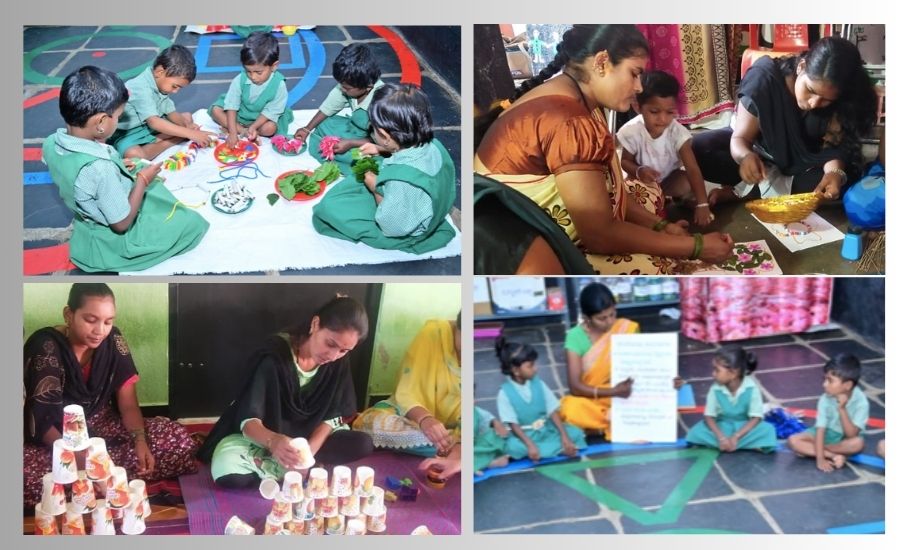
- Daily Activities: Joyful, play-based learning sessions lasting 3.5 to 4 hours.
- Balanced Pedagogy: Free play, storytelling, early literacy, numeracy, and creative activities.
- Training Modules: Seven comprehensive manuals and six compendiums have been developed to guide AWTs in delivering age-appropriate learning experiences.
To ensure effective implementation, 18-day training sessions were conducted for 1,821 AWTs and 1,666 Anganwadi helpers (AWHs). Supervisors received additional training to mentor and monitor the AWTs.
THE PILLARS OF SUCCESS
Infrastructure upgrades have played a pivotal role in creating child-friendly AWCs. These improvements include age-appropriate furniture, hygienic environments, and engaging learning spaces. Importantly, the program has fostered strong community involvement. The “Poshakar Nade Anganwadi Kade” initiative invites parents to actively participate in their child’s learning journey. Parents were oriented through demonstrations and encouraged to observe daily activities at the AWCs.
To maintain continuous engagement, WhatsApp groups were created for parents, covering 27,230 families across 1,960 AWCs. Through these groups, AWTs regularly share updates, enabling parents to replicate activities at home.
Another innovative outreach effort is the “Hello Poshakare” program, which uses SMS alerts to inform and sensitize communities about ECCE and nutrition, with support from UNICEF.
IMPACT
The results have been nothing short of remarkable. The program has directly impacted 1,35,000 children, 27,500 parents, 1,960 AWTs, and 1,936 AWHs. Supervisors and CDPOs have also reported significant improvements in their roles, thanks to enhanced reporting structures and reduced workload.
Key outcomes include:
- Improved Learning Environments: AWCs have transformed into vibrant learning spaces.
- Community Ownership: Parents and community members have taken greater responsibility for sustaining the program.
- Teacher Empowerment: AWTs now feel more confident in delivering the curriculum and managing their centers.
- Broader Coverage: The initiative has successfully reached about 8 to 10 lakh people across Koppal district.
In addition, innovative events like “Anganwadi Makala Shala Praveshotsava” (Graduation Day) and “Balamela”(Children’s Fair) have further enriched the learning experience. These events celebrate milestones and foster a sense of achievement among children.
CONVERGENCE AND SUSTAINABILITY
The success of this programme lies in its convergence of efforts from various departments, including Women and Child Development, Education, and local governing bodies. The district-level ECCE committee, chaired by Mr. Nalini Athul, has played a crucial role in ensuring coordination and resource mobilization.
Primary school teachers have also been involved, visiting AWCs to observe PSE activities and participating in parents’ meetings. This collaboration ensures a smooth transition for children from Anganwadis to primary schools.
“This initiative is not just about today; it’s about shaping the future. By ensuring equal opportunities for all children, we are laying the foundation for a more equitable society,” he emphasizes.
A MODEL FOR REPLICATION
With visits from states like Rajasthan, Meghalaya, Uttar Pradesh, Chhattisgarh, and Andhra Pradesh, the Koppal ECCE model is poised to inspire similar programs across India. The initiative’s holistic approach, combining education, health, and community engagement, offers a replicable blueprint for addressing the nation’s early learning crisis.
As Koppal continues to refine and expand its ECCE program, the focus remains on sustainability and scalability. The district aims to further strengthen its monitoring and mentoring systems, enhance parental involvement, and advocate for fixed funding to sustain child-friendly AWCs.
The ECCE initiative has redefined early childhood education in Koppal. By addressing the holistic development of children, it promises a brighter future for the next generation. This inspiring model underscores the power of innovative leadership and collaborative action in transforming lives.