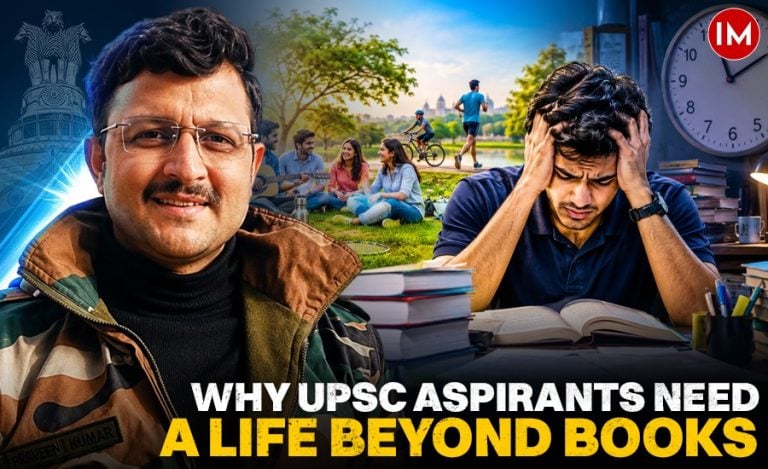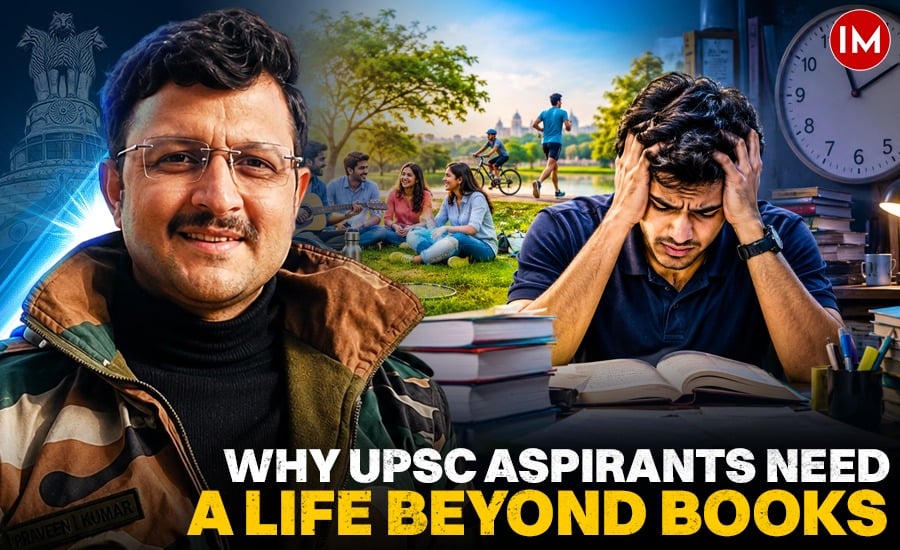
Civil services preparation can take over almost every part of an aspirant’s life, leaving little time for anything beyond books, tests and revision. But does preparing for the UPSC mean giving up everything you enjoy?
Himanshu Tembhekar, a 2024-batch Indian Defence Accounts Service (IDAS) officer currently posted as Assistant Controller of Defence Accounts at PAO Nashik, shares his perspective with Indian Masterminds on why hobbies matter during preparation, how they help aspirants deal with setbacks, and what they can learn from their interests beyond the examination.
1. UPSC preparation demands long study hours and sustained commitment. Why should aspirants make room for hobbies instead of dedicating all their time to studying?
Civil services preparation is a long journey that demands patience, consistency and a lot of hard work. There are days when everything goes according to plan, and there are days when even completing a small target feels difficult.
In this journey, most aspirants focus so much on books, tests and revision that they gradually stop giving time to things they enjoy. I feel that this is where we sometimes go wrong. A hobby is not a waste of time; it is something that helps us continue our journey with a fresh mind.
William Henry Davies wrote:
“What is this life if, full of care,
We have no time to stand and stare.”
I find these lines very relevant to the life of a civil services aspirant. We are so busy preparing for the future that we sometimes forget to enjoy the present. Studying for long hours is important, but taking a little time for ourselves is equally necessary.
The pressure of civil services preparation is not always easy to handle. There is a vast syllabus to cover, constant competition and uncertainty about the result. Sometimes, despite putting in our best efforts, we may feel low or lose motivation. During such times, a hobby can help us relax and regain our focus. Even in personal life, ex-relationship failure and hobbies help us to heal and reset our priorities.
For me, spending some time on activities I enjoy makes a real difference. It gives me a break from the routine and helps me return to my studies with a calmer mind. I believe that instead of feeling guilty about taking a break, we should understand that a refreshed mind can work much better than an exhausted one.
2. Based on your own experience, how have hobbies helped you during civil services preparation, and what have they taught you about dealing with setbacks and maintaining balance?
My hobbies have played an important role in keeping me balanced during my preparation. Poetry writing, singing, birdwatching and wildlife photography are activities that allow me to explore different sides of my personality.
Whenever I feel tired after studying, writing a few lines of poetry helps me express my thoughts and emotions. Sometimes, an idea that comes to mind during an ordinary moment becomes the starting point of a poem. Poetry has helped me become more thoughtful and express my ideas more clearly.
Singing gives me a different kind of relief. Even a few minutes spent singing my favourite songs can improve my mood and help me get back to work with renewed energy.
Birdwatching and wildlife photography have taught me some valuable lessons. Watching a bird patiently, waiting for the right moment to capture a photograph, or simply observing nature makes me realise the importance of patience and attention to detail.
These activities also take me away from my daily routine and help me appreciate the world beyond books. Nature has its own way of teaching us that everything takes time and that some of the best experiences come to those who learn to wait.
I have realised that these hobbies do not take me away from my goal. Instead, they help me stay connected with myself while working towards it.
Another important benefit of having a hobby is that it helps us deal with failure. Civil Services preparation is unpredictable, and not every attempt brings the result we expect. If our entire identity is linked to examination results, setbacks can become difficult to handle.
A hobby reminds us that we are more than our marks, ranks or examination attempts. It gives us something meaningful to return to, even on difficult days. It also teaches us discipline, because enjoying a hobby alongside studies requires us to manage our time wisely.
3. How can hobbies help aspirants develop qualities that are useful beyond the examination?
A hobby also helps us look at things differently. Reading literature helps us understand people and their emotions, writing improves our expression, and photography teaches us to observe even the smallest details. These experiences gradually shape our thinking.
This is particularly important for a civil services aspirant because the examination is not just about remembering facts. It also requires us to understand society, analyse problems and look at issues from different perspectives. Hobbies can help develop these qualities in ways that textbooks alone cannot.
The popular dialogue from 3 Idiots comes to mind:
“Be capable, and success will follow.”
For me, becoming capable means developing not only knowledge but also patience, creativity, empathy and the ability to handle difficult situations. Hobbies contribute to this growth.
A hobby may seem like a small part of our daily routine, but its contribution to our overall development can be significant. It helps us think better, remain emotionally balanced and see life from a wider perspective.
After all, we are preparing not just to clear an examination but to take on responsibilities that require us to understand people and their problems. Along with knowledge, we need sensitivity, creativity and a balanced outlook.
Books may prepare us for the examination, but our experiences, interests and hobbies help shape the person we become along the way.
4. The UPSC Personality Test includes questions about candidates’ hobbies and interests. How should aspirants approach the hobbies section of their Detailed Application Form (DAF), and what should they keep in mind while preparing for related questions?
The hobbies section of the DAF should reflect genuine interests, not just activities that sound impressive. Aspirants should be prepared to explain why they enjoy a particular hobby, share personal experiences, and understand its basic concepts, current developments, and wider relevance.
The key is to be authentic, avoid memorised answers, and remain comfortable admitting when they don’t know something. After all, the Personality Test is about understanding the person behind the application, not testing how much information they can memorise.
5. How can aspirants decide how much time to devote to hobbies, particularly when they are struggling to complete their syllabus or manage revision?
I believe hobbies should be treated as a means of maintaining balance, not as a competing priority. When the syllabus is incomplete or revision is pending, aspirants can keep hobbies to a limited amount of time; even 15–20 minutes a day can be enough to refresh the mind.
The important thing is to be flexible. During intensive preparation, reduce the time spent on hobbies rather than abandoning them completely. Once the workload becomes manageable, you can give them more time.
Ultimately, hobbies should help you sustain your preparation, not distract you from it. The aim is not to choose between studying and living, but to create a balance that makes the long journey of civil services preparation sustainable.