Inside Jharkhand’s Palamau Tiger Reserve, conservation has evolved beyond wildlife protection. It is now about managing water systems, restoring habitats, and building shared responsibility between forest officials and communities.
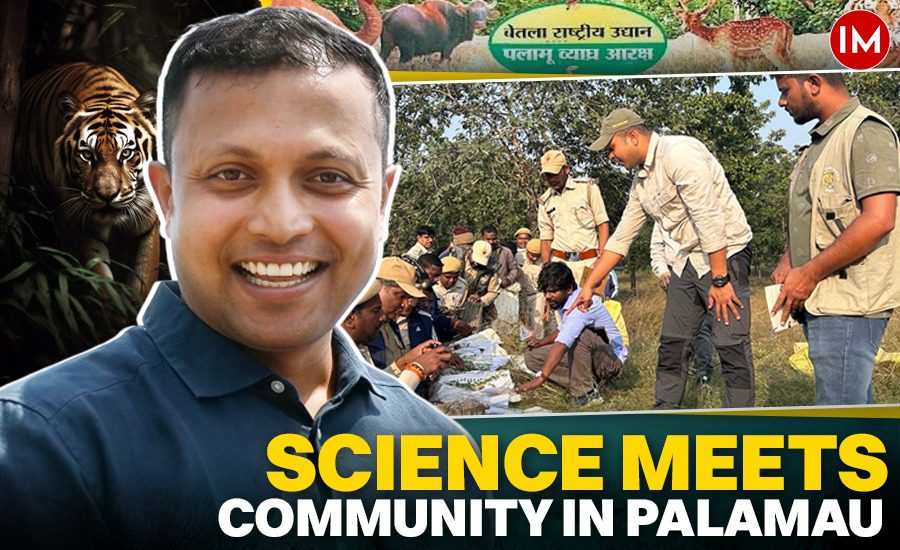
In a detailed video interaction, 2017 batch Jharkhand cadre IFS officer, Prajesh Kanta Jena, Deputy Director (North), describes how this shift began with a hard reality check.
Watch the interview here:
“When I took charge, the biggest conservation challenge was water,” he says. Seasonal streams were drying up early. Wildlife movement was affected. Villages around the reserve were facing similar stress. Without water security, habitat recovery would remain incomplete.
SCIENCE BEFORE STRUCTURES
Rather than opting for isolated fixes, the administration turned to scientific ridge-to-valley watershed treatment.
“Unless the entire watershed is treated systematically, from the ridge down to the valley, interventions won’t last,” Mr. Jena explains.
Soil and moisture conservation measures, contour trenches, check dams, and vegetative interventions were planned after mapping and field validation. The focus was not merely on constructing assets but on understanding how water flows and how landscapes retain it.
Gradually, streams began holding water longer into the summer months. Ground moisture improved. Waterholes for wildlife became more reliable.
CONSERVATION ROOTED IN COMMUNITY
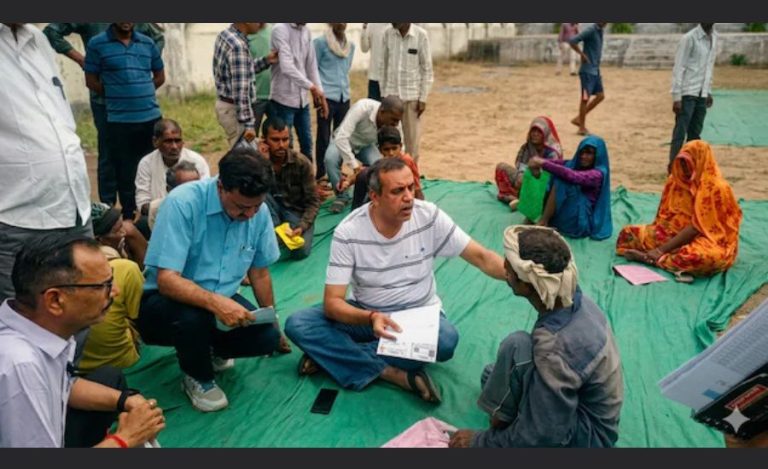
But science alone could not secure long-term change. Community participation was made the foundation of the strategy.
The Voluntary Watershed Conservation initiative encouraged villagers to participate willingly, not as beneficiaries but as stakeholders. “When people see direct benefits, water for their fields and livestock, they naturally protect the resource,” Mr. Jena says.
To strengthen this connection, the “Water Warriors” programme was launched. Local volunteers now monitor water bodies, help maintain conservation structures, and act as a bridge between forest staff and communities.
“The quality of conservation improves when communities see themselves as guardians,” he adds.
RESTORING GRASSLANDS, STRENGTHENING HABITAT
Water security was paired with habitat restoration. Grassland development was prioritised to support prey species critical for tiger survival. Native grasses were promoted, degraded patches restored, and habitat continuity improved.
Administrative decisions, such as streamlining approvals, coordinating departments, and ensuring scientific execution, enabled these interventions at scale.
When asked to define the Palamau approach in one line, Mr. Jena offers clarity: “Science guides us, governance enables us, and communities own the outcome.”
From watershed planning tables to forest streams and grasslands, Palamau’s story shows how conservation succeeds when people and policy move in the same direction.