“Hardships often prepare ordinary people for an extraordinary destiny.” – C.S. Lewis
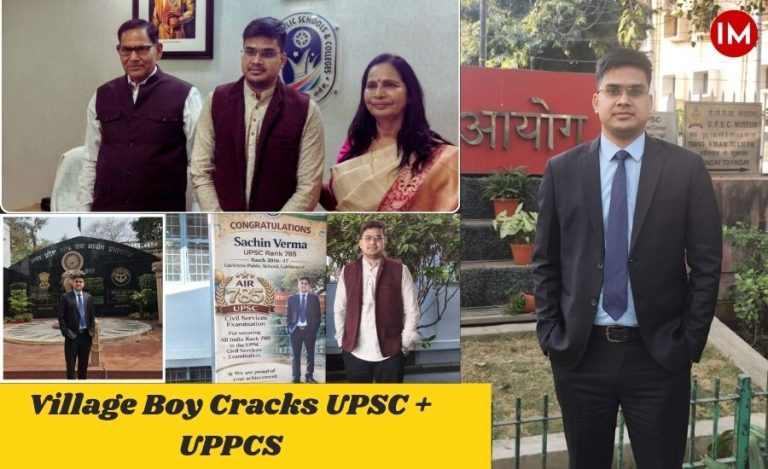
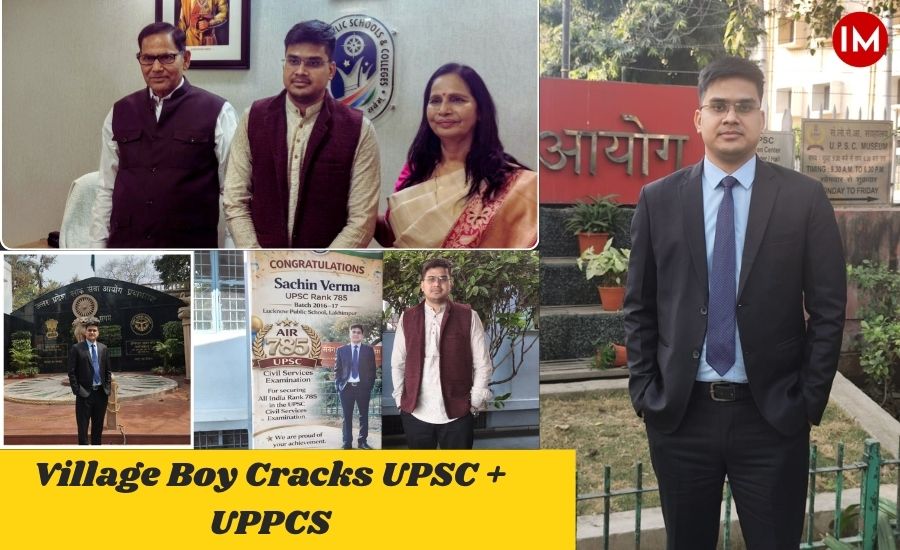
Coming from a very rural and remote background, even dreaming of clearing UPSC can feel impossible. But if you are Sachin Verma, nothing is truly out of reach. Despite repeated failures, societal pressures, and unimaginable hurdles, he achieved what few can: cracking the UPSC CSE and UP’s top state civil exam in the same year – a feat rarely accomplished.
Born into a humble farming family, Sachin did not inherit privilege, elite networks, or an easy path. What he inherited was discipline, simplicity, and an unshakable belief that hard work eventually pays off. For nearly six years, he stayed in one of India’s toughest examination cycles, facing repeated disappointments, interview-stage heartbreaks, social scrutiny, uncertainty, and the emotional fatigue only long-term aspirants truly understand. Yet he never stopped.
In 2026, his perseverance bore fruit: All India Rank 785 in UPSC CSE. Alongside this, he also secured Rank 34 in UPPCS-2024, earning selection as Block Development Officer (BDO).
Sachin’s story is not just about exams. It is about staying in the race when results test your confidence, when society asks uncomfortable questions, and when success seems endlessly delayed despite relentless effort.
Indian Masterminds spoke with Mr Verma to uncover his inspiring journey and learn how he achieved this remarkable double success.
His Background: A Humble Beginning Rooted in Simplicity
Sachin hails from Bhouwapur Kalan village in Dhaurahara tehsil of Lakhimpur Kheri, one of the economically backward districts of Uttar Pradesh.
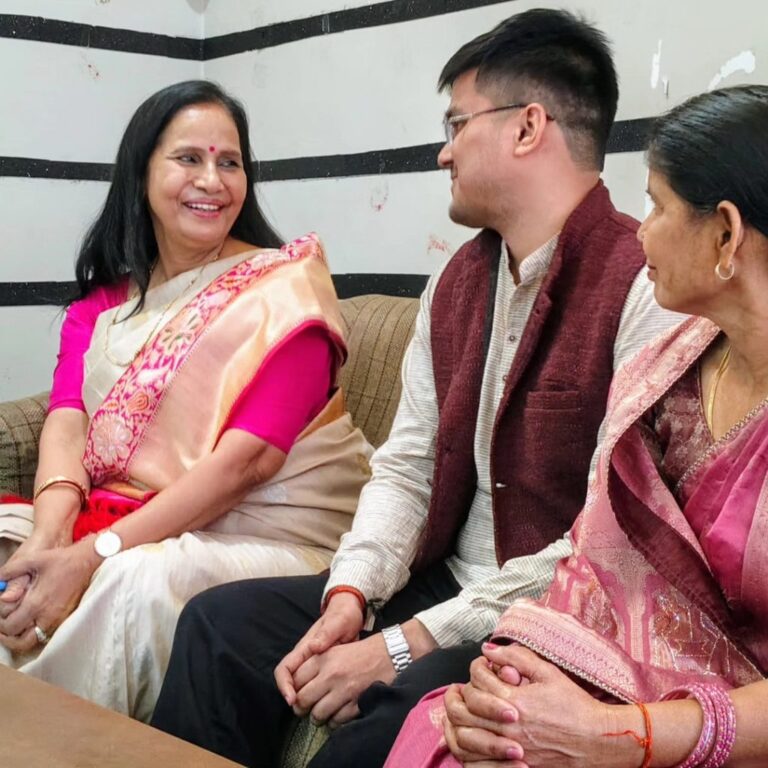
His father, Jagdish Verma, is a farmer, while his mother is a homemaker. Agriculture shaped the family’s routine, values, and discipline, but despite limited resources, education remained a top priority in the household.
He began his schooling locally, studied at Lucknow Public School, and completed Class 12 in 2017 with around 95% marks, an achievement that opened the door to higher academic opportunities.
His strong academic record earned him admission to Hindu College, where he pursued a B.A. degree from 2017 to 2020.
For a student from rural Uttar Pradesh, entering Hindu College was not just an academic achievement but also a significant social leap.
Delhi Years: Where the Civil Services Dream Began
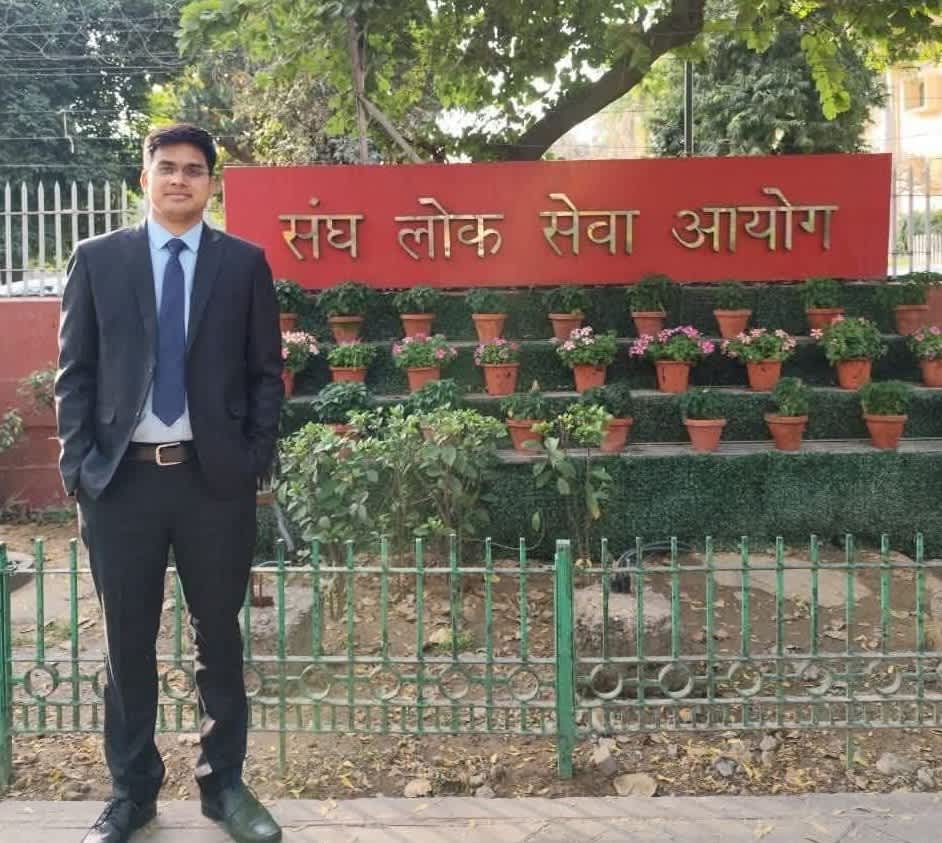
During his graduation in Delhi, Sachin first came close to the UPSC preparation ecosystem. Living near Mukherjee Nagar, he naturally became familiar with the civil services exam culture.
In 2020, during his final year, he joined weekend coaching classes while continuing college. However, the COVID-19 pandemic disrupted his preparation, forcing him to return home as offline classes stopped and his study routine broke.
Journey So Far: Every UPSC Attempt, Every Stage, Every Learning
Sachin’s UPSC journey was long, layered, and full of difficult turns. He has taken five attempts so far.
In 2021, he gave his first UPSC attempt without serious preparation, mainly to understand the nature of the examination. He could not clear prelims, but the attempt helped him understand the exam process better.
In his second attempt in UPSC CSE-2022, he again could not clear prelims.
In his third attempt in UPSC CSE-2023, he reached the interview stage but could not make it to the final list. The setback was painful because reaching the interview stage naturally raises hope for final selection.
In 2024, during his fourth attempt, he once again reached the interview stage but failed to cross the final hurdle. This repeated near-success tested his emotional endurance even more than his academic ability.
However, he did not lose courage and refused to stop. In his fifth attempt, UPSC CSE 2025, he finally cracked the examination and secured AIR 785.
Parallel UPPCS Journey: Backup That Became a Major Achievement
While continuing UPSC, Sachin simultaneously entered UPPCS. This was not easy because state-specific preparation demands additional layers.
UPPCS Attempt Timeline
- 2022 — First attempt – Could not crack prelims
- 2023 — Second attempt – Reached interview stage
- 2024 – Third attempt brought final success
This time he secured: Rank 34 in UPPCS.
Balancing UPSC and UPPCS Journey: Why It Was Extremely Difficult
Sachin clearly says preparing both together is harder than many people assume.
UPSC already consumes a full yearly cycle.
UPPCS adds extra demands:
- Hindi paper
- Uttar Pradesh-specific papers
- UP Special Paper 1
- UP Special Paper 2
For an English-medium aspirant, Hindi became a real challenge.
He said, “Earlier preparation was UPSC-centric, but UPPCS required a completely different additional layer.”
Time management became the biggest struggle.
He admits that if he had given more dedicated time to UPPCS-specific papers, rank could have improved to SDM range.
Still, securing BDO while preparing UPSC remained a major achievement.
The Biggest Struggle: Social Pressure Was Harder Than Syllabus
Sachin says his biggest struggle was not motivation. He remained motivated internally.
The hardest part was: Societal pressure
Coming from a small-town environment, everyone knew he was preparing.
Every result season brought calls.
People asked:
- “Exam diya?”
- “Selection hua?”
- “Interview ka kya hua?”
Especially after two interview-stage failures, those questions became emotionally difficult.
He said, “When you go to village, people ask again and again. That pressure becomes very heavy.”
His advice to new aspirants: Do not publicly announce preparation too early. Protect your mental space.
Preparation Strategy: What Actually Worked
He began his civil services preparation seriously in Oct–Nov 2021. His optional subject was Anthropology. Though his graduation subjects were History and Political Science, he chose Anthropology because its science component matched his Class 12 background and interested him. Sachin strongly emphasizes one principle in preparation: making your own notes is non-negotiable.
According to him:
- Too many sources destroy focus
- One or two coaching sources are enough
- Compile notes according to syllabus
- Rewrite in your own language
- Revise repeatedly
He says market material is endless, but memory forms only when content becomes personal.
Prelims Strategy: PYQ Analysis as the Core
He strongly relied on: PYQ (Previous Year Questions) analysis
His logic: UPSC questions are no longer purely factual.
They are conceptual. Options demand elimination skill.
So aspirants must:
- understand pattern deeply
- build conceptual clarity
- improve option elimination
- practice speed and accuracy
He said, “If 70–80 marks come from solid preparation, remaining marks come through smart work.”
Mains Strategy: Writing Speed and Structured Notes
For mains, his emphasis was:
- Regular answer writing
- Mock tests
- 20 questions in 3 hours practice
- Revision over expansion
He believes notes directly improve recall during answer writing because handwritten structure builds page memory.
Interview Strategy: Newspaper + Mirror Practice + Discussion
His interview preparation included:
- Reading The Hindu
- Reading The Indian Express
- Group mock discussions
- Mirror speaking practice
- Self-observation
He even practiced speaking to digital tools for confidence building.
This finally contributed to: 190 interview marks
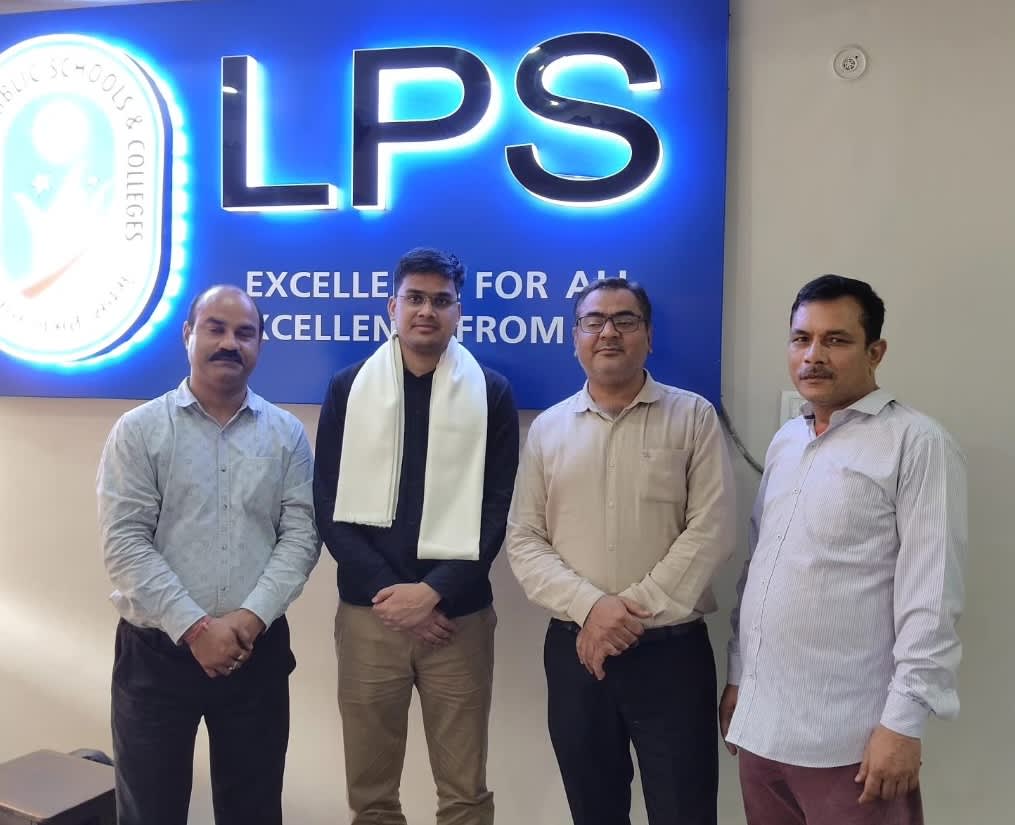
Interview Questions: What UPSC Asked Him
His interview covered both current affairs and ethical administration.
Major questions included –
- On United States and Venezuela geopolitical issue
- Why United Nations appears weak
- How UN reforms are possible
- How AI can reduce corruption
- How AI can improve governance transparency
- Officer posting reforms
- View on bulldozer and encounter policies in Uttar Pradesh
- If an illegal order comes from above, what would you do as DM?
He says interview board primarily checked –
- balance
- legality
- ethical firmness
- administrative temperament
Three Things He Considers Most Important for Success
1. Consistency Even 4–5 focused hours daily matter more than irregular intensity.
2. Patience: This exam rejects far more people than it selects.
3. Smart Work: Hard work alone is insufficient without awareness and analysis.
Message for Aspirants: Enter Wholeheartedly
His strongest message: Enter this exam 100 percent. Half-hearted preparation does not survive today’s competition.
He warns against:
- blindly following toppers
- chasing too many sources
- reading endlessly without revision
Instead: Build your own strategy.
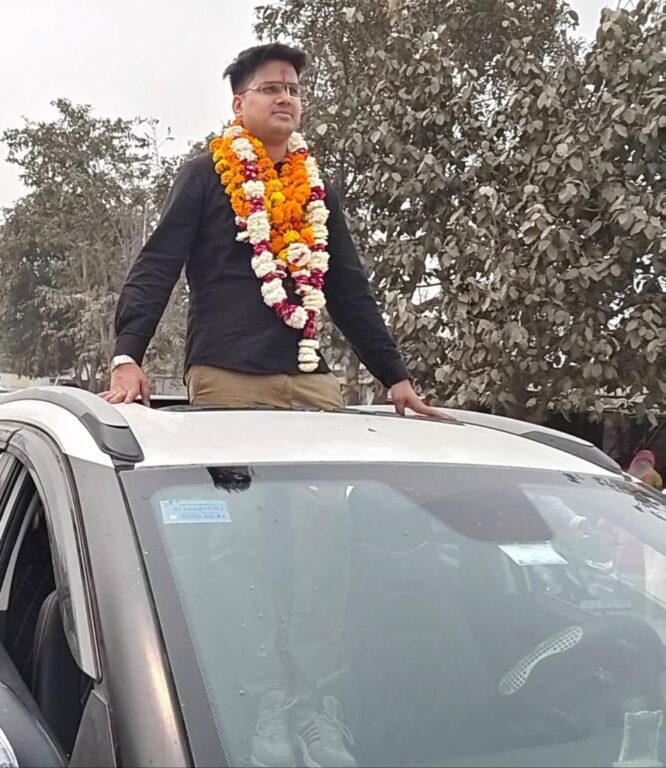
Why Sachin Verma’s Story Matters
Because this is not a one-attempt miracle.
It is a story of:
- village roots
- Delhi struggle
- repeated interviews
- emotional pressure
- strategic correction
- backup success
- final breakthrough
And perhaps most importantly—
it proves that delayed success often carries the deepest maturity.
For countless aspirants sitting today with uncertainty, Sachin Verma’s journey quietly says: Stay longer than your doubt. Your turn may simply be taking time.