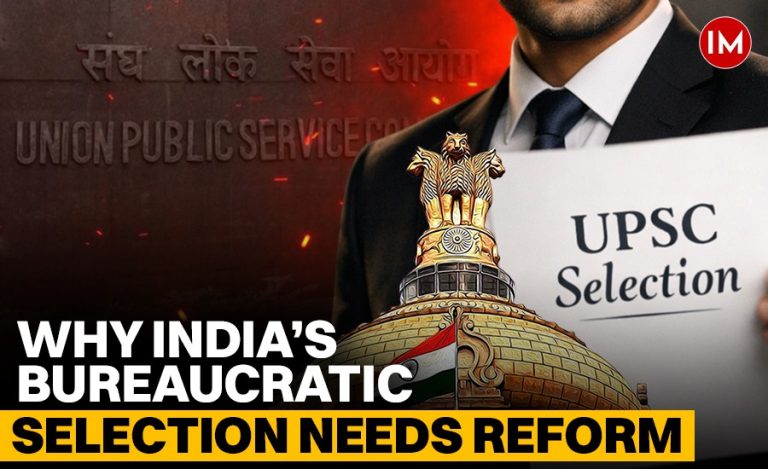
The long-standing debate over whether UPSC interviews are biased has resurfaced again. A recent written reply in Parliament, addressing alleged discrimination during the interview stage of the Civil Services Examination, has put the issue back into national discussion.
The Union Government’s reply stated unequivocally that the UPSC interview and personality test process is “completely free from bias.” The clarification, however, comes amid periodic apprehensions expressed by aspirants, many of whom question the transparency and impartiality of the interview system – a stage known to significantly influence a candidate’s final rank.
To understand the reality behind this debate, Indian Masterminds spoke with several successful candidates and former officers, who shared contrasting experiences and insights.
Government’s Stand: “The System is Free From Bias”
In its statement, UPSC informed the government of several safeguards intended to ensure fairness –
Randomized Allocation of Interview Boards
According to UPSC, candidates are allotted to different interview boards through a computer-based randomization process. This randomization takes place just before interviews begin each day, making any deliberate selection or preference impossible.
No Disclosure of Category or Written Marks
The Commission also emphasized –
- Candidate categories (SC/ST/OBC/EWS/General) are not disclosed to the interview board.
- Marks obtained in the written exam are also withheld.
- The identity of the board members is not revealed to candidates.
UPSC concluded that since boards do not know the candidate’s category or written marks, “the question of discrimination or bias in interview does not arise.”
But is this what actually happens on ground?
Voices from the Ground: Aspirants Share a Different Picture
To explore this, Indian Masterminds spoke with successful candidates, some of whom raised concerns that contradict the official version.
“This is straight up wrong.” – UPSC Topper Ketan
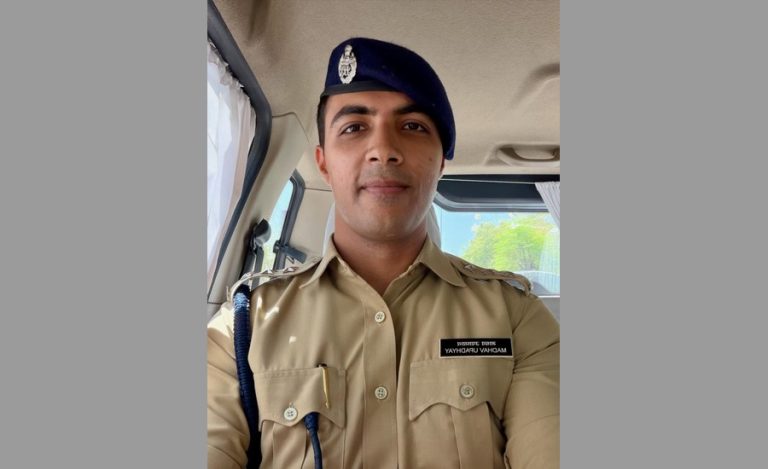
One such voice is Mr. Ketan, who cleared UPSC in 2015 but is currently entangled in legal battles after being denied service allocation. His experience, he says, exposes serious flaws in the system.
“This is straight up wrong. The interview board DOES know the caste and religion of the candidate. It’s right there in the Detailed Application Form they have in front of them.”
He argues that if UPSC genuinely wants to eliminate bias, merely stating there is no discrimination isn’t enough.
“If UPSC wants to avoid any question of bias, the process should LOOK neutral too. The board should get only the roll number – not even the name. In India, caste and religion can be guessed from the name alone.”
DAF Contains Caste & Religion, Claims Ketan
Explaining further, Ketan says the Detailed Application Form (DAF) clearly reveals sensitive information.
“Yes, the DAF contains clear information, including caste and religion. So the reply given in Parliament is completely misleading.”
He believes UPSC should issue a clarification –
“They have accidentally written a somewhat misleading sentence. They should issue a corrigendum.”
Category-Based Interview Scheduling
Ketan even also pointed out a system pattern noticed by aspirants, “Interview calls are scheduled by category. For example, on a given day, only SC category candidates will appear. On another day, only General category candidates.”
He said even aspirants commonly observe that –
- SC candidates appear on the same day with other SC candidates
- OBC candidates on another day
- General category candidates on a separate day
Although UPSC never officially states this policy, aspirants say it’s evident when they arrive at Dholpur House.
“So yes, the chances of bias are definitely there. The interview depends mostly on the wisdom of the board, and there is no separate system to eliminate bias.”

“Faceless Interview Is the Solution” – Ketan’s Suggestion
For eliminating discretion-based bias, Ketan suggests a reform –
“Many State Public Service Commissions have implemented faceless interviews. Chhattisgarh did it recently – the interviewers knew NOTHING about the candidates except their education.”
He believes the UPSC can easily adopt the same system –
“If states can do it, the Centre can do it too. If the UPSC itself claims that the board knowing caste affects fairness, then obviously this system should be implemented.”
Another Aspirant Speaks: “UPSC knows everything.”
Another candidate, who requested anonymity, supported Ketan’s concerns.
“It’s not fully true. UPSC does know everything. But yes, there are ways to make the process better.”
He also pointed to the Chhattisgarh PSC faceless model as a modern reform –
“In Chhattisgarh, the interviewers knew nothing except the candidate’s educational background. Such systems can reduce bias.”
Ex-IRS Officer Weighs In: “UPSC Interview Depends Entirely on Luck”
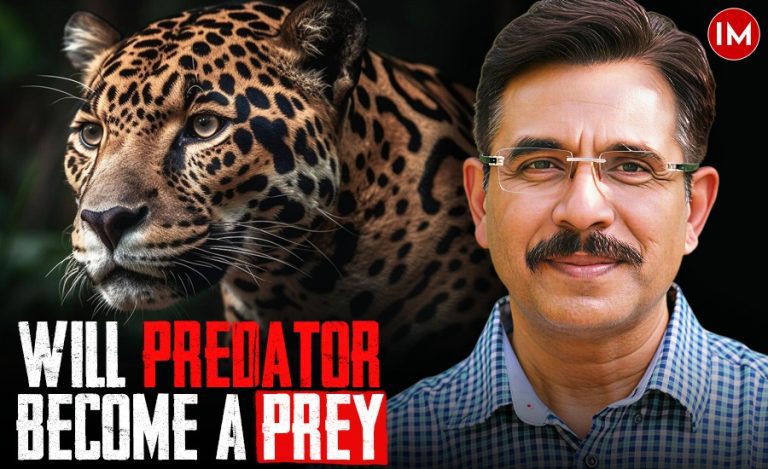
For a veteran perspective, Indian Masterminds spoke with Former IRS officer Anjani Kumar Pandey, who was blunt in his assessment.
“How can anyone show their personality in 15–20 minutes?”
Mr Pandey argues that the personality test — often considered the most subjective stage — cannot reliably assess a candidate.
“What kind of performance can anyone give in 15-20 minutes? How can someone display their true personality in that time?”
He emphasizes that since even a single mark can change rank dramatically, the system must be completely unbiased.
“People have scored 200 marks just by singing a song.”
He recalled several controversial instances –
“I remember a candidate who got over 200 marks. The chairman of his board was from his own city.”
Drawing from years of observing the exam, he claims, “The UPSC interview has always been biased. The degree of bias may vary, but bias exists.”
How the Interview Really Happens at Dholpur House
To understand the process objectively, here is how interviews are formally conducted –
Location
All interviews take place at Dholpur House, popularly called UPSC Bhavan.
Multiple Panels
- Each day, six to eight interview boards operate.
- Each board is headed by a chairperson.
- Candidates informally identify boards by the chairperson’s name (e.g., “Manoj Soni’s board”).
- Subject experts assist the panel.
Data Provided to Boards
UPSC states that board members receive only the DAF, which includes –
- Academic history
- Optional subject
- Work experience
- Extracurriculars
But not the candidate’s –
- Social category
- Written exam marks
- Randomization
UPSC reiterated that the assignment of candidates to panels is generated just before the interview starts.
This ensures –
- Coaching centres cannot predict boards
- No candidate knows the board in advance
- No official can influence allotment
The Contradiction: Policy vs. Perception
The debate essentially boils down to two contrasting realities –
UPSC’s Claim
- Boards do not know caste or religion
- Process is randomized
- Interviews are free from bias
Aspirants’ Experience
- The DAF reveals caste/religion
- Interview days appear category-based
- Bias (intentional or unintentional) is possible
- Reforms like anonymous/faceless interviews could help
The Debate Is Far From Over
The government may have declared the UPSC interview process free from discrimination, but the experiences shared by aspirants and former officers suggest deeper structural issues.
While UPSC maintains that randomization and limited disclosure eliminate bias, candidates argue that information in the DAF and category-based scheduling leave room for discrimination, even if unintentional.
Reforms like faceless interviews, already adopted by several states, may offer a middle ground – ensuring both transparency and fairness.
For now, however, the UPSC interview remains a subject of intense debate, with fairness depending as much on perception as on procedure.