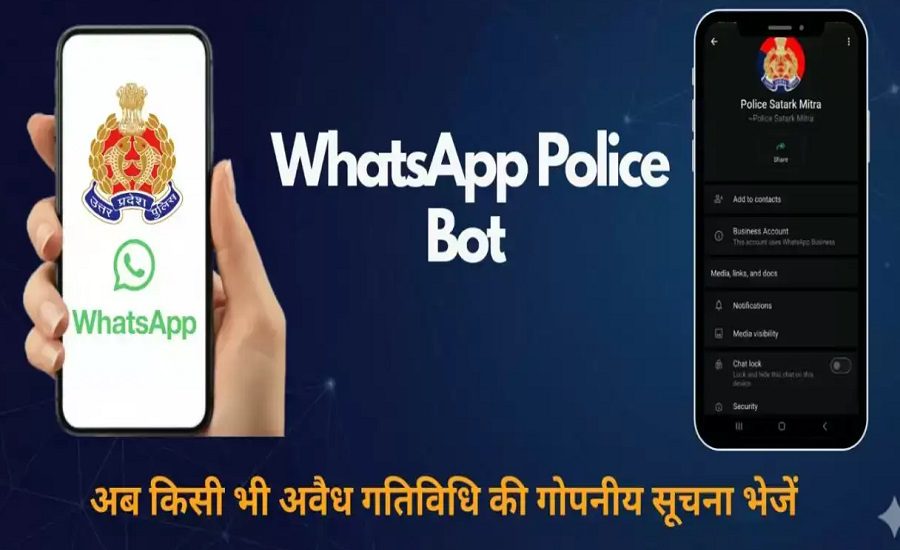
In a major step towards citizen-centric and technology-driven policing, residents of Jaunpur, Ghazipur and Chandauli districts can now report crimes anonymously through a newly launched WhatsApp chatbot by the police department. The initiative, named ‘Police Satark Mitra’, is designed to eliminate fear, ensure confidentiality and encourage citizens to actively participate in curbing crime across the Varanasi Range.
The system allows people to report a wide range of offences – from cattle smuggling and illicit liquor trade to drugs, organised crime, and crimes against women – without revealing their identity at any stage.
Indian Masterminds interacted with Mr Vaibhav Krishna, DIG of the Varanasi Range, to learn more about his initiative, the aim behind it, and how it works.
Two-Pronged Initiative: Technology Meets Public Trust
The initiative focuses on two core objectives – First, leveraging modern digital tools to make crime reporting simple and accessible; and second, removing the long-standing fear among citizens of being identified or harassed after sharing sensitive information with police.
Mr Krishna said that fear of exposure often discourages people from reporting illegal activities despite having crucial information. Police Satark Mitra addresses this gap by guaranteeing complete anonymity while ensuring swift police action.
Brainchild of DIG Vaibhav Krishna
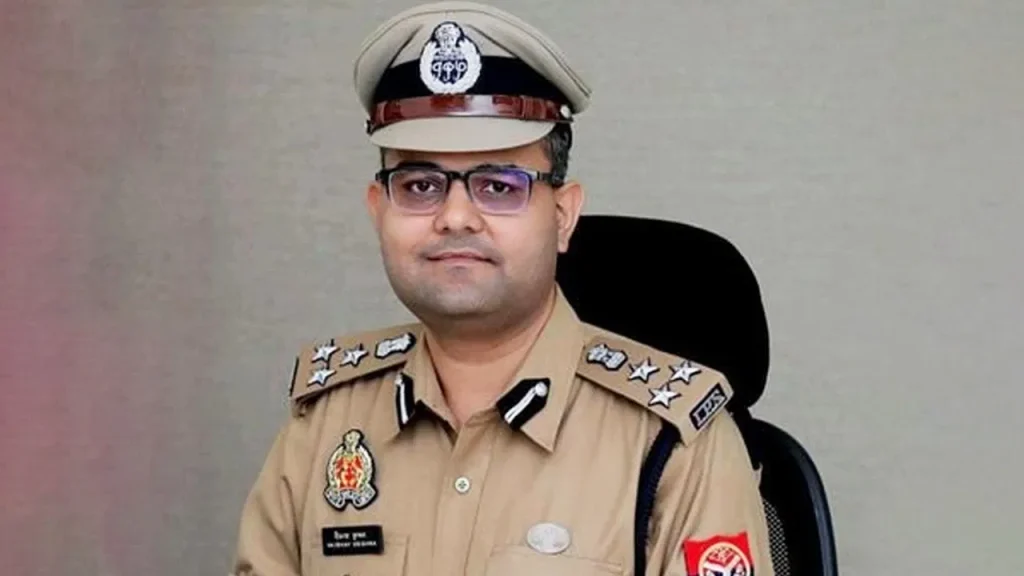
The WhatsApp-based system was conceptualised and operationalised by IPS officer Vaibhav Krishna, Deputy Inspector General of Police, Varanasi Range. Developed under his direct supervision, the chatbot currently covers all three districts of the range – Jaunpur, Ghazipur and Chandauli.
Speaking about the motivation behind the initiative, DIG Krishna said, “Ordinary people are afraid of the police. If they share sensitive information, they fear that their identity will be revealed and they may land in trouble or make enemies. This system is designed so that the police cannot obtain the mobile number or any personal details of the informant, even if they want to.”
How the WhatsApp Bot Works
Using the system is intentionally simple. A citizen only needs to send a WhatsApp message – even a single word like ‘Hi’ – to 7839860411 or scan the QR code shared by the police.
Once activated, the bot automatically –
- Asks the user to choose a preferred language
- Guides them through category-based questions
- Collects information related to the location and nature of the offence
- Accepts text, audio messages, photographs and videos
“It is a WhatsApp bot. Whatever you write, it automatically interacts with you – asking what you want to report, the language you prefer, and the area related to the information,” Mr Krishna explained.
Wide Range of Crimes Can Be Reported
The chatbot allows reporting of multiple offences, including –
- Cow smuggling and slaughter
- Illicit liquor and drug trafficking
- Illegal arms trade
- Gambling and prostitution
- Human and child trafficking
- Forced religious conversions
- Illegal spas and mining
- Vehicle overloading and extortion
- Crimes against women and eve-teasing hotspots
- Even police corruption
The system is also useful for sharing CCTV footage or visuals related to serious crimes such as murder, robbery, or chain snatching.
Backend Dashboard Ensures Accountability
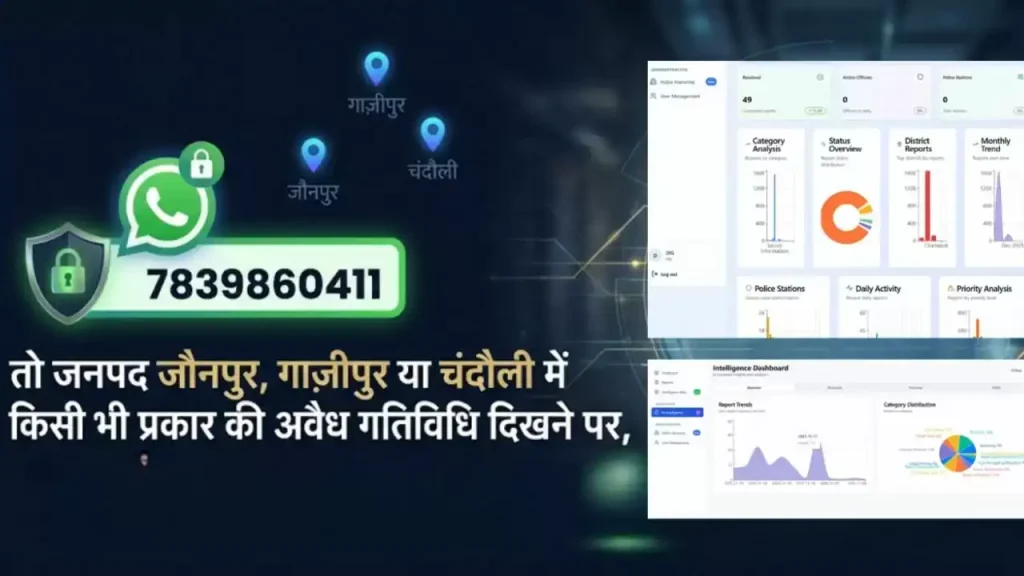
To complement the public-facing bot, DIG Vaibhav Krishna also introduced a dedicated backend dashboard at both district and range levels. This enables senior officers to –
- Analyse crime hotspots
- Compare police station-wise data
- Conduct weekly, fortnightly and monthly trend analysis
- Classify inputs based on sensitivity and evidence
Once action is taken, officers upload feedback into the system, which triggers an automated response to the informant.
“When action is taken, the informant automatically receives a message. This builds confidence that their information is being acted upon,” the DIG said.
Tackling False Reports with Vigilance
Addressing concerns about misuse of anonymity, Vaibhav Krishna acknowledged that false reports may occur but said safeguards are in place.
“Naturally, false reports can come in. But there is an option to filter and reject them. With time, we will become more vigilant and the system will improve,” he noted.
Encouraging Early Response from the Public
The initiative was launched on June 20, and officials said the response so far has been encouraging. A Noida-based technology company developed the system in collaboration with the police, using Meta’s messaging services for secure communication.
Senior officials described Police Satark Mitra as a reflection of modern policing – combining technology, anonymity and accountability with a citizen-first approach.
Residents of Jaunpur, Ghazipur and Chandauli have been urged to actively use the WhatsApp bot and partner with the police in eliminating illegal activities from the region.