Opened in 2008, Sanjay Tiger Reserve has been dealing with man-wildlife conflicts since then, like any other wildlife reserve of India. No amount of human settlement relocation could prevent leopard-human clashes in the area, which were increasingly becoming a nuisance for everyone. That’s when Forest Range Officer Mahavir Pandey decided to step up and take some necessary measures.
In an exclusive conversation with Indian Masterminds, Mr. Pandey shared details about his efforts to halt leopard-human conflict in Sanjay Tiger Reserve.
A NEED
Only 17 of the 54 communities settled on the reserve’s outskirts have been able relocate to other regions so far, with another 10 in the process. As the number of big cats increases due to protection, the surviving villages that exist between the forests risk tremendous conflict.
This resulted in a terrible accident on November 24, 2022, when a 5-year-old tribal child was killed by a leopard. A month later, on December 24, 2022, another 5-year-old child was killed by a leopard within a 5-kilometer radius of the previous occurrence.
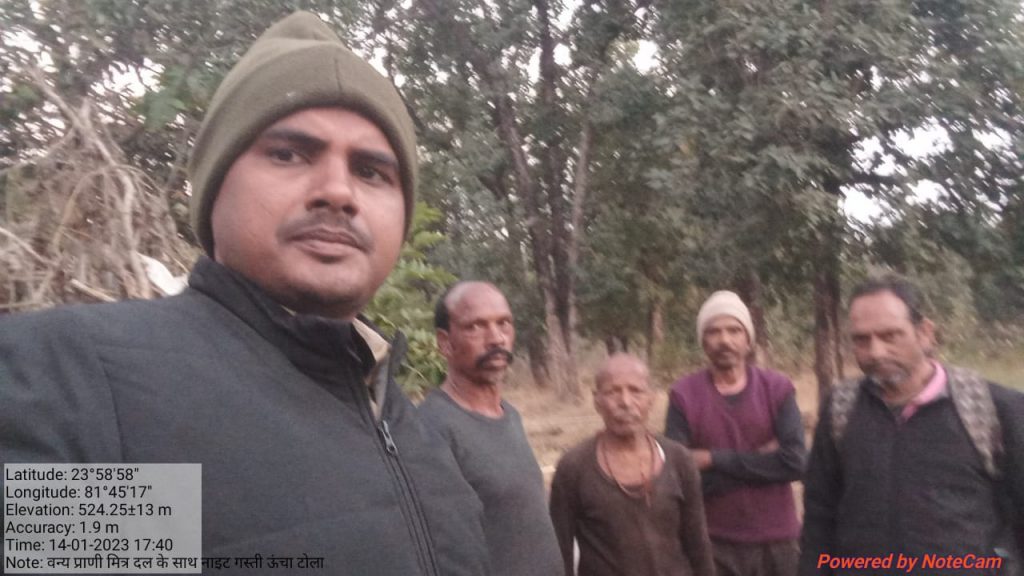
“Both the incidents shocked the villagers to the core. Our team set on to analyze the movement of the leopards and we understood that their movement trail directly leads to the villages, which had been proven dangerous. We immediately knew that we had to take proper and immediate action to stop the conflicts before things go out of hand,” Mr. Pandey told Indian Masterminds.
PREVENTION
Following the initial sorrowful occurrence, Mr. Pandey placed two large cages at the entrance of the village settlements, which were camouflaged, and a goat was kept inside as bait. Finally, the leopard was apprehended and released back into the wild. As the forest staff and villagers breathed a sigh of relief and removed the cage traps, the second event occurred just a month later, which caused concern for everyone.
“There was no electricity in the area, and as we approached the scene, we were ambushed by a big number of drunk tribals who were determined to harm us. We managed to escape and save ourselves, but it was evident that we needed to take substantial action to put an end to these fights since we could sense the villagers’ rage and disappointment,” he stated.
SUSTAINABLE STEP
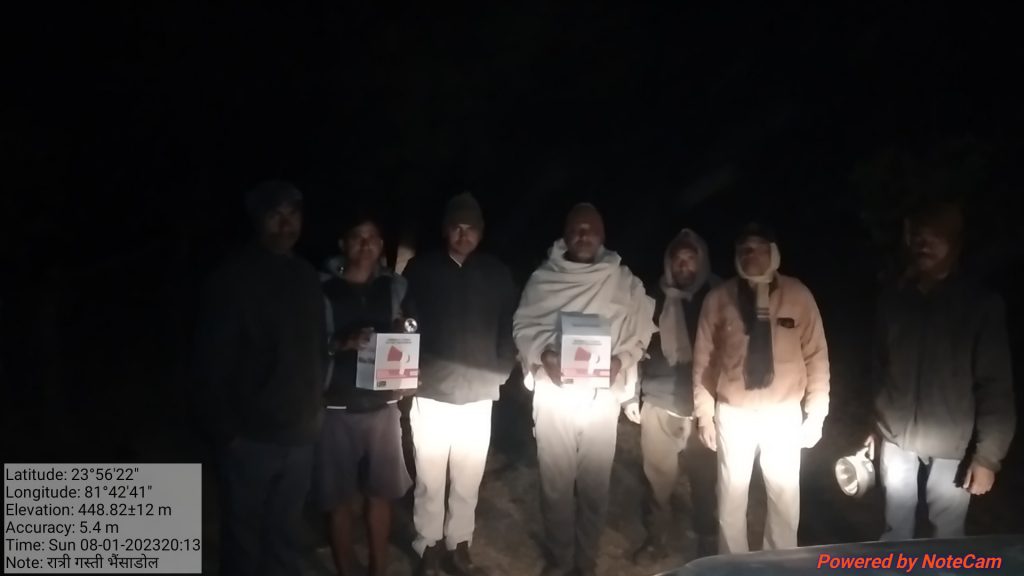
First and foremost, the forest department established a dedicated team for man-animal conflicts, which began spreading awareness about the issue. Sirens were supplied to every household in the village, and they were instructed to use them if they saw a large cat.
The following stage was to conduct a survey and identify the areas that were hotspots for similar incidents. They were mostly houses that were dark and had small children residing in them. Mr. Pandey and his colleagues then erected solar street lights throughout the region and developed PIP based on the data they collected.
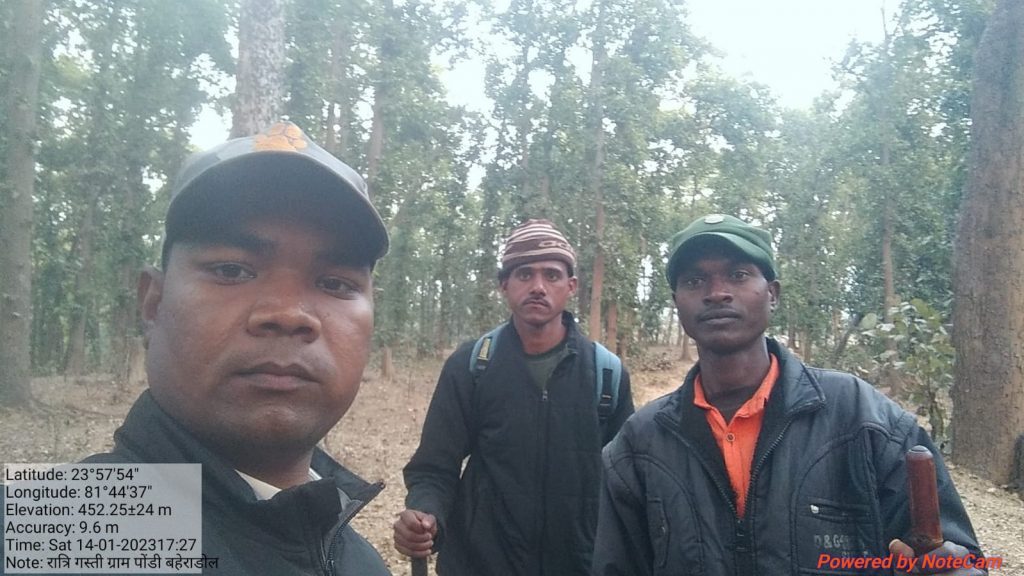
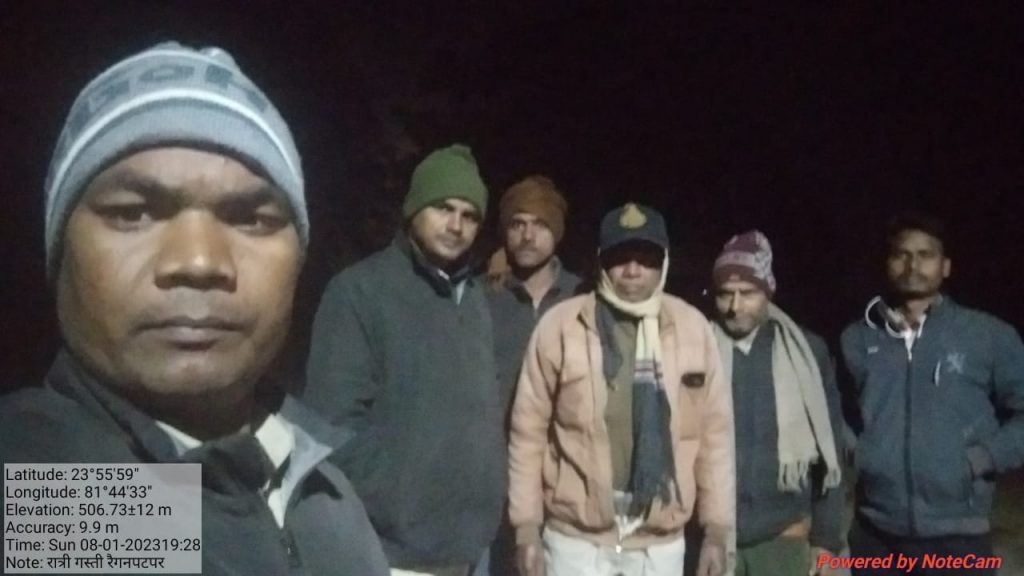
“This assisted us in identifying leopard-prone areas, which led to increased patrolling. We walked around the entire property, inspecting every nook and cranny of the areas that were prone to leopard movement,” he shared.
TENDUA MITRA DAL
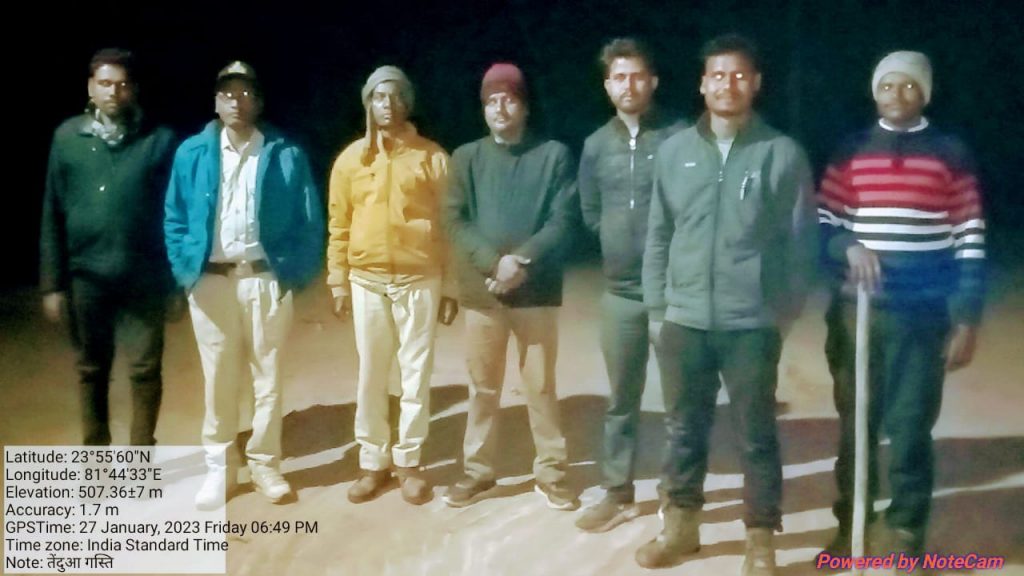
Furthermore, the officer established Tendua Mitra Dals which were in charge of walking door to door and keeping a check on residences with little children, as they were easy prey for the animals.
They also discovered leopard footprints and forwarded the information to the department, which concentrated on protecting the specific areas.
“After examining the high-risk zones, we put camera traps in the areas and photographed the leopards. We cannot rescue leopards from the reserve and transport them elsewhere because we are so focused on leopard conservation. Yet, the urgency of the hour prompted us to take some action,” he told Indian Masterminds.
INSTALLING CAGES
Given the severe circumstances, Mr. Pandey and his team built up enormous camouflaged cages and used camera traps to photograph leopards heading towards local settlements. Within one month, they were able to catch four leopards, which were subsequently returned to the Tiger Reserve and released.
The relocation proved incredibly advantageous, as no additional leopards were recorded in the camera traps or cages set up near the village communities.
“We also established temporary machans in all the vulnerable areas which helped our patrolling guards to keep a close eye on the area,” Mr. Pandey said.