23 November 2026
ADVERTISEMENT
ADVERTISEMENT

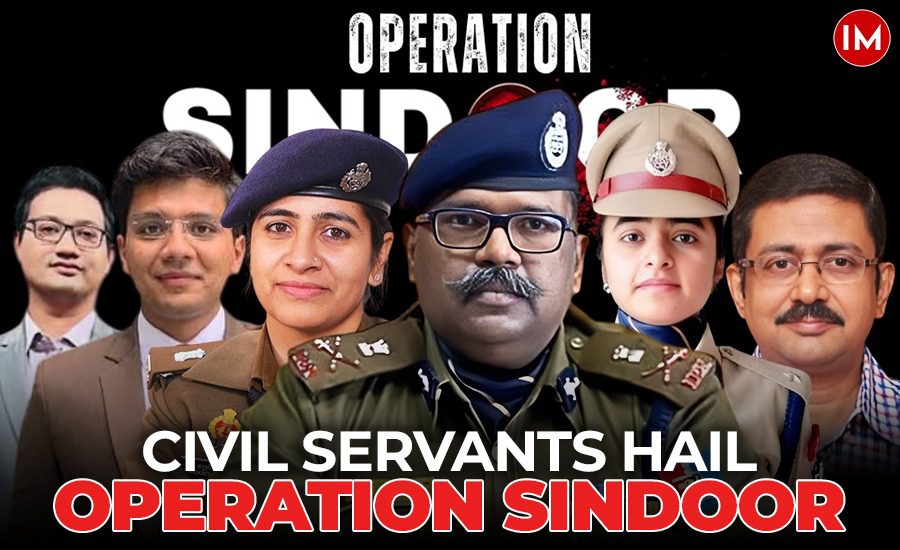
“Fitting Reply”: India’s Bureaucracy Unites Behind Operation Sindoor

In the aftermath of Operation Sindoor, here are some thoughts and reactions from India’s civil servants on this decisive strike. A joint compilation by Muskan Khandelwal and Ayodhya Prasad Singh
Indian Masterminds Stories

In a bold and decisive move following the horrific and deplorable Pahalgam attack, India launched Operation Sindoor. In the early hours of Wednesday, May 7, 2025, the Indian Armed Forces executed 24 precision missile strikes targeting nine terror locations across Pakistan and Pakistan-Occupied Kashmir (PoK). These included key strongholds of terror outfits—Muridke, associated with Lashkar-e-Taiba, and Bahawalpur, linked to Jaish-e-Mohammed (JeM).

In the wake of this strategic operation, Indian Masterminds reached out to the bureaucrats to gather their thoughts and reactions. Here’s what they had to say.

Sandeep M. Tamgadge, IPS, shared, “Terrorism in any form should not be tolerated. India has been bleeding from terrorist activities and losing precious lives for far too long. The cowardly and dastardly terrorist attack in Pahalgam, which led to the unfortunate death of 26 civilians, was the last straw. In my opinion, the calculated, measured, and precise attacks by the Indian Armed Forces on terror infrastructure within POK and Pakistan are a fitting reply to the terrorist groups and those who support and shelter them. This sends a clear message: India will no longer tolerate covert and cowardly acts of terrorism.”

Anukriti Sharma, IPS (2020 batch), ACP, Sambhal, said, “The brutal killing of innocent tourists in Pahalgam was Pakistan’s hideous attempt not only to unsettle the Kashmir Valley once again but also to incite communal disturbance across the entire country. Operation Sindoor is a befitting reply to the terrorist state—in a language it best understands. The targeted attacks on terrorist hideouts and training centres, deep inside Pakistani territory, are a testimony to the competence and professionalism of our armed forces. Operation Sindoor marks the beginning of the end—the end of state-sponsored terrorism against India.

Ananth Rupanagudi, IRAS shared, “I believe Operation Sindoor marks a significant advancement over the previous two cross-border strikes in 2016 and 2019. While it may not entirely stop future terrorist attacks in the Kashmir Valley, the messaging behind these precision strikes is crucial. It clearly signals to Pakistan that every part of their territory is within the reach of our missiles, and any such misadventure in the future will be met with even more aggressive action from our side. Hopefully—though it’s hoping against hope—this will serve as a small deterrent, if Pakistan’s establishment has any sense of self-respect or dignity.”

Subham Gupta, IAS, Maharashtra cadre, shared, “The Pahalgam attack was a barbaric and inhumane act of terrorism. India’s response through Operation Sindoor was only fitting. It was not an act of retaliation but a message that no one should dare mess with our country. We are truly proud of our armed forces. Jai Hind.”

Dr Pritpal Kaur (2016 batch) SP, Phek, Nagaland, said, “Zero tolerance for terrorism.”

Varun jain, IFS shared, “Our country is a peace-loving nation, but any act of terrorism must be met with a counter-terror operation to create deterrence. We are proud of the Indian Armed Forces.”

As India grapples with repeated provocations and senseless violence, Operation Sindoor has emerged as a defining moment in the nation’s security doctrine. It is not merely a tactical response but a strategic assertion of India’s resolve to protect its citizens and sovereignty at all costs. The unified voices of India’s civil servants—from the Indian Administrative Service and Indian Police Service to the Indian Forest Service—reflect a national consensus: terrorism will no longer be met with silence but with strength and precision.

India has sent a clear message to the world: peace is our preference, but security is our priority.

Indian Masterminds Stories
Join our WhatsApp Channel
ADVERTISEMENT
ADVERTISEMENT
Related Stories
ADVERTISEMENT
ADVERTISEMENT
NEWS
NHPC NSCI
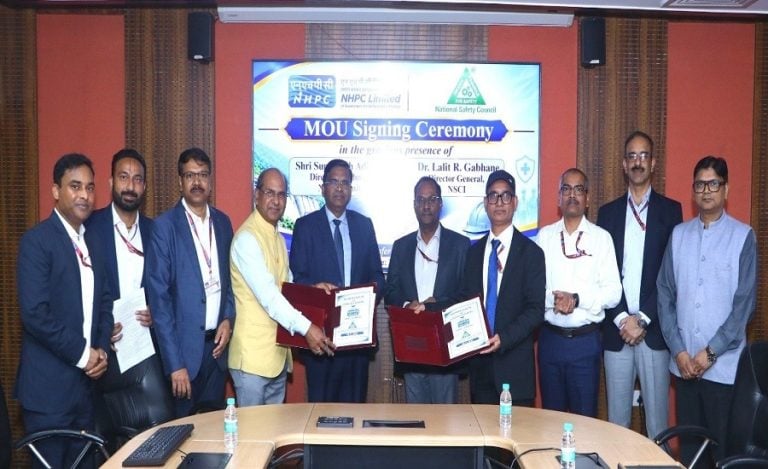
NHPC Signs MoU with National Safety Council of India for Safety Audits of Power Stations and Projects
Japan Missile India Firing Exercise
Japan Chooses Indian Firing Ranges For Missile Training! A Big Win For India's Defence Capabilities
Tejas MK2
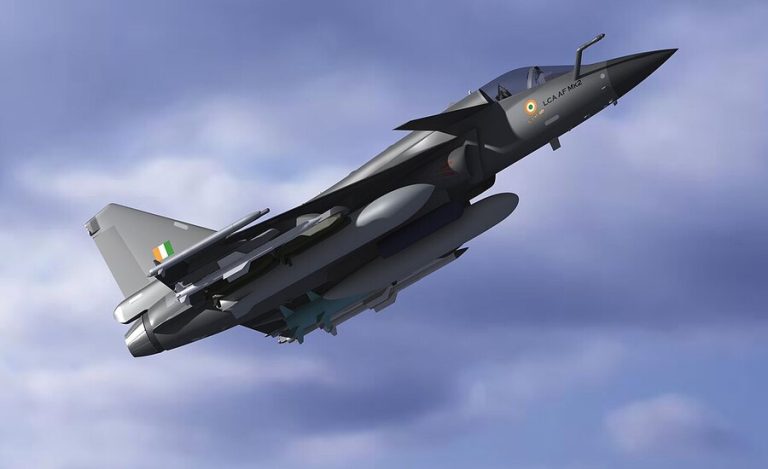
India's Indigenous Fighter Jet Ambition Takes Shape! Tejas Mk2 Full-Scale Model To Grab Global Attention At Aero India 2027
Bhopal Luminescence Dating Laboratory Feature
Bhopal Opens Madhya Pradesh’s First Luminescence Dating Lab to Study Archaeological Finds Up to 1 Million Years Old
AMCA Fighter Programme
AMCA Fighter Programme: These 5 Major Challenges Could Decide Its 2028 Flight
Poorva Agarwal
Who Is Poorva Agarwal? Trainee IAS Officer Guiding Over 300 UPSC Aspirants in Hazaribagh
Bhupendra Patel
Gujarat Eases Land Allotment Rules for Nine New Municipal Corporations, Sets Five-Year Window for Civic Infrastructure
NPCIL Bihar Nuclear Power
NPCIL and Bihar Power Generation Company Sign MoU for ₹70,000-Crore Nuclear Power Development
ADVERTISEMENT
ADVERTISEMENT
Videos
Five years after Kargil, India sent its cricketing heroes to Pakistan where terrorism posed a deadly threat. The man guarding them, former Special Director of Intelligence Bureau, Mr. Yashovardhan Azad, reveals what all went behind the scenes during that crucial tour. 
Trust No One, Said His Instinct in Pakistan
Gajendra Singh Shekhawat
How India Plans to Boost Tourism, Create Jobs and Ease Overcrowding : Gajendra Singh Shekhawat on the Road to 2047
Dr Saket Badola IFS
Beyond Tigers and Safaris: How Corbett Literature Festival Wants to Change the Conservation Conversation
ADVERTISEMENT
UPSC Stories
Mayank Gurjar
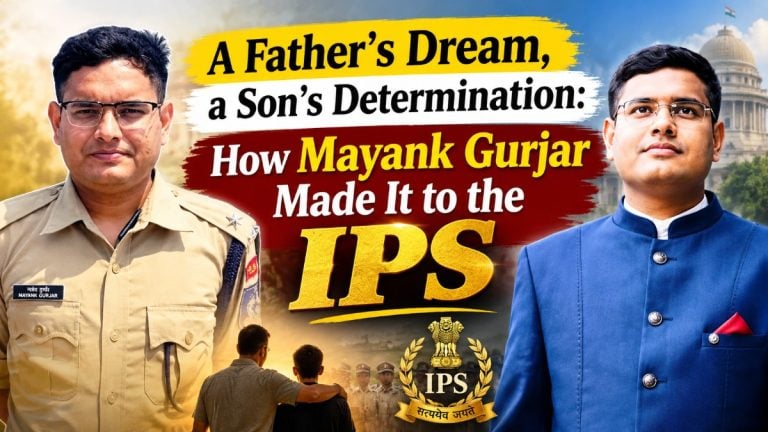
He Lost His Father in Class 12, Then Cleared UPSC in One Attempt to Become an IPS Officer
After losing his father in Class 12, Mayank Gurjar held on to his dream of public service, graduated...
Gautam UPSC
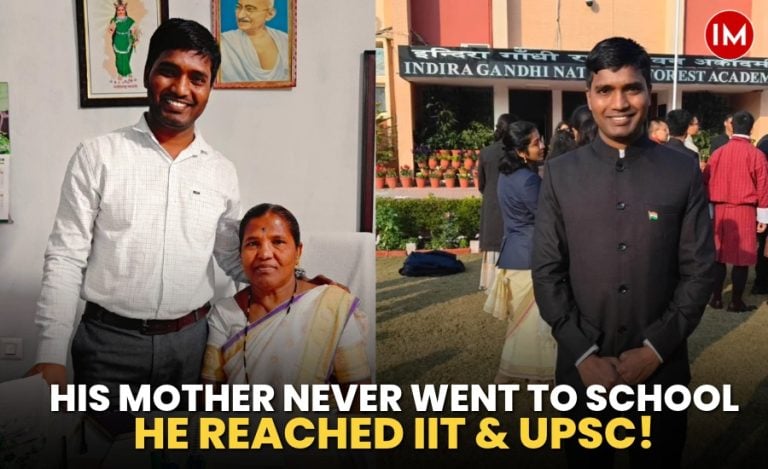
He Studied at 4 AM in a 10×10 Mumbai Slum Room; Today, Gautam Padibhar is an Indian Forest Service Officer
Meet IFS officer Gautam Padhibhar, a 2023-batch Chhattisgarh cadre officer who rose from financial hardship...
Aniket Sagar ICoAS
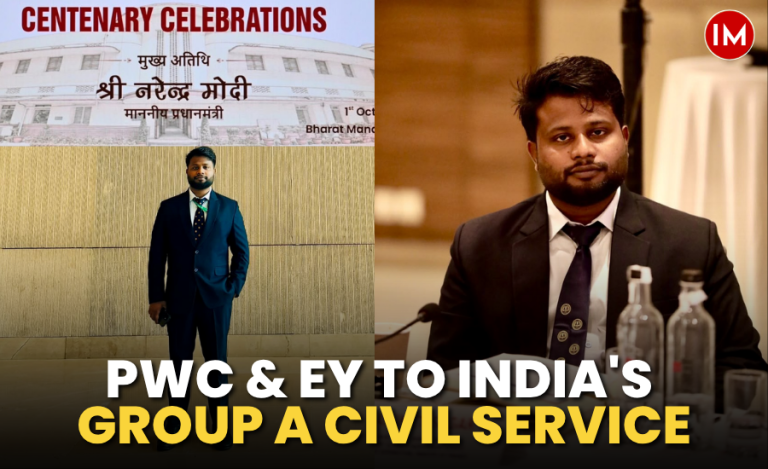
No Coaching, Full-Time Job and Two Attempts: How Aniket Sagar Cleared ICoAS
Aniket Sagar, a chartered accountant from Bundelkhand, cleared UPSC ICoAS 2025 after working at PwC,...
CSR NEWS
NALCO CIPET Skill Development Programme
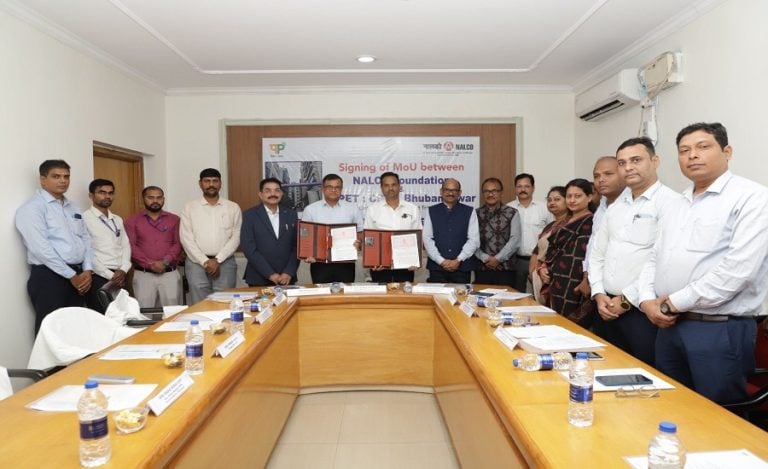
NALCO Foundation Signs MoU with CIPET Bhubaneswar to Provide Skill Training to 30 Youth from Odisha Villages 
CSR initiative to provide specialised training in Plastics Processing and Injection Moulding to youth...
mdl
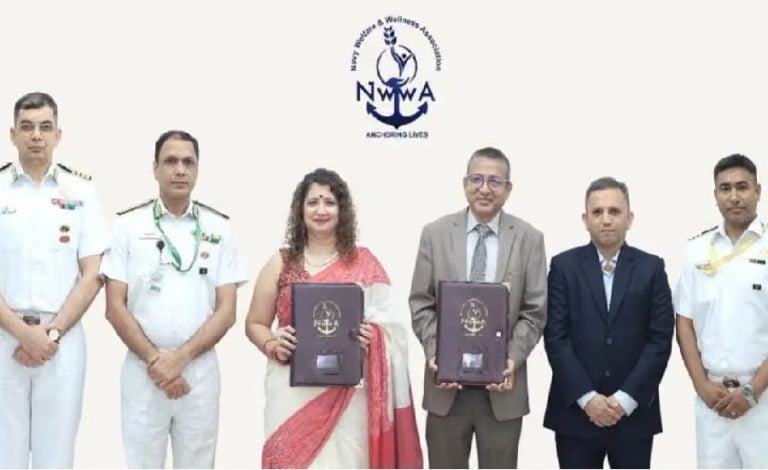
MDL Signs CSR MoUs with NWWA to Support Healthcare and Education for Naval Families
Partnership Covers Medical Equipment for Family Medical Centre, Educational Welfare of Children of Naval...
NBCC CSR Medical Equipment
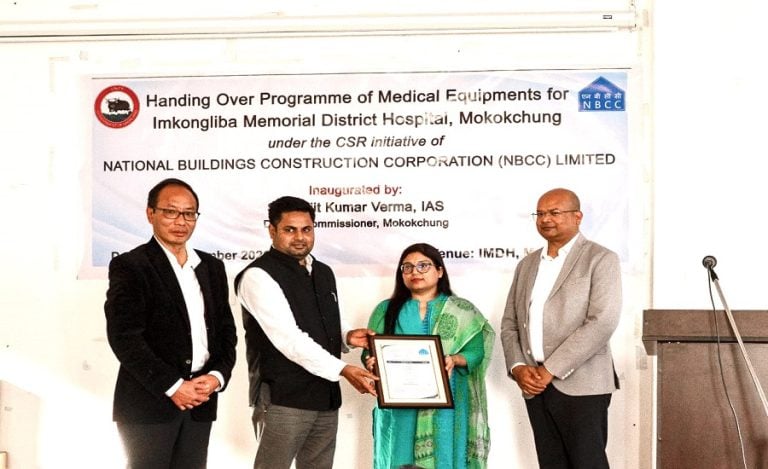
NBCC India Hands Over CSR-Sponsored Medical Equipment to Mokokchung District Hospital in Nagaland 
The CSR initiative aims to improve medical infrastructure at the district hospital, which serves patients...
ADVERTISEMENT
ADVERTISEMENT
ADVERTISEMENT
Latest
NHPC NSCI
NHPC Signs MoU with National Safety Council of India for Safety Audits of Power Stations and Projects
Japan Missile India Firing Exercise
Japan Chooses Indian Firing Ranges For Missile Training! A Big Win For India's Defence Capabilities
ADVERTISEMENT
ADVERTISEMENT
ADVERTISEMENT
ADVERTISEMENT
ADVERTISEMENT
ADVERTISEMENT
ADVERTISEMENT
Videos
Five years after Kargil, India sent its cricketing heroes to Pakistan where terrorism posed a deadly threat. The man guarding them, former Special Director of Intelligence Bureau, Mr. Yashovardhan Azad, reveals what all went behind the scenes during that crucial tour. 
Gajendra Singh Shekhawat
Dr Saket Badola IFS
ADVERTISEMENT
ADVERTISEMENT