30 October 2026
ADVERTISEMENT
ADVERTISEMENT

Why Engineers Dominate The UPSC CSE

In last 10 years, engineers have topped the CSE eight times. Reasoning paper gave them an edge because of engineers’ better analytical skills. The trend continues, though reasoning paper marks are not counted in preparing merit list. UPSC experts tell Indian Masterminds about the disparity and the scaling process between engineers and other candidates.
Indian Masterminds Stories

Presenting Indian Masterminds’ exclusive interview with Civil Services Expert, Abhishek Kumar, where he discusses the reasons why Engineers dominate UPSC CSE results and what gives them that edge.

In 2021, six out of the top 10 rank holders had engineering backgrounds. In 2020, the top three were engineers and there were eight candidates with engineering backgrounds among the top 15 candidates. There were 11 engineers among the top 15 candidates in 2019. In 2017 too, 11 of the top 15 candidates were engineers while in 2016, of the top 15 candidates, nine had engineering backgrounds. In 2015, there are 102 candidates with engineering backgrounds who qualify for the UPSC Civil Services Exam.

Among the UPSC CSE toppers during the last decade, barring just two toppers –2015 AIR 1 Tina Dabi and 2021 topper Shruti, all other CSE toppers had an engineering background. In 2020 there were 4 IITians among the top 10. While AIR 1 Shubham Kumar and AIR 8 Jivani Kartik Nagjibhai were IIT Bombay alumni, AIR 7 Praveen Kumar was a graduate of IIT Kanpur whereas AIR 3 Ankita Jain was from DTU Delhi. 

Apart from these four candidates, a total of 17 students from IIT-BHU (Varanasi) cleared the exam. Owing to the increasing interest of its students in civil services, IIT-BHU now hosts regular counselling and knowledge-sharing sessions for UPSC aspirants.

These statistics lead one to believe that it is easier for engineering graduates to clear the Civil Services exam than those with humanities, commerce or even other science streams including medicine. Indian Masterminds tried to decipher the puzzle by speaking to some experts. 

Mr Abhishek Kumar in a video interview claimed the process started in 2011 with the introduction of a reasoning paper in IAS Prelims. Candidates were supposed to solve 0nly 80 questions, each of 2.5 marks. Engineers having better analytical skills found it easy to crack it, some scoring up to 190-195 marks out of 200. 

Thus, they managed to clear the exam even if they scored just 40-50 marks out of 200 (100 questions each of two marks) in the General Studies paper. Candidates from other disciplines found it hard to score even 100 on the reasoning paper and their success rate dropped significantly even if they scored 120 marks in the GS paper, again a very difficult task. 

Students’ agitation brought some semblance of parity in 2015 after UPSC decided to exclude the reasoning paper marks while deciding the merit of the Prelims. One only needed to score just 33 per cent on the reasoning paper. 

But, even this step couldn’t establish a level playing field between engineers and candidates from other disciplines. Engineers have been opting for optional subjects like Maths, Sociology, Geography and Public Administration, which are high-scoring subjects though they require scientific temperament. That’s why UPSC has introduced a process called Scaling to bring parity between engineers and others. Please watch the video to know more about scaling. 

AIR 2 of 2020- batch Jagrati Awasthi, a BTech graduate says, “Engineers qualify CSE because of their good analytical aptitude as a result of undergoing four-year engineering studies. However, it is a candidate’s hard work and determination, irrespective of their background, that help them crack a competitive exam like Civil Services.” 

Indian Masterminds Stories
Join our WhatsApp Channel
ADVERTISEMENT
ADVERTISEMENT
Related Stories
ADVERTISEMENT
ADVERTISEMENT
NEWS
Chhattisgarh Pragati-50 Programme
Chhattisgarh Pragati-50 Programme: Raipur, Bilaspur to Become Model Clean Cities, User Charges May Rise 
Uttarakhand Development Projects
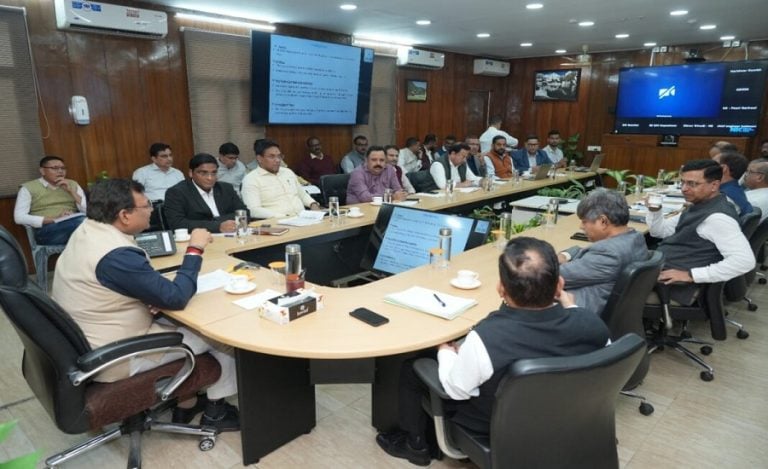
Uttarakhand Govt Approves Five Development Projects Worth ₹769 Crore, Khairna Barrage Gets Green Light 
industrial-hub-
Uttar Pradesh Govt Approves Rs 80 Crore for Aligarh Talanagri Industrial Area, 1,300 Plots to Benefit 
DFCCIL FIDIC Asia Pacific Project Award
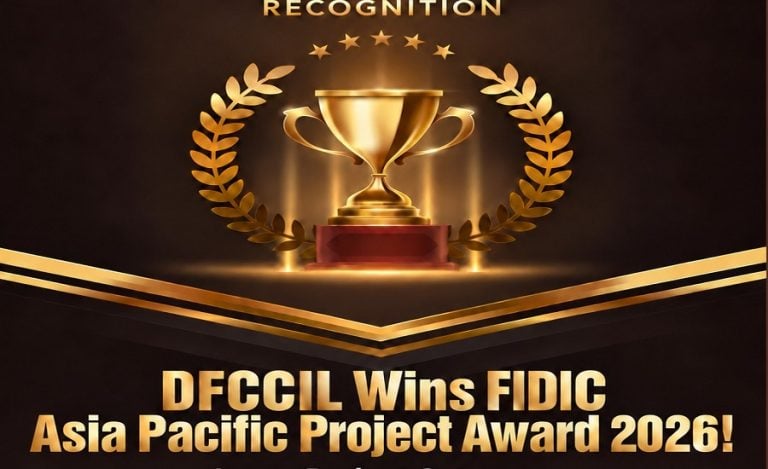
DFCCIL Wins Prestigious FIDIC Asia Pacific Project Award 2026 for Transforming India's Freight Network 
SJVN Buxar Thermal Power Project
SJVN Board Approves Merger of STPL, Operator of 1,320 MW Buxar Thermal Power Plant
GAIL PSU
GAIL Q2 FY27 Results: Net Profit More Than Doubles to Rs 4,650 Crore, Revenue Rises to Rs 45,924 Crore
IndianOil Vigilance Awareness Week-
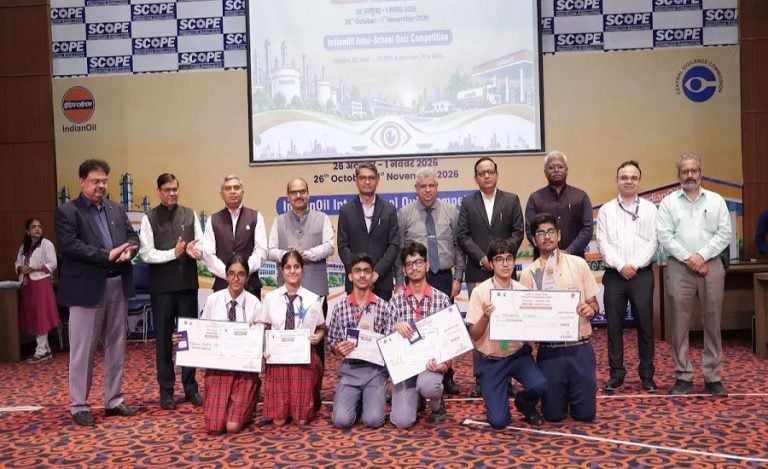
IndianOil Organises Inter-School Quiz Competition During Vigilance Awareness Week 2026 
NTPC Green
NTPC Green Energy Commissions 95.6 MW Solar Capacity at Kalasar Project in Rajasthan 
ADVERTISEMENT
ADVERTISEMENT
Videos
Five years after Kargil, India sent its cricketing heroes to Pakistan where terrorism posed a deadly threat. The man guarding them, former Special Director of Intelligence Bureau, Mr. Yashovardhan Azad, reveals what all went behind the scenes during that crucial tour. 
Trust No One, Said His Instinct in Pakistan
Gajendra Singh Shekhawat
How India Plans to Boost Tourism, Create Jobs and Ease Overcrowding : Gajendra Singh Shekhawat on the Road to 2047
Dr Saket Badola IFS
Beyond Tigers and Safaris: How Corbett Literature Festival Wants to Change the Conservation Conversation
ADVERTISEMENT
UPSC Stories
UPSC Story
He Taught Students to Meet Expenses. Today, Sachin Bhadouria is a Scientist ‘B’ at CWPRS
Sachin Bhadouria overcame financial challenges and a Hindi-medium background to secure AIR 2 in a UPSC...
Vishwas Jhargad UPSC CAPF
A Photograph of His Mother Accompanied Vishwas Jhargad to the UPSC Interview, Where His Dream Came Closer
Vishwas Vijay Jhargad lost both parents as a child. With his family's support, he secured AIR 145 in...
IA&AS Lokesh Datal
‘Dreams Don’t Change Lives, Daily Habits Do’: IA&AS Officer Lokesh Datal on UPSC and Discipline
IA&AS officer Lokesh Datal shares his UPSC journey, clearing the exam in his fourth attempt, building...
CSR NEWS
CMPDIL Unnat Krishi Project
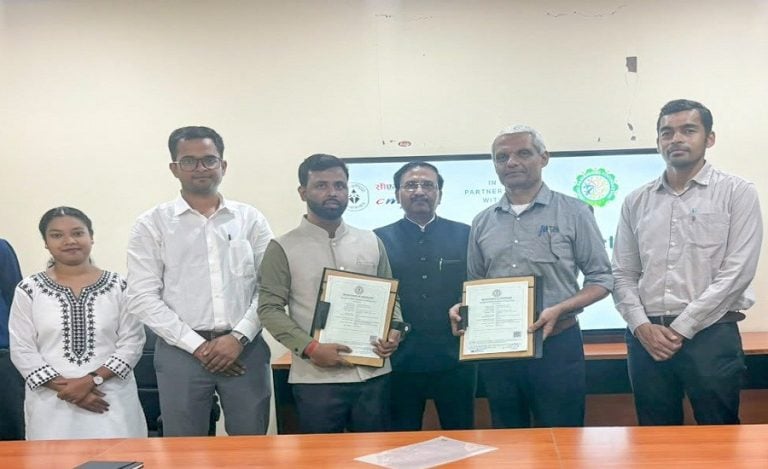
CMPDIL Signs MoA with Nidhi Samriddhi Foundation to Promote Climate-Resilient Agriculture in Jharkhand
Unnat Krishi Project to introduce ICT and IoT-enabled precision farming for around 100 farmers across...
MCL
MCL Signs MoU to Provide ₹3.20 Crore for Multipurpose Community Hall in Anugola Under CSR
The project at the Reserve Police Office in Chheliapada aims to strengthen local civic infrastructure...
nalco
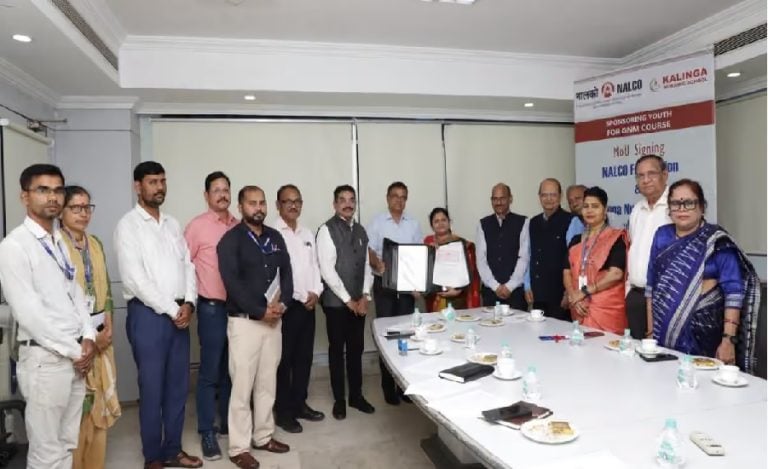
NALCO Foundation Signs MoU to Sponsor 21 Odisha Youths for Three-Year Nursing Diploma 
The three-year nursing course will support youths from villages near NALCO’s Anugul and Koraput complexes,...
ADVERTISEMENT
ADVERTISEMENT
ADVERTISEMENT
Latest
Chhattisgarh Pragati-50 Programme
Chhattisgarh Pragati-50 Programme: Raipur, Bilaspur to Become Model Clean Cities, User Charges May Rise 
Uttarakhand Development Projects
Uttarakhand Govt Approves Five Development Projects Worth ₹769 Crore, Khairna Barrage Gets Green Light 
ADVERTISEMENT
ADVERTISEMENT
ADVERTISEMENT
ADVERTISEMENT
ADVERTISEMENT
ADVERTISEMENT
ADVERTISEMENT
Videos
Five years after Kargil, India sent its cricketing heroes to Pakistan where terrorism posed a deadly threat. The man guarding them, former Special Director of Intelligence Bureau, Mr. Yashovardhan Azad, reveals what all went behind the scenes during that crucial tour. 
Gajendra Singh Shekhawat
Dr Saket Badola IFS
ADVERTISEMENT
ADVERTISEMENT