New Delhi, India: In a decisive move to enhance battlefield lethality and rapid strike capabilities, the Indian Army is poised to acquire 850 kamikaze drones (loitering munitions) in a defence procurement deal worth approximately ₹2,000 crore.
The acquisition — expected to be approved at the upcoming meeting of the Defence Acquisition Council (DAC) — marks a significant step in India’s ongoing push for indigenous defence technology and modern warfare readiness.
Indian army Kamikaze Drones Deal: Strategic Leap in Army Modernisation
The proposal to procure 850 kamikaze drones is currently at an advanced stage of approval and is anticipated to be cleared by the DAC later this month. The loitering munitions will be supplied along with their respective launch systems — all sourced from indigenous manufacturers under India’s self-reliance policy in defence production.
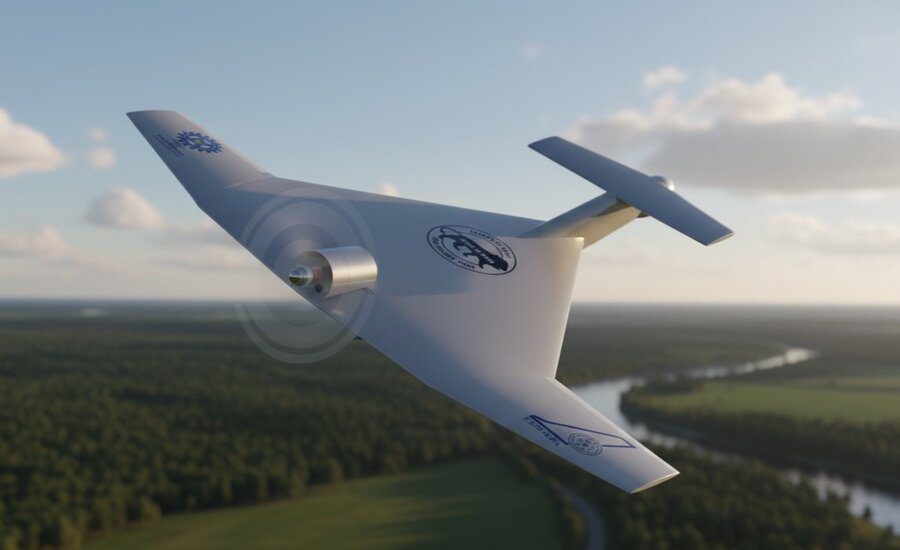
These loitering munitions, commonly known as kamikaze drones, are unmanned systems capable of flying over a designated area — loitering until a target is identified — before striking with precision. This capability allows forces to engage elusive or concealed targets with minimal risk to personnel.
Lessons from Operation Sindoor Drive Procurement Strategy
Officials have highlighted that the accelerated push to buy kamikaze drones stems partly from operational lessons learned during Operation Sindoor — India’s extensive cross-border campaign that saw widespread use of drones to neutralise terrorist infrastructure and enemy defensive nodes.
Seven out of nine identified terrorist targets were effectively taken out on the first day of that campaign, underscoring the value of loitering munitions in modern conflict environments.
This strategic emphasis on loitering munitions reflects a broader rethinking of battlefield dynamics, where unmanned aerial systems (UAS) play an increasingly central role in counter-terrorism, counter-insurgency, and conventional warfare.
Indian army Kamikaze Drones Deal: What Kamikaze Drones Are and How They Work
Kamikaze drones — also referred to as loitering munitions — sit at the intersection of surveillance UAVs and guided missiles.
These systems can:
- Loiter over a target zone until an accurate strike window is identified.
- Execute precision impacts by diving into the target, detonating an onboard warhead.
- Abort a mission mid-flight if situational dynamics change.
- Minimise collateral damage and risk to friendly forces compared to conventional artillery or manned platforms.
Their relatively low cost and tactical flexibility make them particularly attractive for modern military doctrines that prioritise rapid response and asymmetric warfare capabilities.
Indian army Kamikaze Drones Deal: Indigenous Focus and Defence Self-Reliance
Reflecting India’s commitment to the “Aatmanirbhar Bharat” (self-reliant India) vision, the 850 kamikaze drones and their launchers are expected to be produced domestically by Indian defence firms.
Earlier contracts with Indian companies — such as Solar Defence and Aerospace and others supplying Nagastra-series loitering munitions — have underscored the growing capabilities of India’s defence manufacturing ecosystem.
India’s drone development is rapidly expanding, with multiple platforms being developed by startups and academic institutions alike.
Emerging technologies such as AI-enabled autonomous loitering drones and hybrid VTOL loitering munitions are in various stages of demonstration and trials, indicating a diversified technological base for future upgrades.
Indian army Kamikaze Drones Deal: Changes in Army Operational Doctrine
Under the new procurement plan, each infantry battalion will soon house a specialised “Ashni platoon” responsible for operating these drones both in combat and counter-insurgency roles.
This represents a doctrinal shift in how frontline units are equipped and employed, granting lower tactical echelons direct control over precision strike assets.
This decentralised operational model promises faster reaction times and enhanced situational awareness for troops on the ground, especially during high-intensity conflict or asymmetric engagements.
Future Outlook and Expansion Plans
Beyond this immediate acquisition, defence sources indicate that the Army plans to scale up its loitering munition inventory significantly — with ambitions to induct up to 30,000 systems across different combat and reconnaissance roles in the coming years.
Analysts suggest that such a transformation could position India as a leading operator of precision strike drone systems in Asia, particularly given the rapid evolution of drone warfare seen globally, including in conflicts such as Russia-Ukraine and Middle East theatre operations.