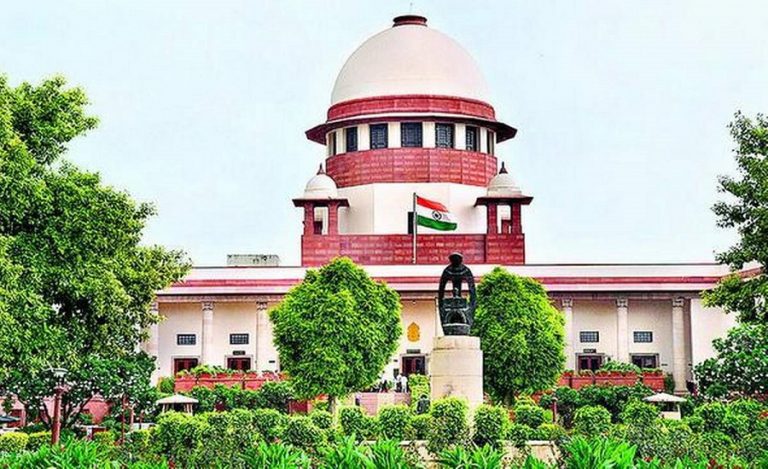
New Delhi: The Delhi High Court WhatsApp account ban case has brought clarity on how users should handle grievances related to social media account bans and data loss. In a recent ruling, the Court advised affected users to use the official grievance system under India’s IT Rules instead of directly approaching courts.
The case involved advocates whose WhatsApp accounts were banned, leading to serious concerns about lost data.
Details of Delhi High Court Ruling on WhatsApp Account Ban Cases
The case was filed by practicing advocates including Reepak Kansal, Dr. Adish C Aggarwala, and Rohit Pandey.
Read also: Ex-Servicemen & Age Relaxation Row: Delhi High Court Sets Clear Rules on Unreserved Seat Eligibility
They challenged the ban on their WhatsApp accounts, claiming it caused professional disruption and loss of important data.
During the hearing:
- WhatsApp informed the Court that the banned accounts had already been restored.
- However, the petitioners argued that their previous data was still inaccessible, causing major inconvenience.
Key Court Directives
Justice Purushaindra Kumar Kaurav disposed of the petitions and made an important observation:
- There is an effective grievance redressal system available under Rule 3A of the IT Rules, 2021.
- Users should first approach the Grievance Appellate Committee (GAC) instead of filing direct petitions.
The Court clearly stated that:
- The existing system is legally valid and effective.
- Courts should not be the first option when a statutory remedy exists.
Role Of IT Rules 2021 In the WhatsApp Account Ban Cases
The Information Technology Rules, 2021 provide a structured system for handling user complaints.
Key provisions include:
- A grievance officer system for complaints.
- An appeal mechanism through the Grievance Appellate Committee.
- Time-bound resolution of disputes.
In this case, the Court emphasized that this framework must be used before seeking judicial intervention.
What About Data Loss Issue?
Even though WhatsApp restored the accounts:
- The petitioners still could not access their old data.
- The Court acknowledged that the grievance may still exist.
However, it ruled that:
- The issue should be decided by the Appellate Committee.
- The committee must give a decision within 30 days.
Reference To Previous Judgment
The Court relied on an earlier ruling in Ravinder v. Union of India (2025), where it was held that:
- The IT Rules grievance mechanism is effective and sufficient.
- Direct court intervention is not necessary in such cases.
What is the Importance of Delhi High Court Ruling on WhatsApp Account Ban Cases
This decision has wider implications for all digital users in India:
- It reinforces the importance of structured digital grievance systems.
- It reduces unnecessary litigation in courts.
- It strengthens accountability of social media platforms under Indian law.
What is the Impact On Social Media Users
This ruling sends a strong message:
- Social media bans and data issues must follow official complaint channels.
- Platforms like WhatsApp are accountable under Indian IT laws.
- Users now have a clear legal path to resolve such disputes.