New Delhi: India is planning to deploy Sudarshan Chakra Air Defence Grid in Delhi NCR to protect its capital region from aerial threats.
The Indian Air Force (IAF) is working on a new hybrid air defence grid called “Sudarshan Chakra”, which will combine advanced missile systems, radars, and surveillance technologies.
This plan aims to create a multi-layer protection system capable of stopping enemy aircraft, drones, and missiles before they reach Delhi and nearby areas. The move is part of India’s broader strategy to strengthen national security in high-risk zones.
What Is the Sudarshan Chakra Air Defence Grid?
The Sudarshan Chakra is a proposed integrated air defence network designed specifically for Delhi-NCR, one of India’s most sensitive regions.
It will combine:
- Long-range missile systems
- Medium and short-range air defence systems
- Advanced radar and surveillance networks
- Command and control centers
This “hybrid” structure ensures that threats can be detected, tracked, and destroyed at different distances.
Role of the S-400 Missile System in Delhi NCR Sudarshan Chakra Air Defence Grid
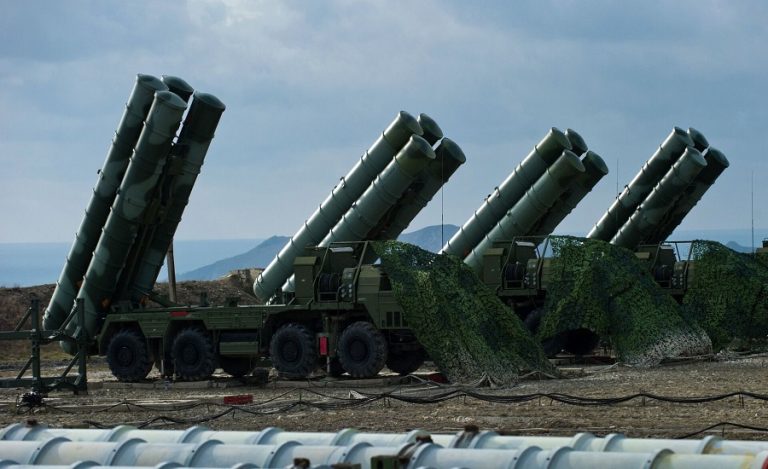
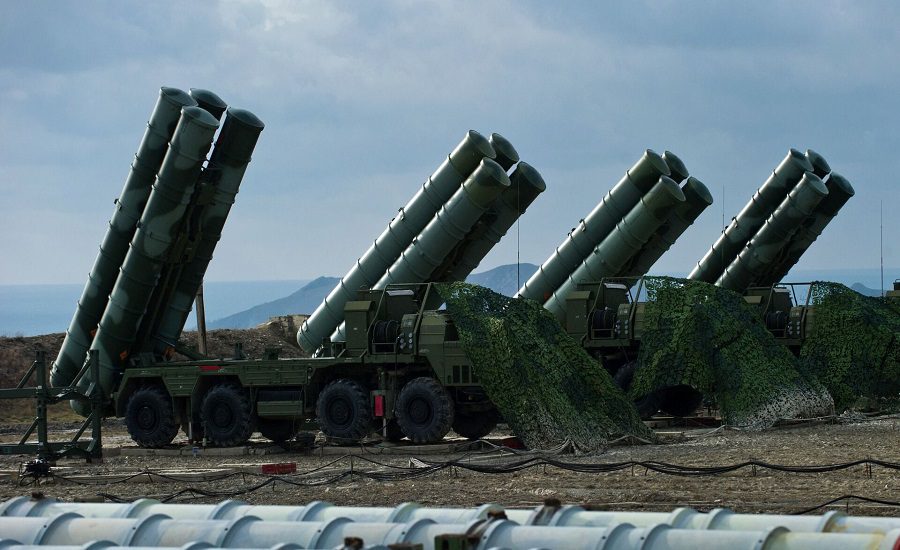
At the core of this defence grid will be the S-400 Triumf air defence system, which India has acquired from Russia.
What are the Features of S-400
- Can detect targets up to 600 km away
- Can destroy threats at a range of 400 km
- Tracks multiple targets simultaneously
- Effective against:
- Fighter jets
- Ballistic missiles
- Cruise missiles
- Drones
This makes it one of the most advanced air defence systems in the world.
Details of Delhi NCR Sudarshan Chakra Air Defence Grid
The plan includes deploying a dedicated S-400 squadron exclusively for protecting Delhi-NCR.
Why this is important:
- Delhi is the political and strategic heart of India
- High-value targets include:
- Government buildings
- Military command centers
- Critical infrastructure
A dedicated unit ensures continuous and focused protection.
10-Unit Hybrid Defence Architecture
The Sudarshan Chakra grid is expected to include around 10 integrated defence units, forming multiple layers of protection.
These layers include:
- Outer Layer – Long-range interception (S-400)
- Middle Layer – Medium-range missile systems
- Inner Layer – Short-range systems for close threats
This layered approach increases the chances of neutralizing threats at multiple stages.
Integration with Existing Indian Defence Systems
The grid will not work alone. It will integrate with existing Indian systems such as:
- Akash missile system
- Indigenous radar networks
- Airborne early warning systems
This creates a network-centric warfare system, where all units share real-time data.
Why India Needs Delhi NCR Sudarshan Chakra Air Defence Grid
Growing Threat Landscape
Modern warfare includes:
- Drone attacks
- Cruise missiles
- Hypersonic weapons
These threats require fast and precise response systems.
Strategic Importance of Delhi-NCR
Protecting the capital ensures:
- Government continuity
- Military coordination
- Civilian safety
Speciality of the Defence System
The Sudarshan Chakra grid stands out because:
- Multi-layered protection increases interception success
- Real-time coordination between systems
- High detection capability with advanced radars
- Ability to handle multiple threats at once
- Integration of imported and indigenous technologies
This makes it a next-generation air defence shield.
What Makes Delhi NCR Sudarshan Chakra Air Defence Grid Plan Unique?
Unlike traditional systems, this plan focuses on:
- Hybrid integration (mix of systems, not standalone)
- Dedicated regional protection (Delhi-specific)
- Scalability (can be expanded to other cities)
It reflects India’s shift toward modern, network-based defence strategy.