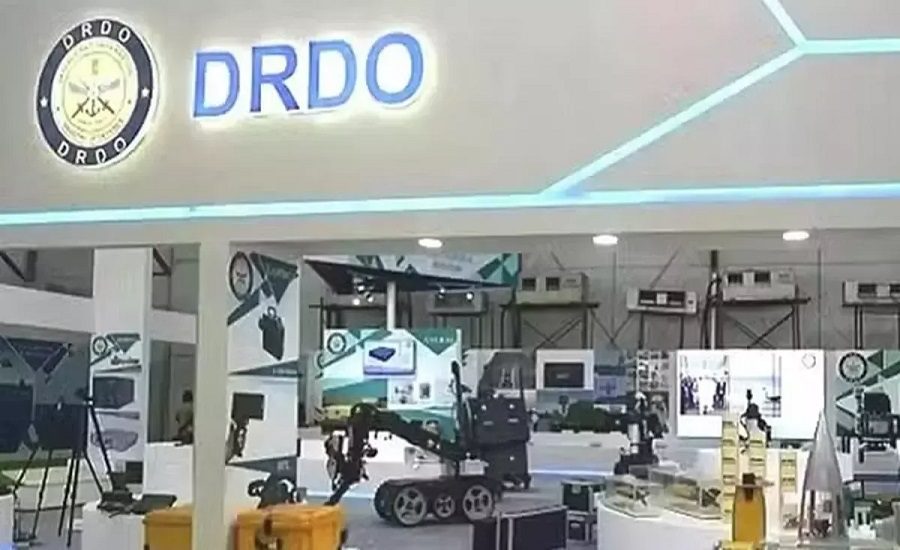
New Delhi: India’s Defence Research and Development Organisation (DRDO) has taken significant early steps in developing AD-AH and AD-AM interceptors as part of Phase III of the Ballistic Missile Defence (BMD) programme to counter emerging hypersonic and MIRV threats.
These next-generation interceptor missiles mark a strategic evolution in India’s missile defence capabilities, aiming to tackle ultra-fast, highly manoeuvrable threats that existing systems struggle to neutralise.
What Are The DRDO AD-AH & AD-AM Interceptors?
The two newly conceptualised systems under Phase III of the BMD programme are:
- AD-AH (Advanced Defence – Anti-Hypersonic): Designed specifically to engage manoeuvring hypersonic glide vehicles that travel at extreme speeds and constantly change trajectory during flight.
- AD-AM (Advanced Defence – Anti-Missile): Focused on countering hypersonic cruise missiles and complex threats equipped with MIRVs, which release multiple warheads, making interception harder with conventional defence technology.
Both interceptors are being developed with advanced sensors, improved guidance and target discrimination capabilities, and are intended to operate in highly saturated and dynamic threat environments.
What are the Significance of DRDO AD-AH and AD-AM Interceptors
India’s Ballistic Missile Defence programme is structured in phased advancements focused on protecting national airspace and strategic assets.
The earlier phases centred on intercepting short- and medium-range ballistic missiles using systems such as the Prithvi Defence Vehicle (PDV), Advanced Air Defence (AAD), and PDV Mk-II interceptors.
However, modern missile threats have evolved significantly. Hypersonic weapons — capable of travelling at speeds above Mach 5 with unpredictable flight paths — and Multiple Independently Targetable Reentry Vehicles (MIRVs) pose tougher interception challenges than traditional ballistic missiles.
Why DRDO AD-AH and AD-AM Interceptors Matters
Hypersonic weapons travel faster and maneuver more unpredictably than most conventional missiles. This makes them harder to detect early and engage effectively. The introduction of interceptors like AD-AH and AD-AM is seen as a necessary step for India to keep pace with evolving global military technologies.
In addition, MIRVs increase the challenge as they can deploy several warheads toward different targets from a single launch.
Existing interceptor systems struggle to manage such multiple simultaneous threats. Thus, developing dedicated missile solutions capable of discriminating and neutralising these threats significantly enhances India’s national defence deterrence and strategic preparedness.
Indigenous Technology and Self-Reliance
A key emphasis of the initiative is on indigenous development. DRDO is working to ensure that the interceptors and associated technologies are developed domestically, reducing dependency on foreign systems and strengthening India’s technological and defence manufacturing base. This approach aligns with broader policy priorities such as “Make in India” and efforts to achieve strategic autonomy in defence capabilities.
Experts believe that such home-grown solutions will improve operational readiness and reduce long-term costs while building an ecosystem for next-generation defence technologies.
Read also: DRDO Surya Laser Weapon Explained: Range, Technology, Capabilities, and Strategic Impact