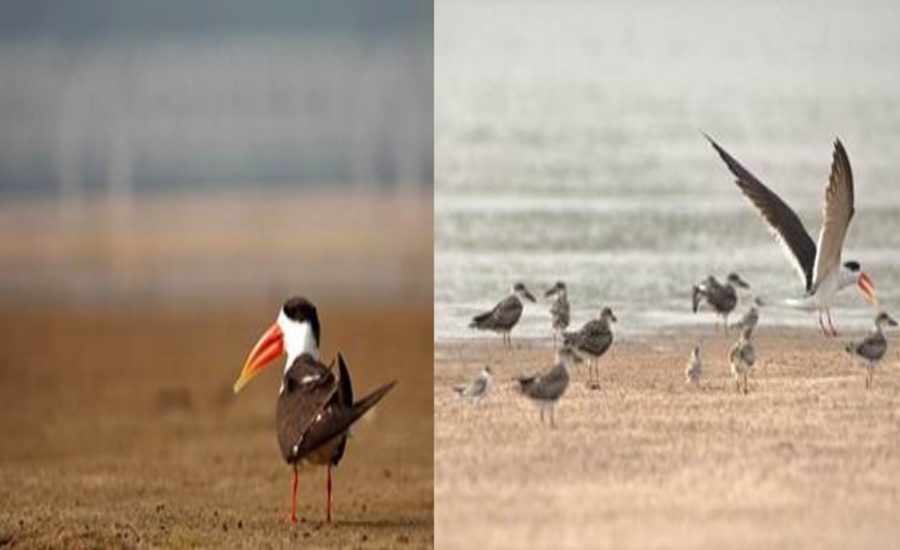
New Delhi: In a significant boost to riverine biodiversity conservation, the Indian Government has approved a first-of-its-kind project aimed at protecting the breeding habitats of sandbar-nesting birds in the Ganga basin.
The initiative, cleared during the 68th meeting of the Executive Committee of the National Mission for Clean Ganga (NMCG) in New Delhi, marks a major step toward evidence-based, community-driven conservation under the broader Namami Gange Mission.
A Focus on Endangered Sandbar-Nesting Birds
Sandbar-nesting birds depend on exposed riverine sandbars for breeding during the dry season. These fragile habitats are increasingly threatened by human disturbance, unregulated sand mining, fluctuating water releases, and climate variability.
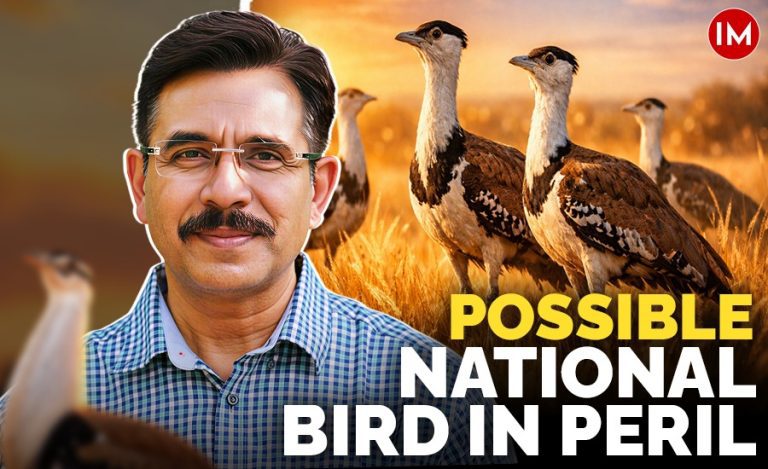
The newly approved project prioritises the conservation of endangered and indicator species, including the Indian Skimmer, whose declining population is widely regarded as a warning sign of deteriorating river health.
What are the Objectives of the Ganga Basin Sandbar-Nesting Birds Project
The project is designed with a long-term ecological vision, focusing on both species protection and habitat restoration. Its major objectives include:
- Protection of critical breeding sandbars along the Ganga basin
- Scientific nest monitoring using standardised protocols
- Reduction of anthropogenic disturbances during the breeding season
- Community participation and capacity building
- Generation of long-term ecological data to guide future river management
By combining conservation science with local stewardship, the project aims to ensure sustainable outcomes beyond short-term interventions.
Strategic Locations Identified for Implementation
The initiative will be rolled out in ecologically sensitive river stretches, starting with:
- Bijnor
- Narora
- Prayagraj
Additionally, nest monitoring will continue in the Chambal River and Lower Ganga, regions known for supporting significant populations of riverine birds.
Integration with Namami Gange Mission-II
Aligned with Namami Gange Mission-II, the project complements ongoing conservation efforts focused on dolphins, fish, turtles, and overall aquatic biodiversity.
This integrated approach reflects a shift from infrastructure-centric river cleaning to holistic river ecosystem management, where biodiversity conservation is treated as a core indicator of river rejuvenation.
Community-Led Conservation at the Core
A defining feature of the project is its emphasis on local community engagement. River-dependent communities will be trained to:
- Identify and safeguard active nesting sites
- Regulate human movement near sensitive sandbars
- Participate in awareness and monitoring programmes
Such capacity-building initiatives not only reduce threats to nesting birds but also create local conservation custodians, strengthening the social foundation of river protection.
Science-Driven and Evidence-Based Approach
The project adopts evidence-based conservation, relying on systematic data collection, seasonal monitoring, and adaptive management.
Insights generated will help policymakers:
- Understand breeding success rates
- Identify emerging threats
- Design replication models for other river basins
Experts view this as a model framework that could be extended to rivers like the Yamuna, Son, and Gandak in the future.
Official Endorsement and Broader Vision of Ganga Basin Sandbar-Nesting Birds Project
The meeting approving the project was chaired by Rajeev Kumar Mittal, Director General of NMCG. Alongside biodiversity protection, discussions also highlighted:
- Ecological restoration of the Ganga
- Innovations through Nature-Based Solutions (NbS)
- Conservation of cultural and natural river heritage
- Faster execution of priority infrastructure projects
What are the Importance of Ganga Basin Sandbar-Nesting Birds Project
Environmental experts note that sandbar-nesting birds act as bio-indicators of river health.
Their protection contributes to:
- Maintaining natural river flow dynamics
- Preserving sediment balance
- Enhancing overall aquatic and avian biodiversity
By safeguarding these species, the project strengthens India’s commitment to sustainable development, climate resilience, and biodiversity conservation.
A Step Forward for River Biodiversity in India
With this approval, India takes a decisive step toward science-backed, community-oriented river conservation. The initiative not only protects endangered birds but also reinforces the vision of a clean, living, and biodiverse Ganga—benefiting ecosystems and communities alike.