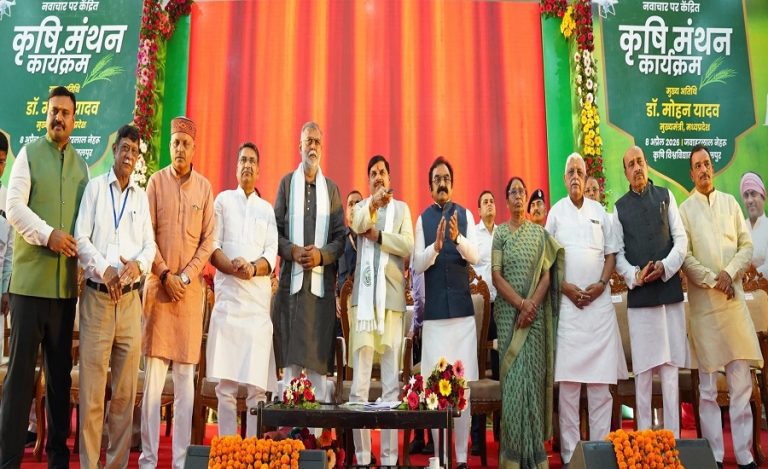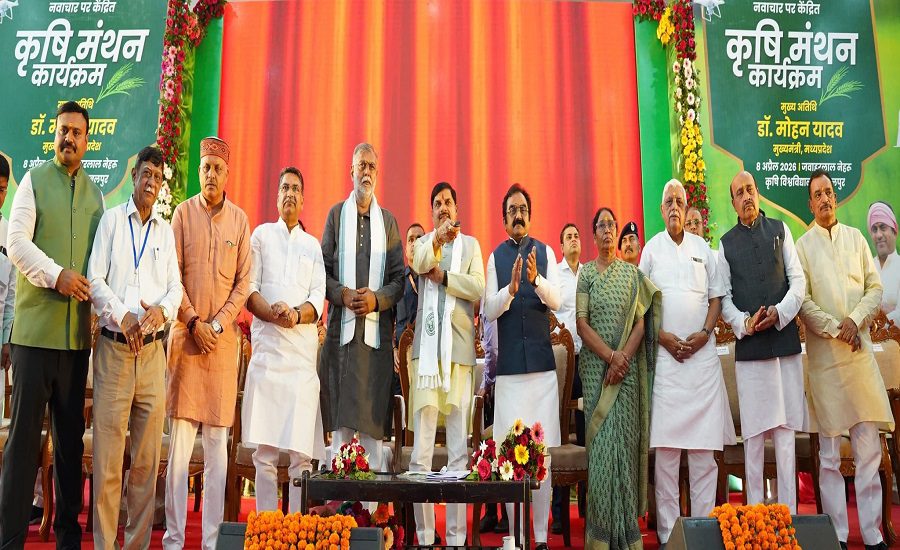
Jabalpur: A powerful confluence of farmers’ experiences, scientific innovation, government policies, and market opportunities took center stage at the ‘Krishi Manthan 2026’ workshop, held today at Jawaharlal Nehru Agricultural University (JNKVV) in Jabalpur. The event emphasized modern farming techniques and strengthened linkages between research, technology, skill development, and market access for farmers.
Key Inaugurations and Project Unveilings
Madhya Pradesh Chief Minister Dr. Mohan Yadav inaugurated several major infrastructure projects aimed at boosting agricultural productivity and research capabilities:
- New Administrative Building at JNKVV – Built at a cost of ₹13 crore, the facility has been dedicated as the Bharat Ratna Atal Bihari Vajpayee Administrative Building.
- Ganna Research Centre in Bohani – Administrative block inaugurated (₹1.11 crore).
- Skill Development Centre in Balaghat – Operational with modern facilities (₹1 crore).
- Automated Liquid Biofertilizer Production Unit at Jabalpur – Launched with a ₹1.26 crore investment.
- Four Units Under Agricultural Development Department – Infrastructure worth ₹4.92 crore inaugurated.
These projects signify a focused push towards modernization and scientific farming across the state.
Launch of Digital Tools & Support for Startups
During the event, CM Dr. Mohan Yadav also unveiled:
- Jawahar Char Digital Scanner Tracking App – A digital tool designed to streamline agricultural tracking and empower farmers with real‑time data.
- Agricultural Research Tracking App
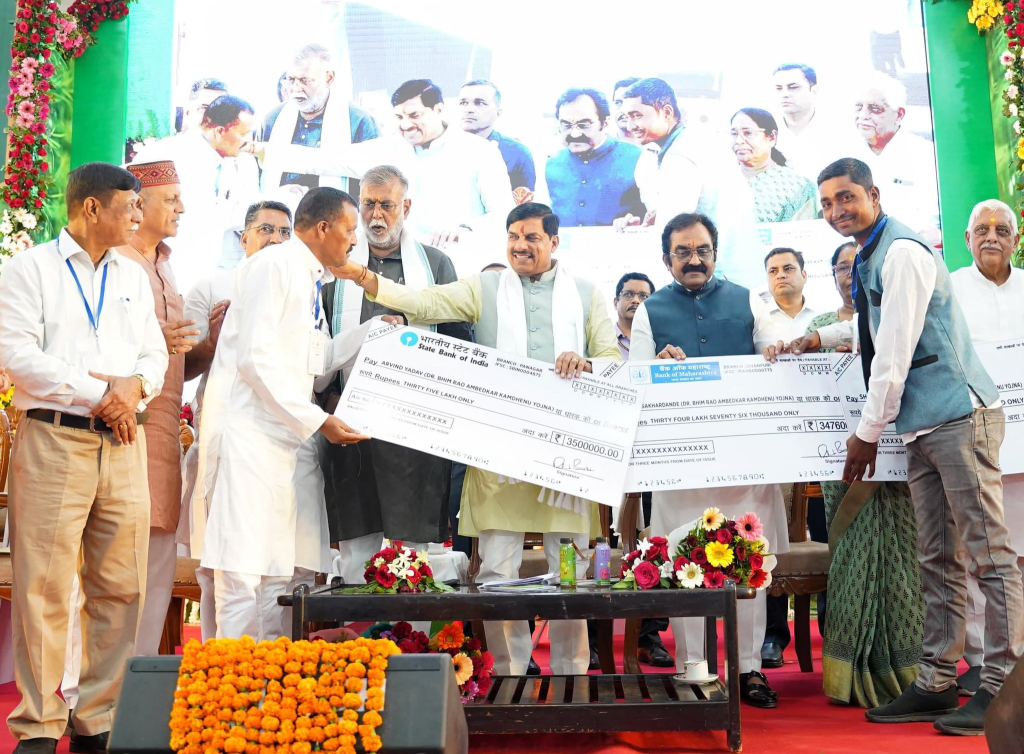
In addition, 10 agriculture-based startups received certificates and support funding amounting to ₹108 lakh from the central government, underlining the commitment to promote agritech innovation among youth and entrepreneurs.
Focus on Natural Farming & Farmer Skill Development
Highlighting the need to integrate sustainable practices, the Chief Minister launched a training programme for 1000 ‘Krishi Sakhi’ (agriculture women leaders) to promote natural farming techniques across rural areas. The initiative aims to increase productivity while preserving soil health and reducing chemical dependency.
Financial Support & Beneficiary Benefits
- Under the Dr. Bhimrao Ambedkar Kamdhenu Scheme, over ₹1.03 crore was disbursed in assistance to cattle rearers and livestock farmers.
- Additional financial benefits were provided to farmers and livestock keepers through state and central schemes, reinforcing social security and agricultural upliftment.
Krishi Manthan 2026: A Platform for Integrated Agricultural Growth
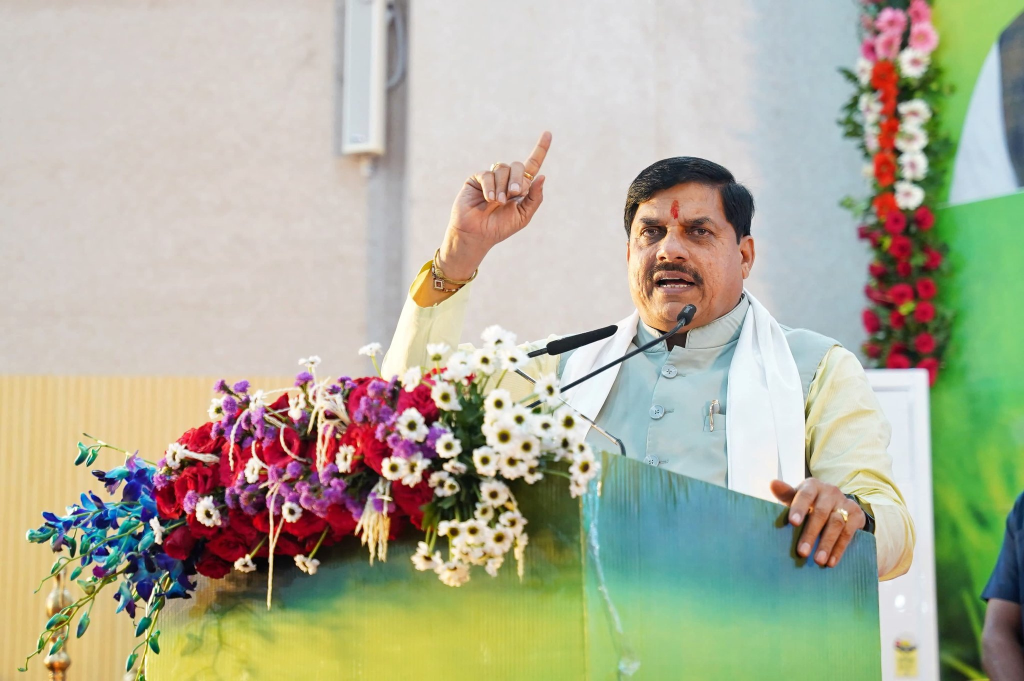
Organized jointly by the Madhya Pradesh Government’s Farmer Welfare & Agricultural Development Department and JNKVV, the ‘Krishi Manthan 2026’ workshop served as a collaborative forum to integrate research services, extension support, technology deployment, and market outreach. CM Dr. Yadav emphasized that 2026 has been dedicated as the ‘Agriculture Welfare Year’ for the state, with a year-long roadmap of programs to strengthen agriculture.
During his address, Dr. Yadav also highlighted:
- The state’s leading position in pulse production and strong performance in cereals, oilseeds, and wheat.
- The importance of coordinated efforts across departments under the mantra “Unity in Diversity” to ensure farmer welfare.
- Reflections on India’s journey from food scarcity in the 1960s to self-sufficiency, attributing success to scientific research and strong leadership.
University Achievements & Research Contributions
JNKVV Vice Chancellor Pramod Mishra shared insights on the university’s contributions to crop diversity and food security:
- Development of 345 superior crop varieties across 47 major crops.
- Conservation of valuable gene resources including 23 soybean varieties and 1100 wheat genotypes, strengthening India’s agricultural resilience.
Event Participation & Political Representation
While several senior ministers were expected to attend, only Panchayat & Rural Development Minister Prahlad Patel and PWD Minister Rakesh Singh joined Chief Minister Dr. Mohan Yadav at the function.
Krishi Manthan 2026 is widely viewed as a milestone event in Madhya Pradesh’s agricultural transformation — linking tradition with technology, and empowering farmers for future-ready agriculture.