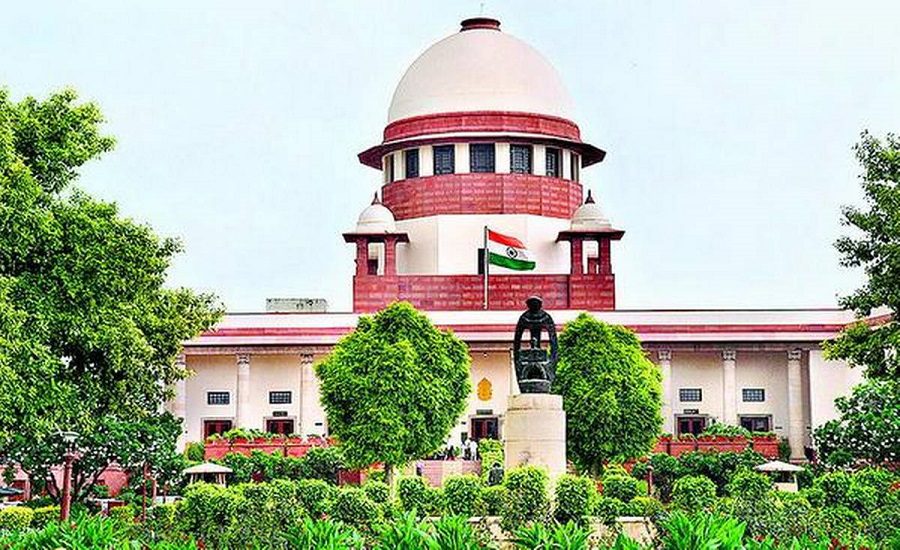
New Delhi, India: The Supreme Court of India has issued strong nationwide directions to ensure strict and uniform enforcement of the Solid Waste Management (SWM) Rules, 2026, which are scheduled to come into effect from April 1, 2026. The apex court emphasised that compliance will no longer be treated as a mere administrative formality, but as a mandate essential to protect public health and the environment.
The court flagged that widespread non-compliance with earlier SWM norms—especially in segregation of waste at source in both urban and rural areas—poses a serious threat to health and the environment. It reiterated that the right to a clean and healthy environment is a fundamental part of the right to life under Article 21 of the Constitution.
Background of Solid Waste Management Rules 2026
India generates millions of tonnes of solid waste every year, and inadequate management has led to overflowing dumpsites, groundwater contamination, and air pollution in several cities. The 2026 rules replace the 2016 framework and introduce more stringent requirements, aiming to transform waste management practices nationwide.
Read also: Will India Finally Get Junk Food Warning Labels? Supreme Court Gives FSSAI Four-Week Deadline
The Supreme Court’s orders seek to plug gaps in implementation and ensure that bodies responsible for waste management are fully prepared before the rules take effect next month.
Solid Waste Management Rules 2026: Key Directions Issued by the Supreme Court
The court has directed enforcement of the SWM Rules across all states and union territories before April 1, 2026. It has called upon District Collectors and local bodies to ensure effective execution and report progress in time-bound format.
Bulk Waste Generators Must Comply
Entities such as large residential societies, commercial establishments, and institutions must ensure full compliance by March 31, 2026, before the new rules are enforced.
Education & Awareness Initiatives
The court emphasised that public awareness campaigns must educate citizens on source segregation, waste minimisation, composting, and safe disposal of sanitary and hazardous waste.
Strict Penalties for Violations
Failure to comply will attract fines, penalties and even criminal prosecution under environmental laws. The deployment of mobile courts to address real-time violations is under consideration.
Institutional Accountability
Alongside civic bodies, elected representatives such as councillors, mayors and ward members have been designated as facilitators to encourage compliance at the grassroots level.
What are the Objectives of the Solid Waste Management Rules 2026
The new rules focus on four-stream segregation at source, extended producer responsibility (EPR), digital monitoring, and stronger accountability mechanisms. They also aim to reduce landfill dependency and promote recycling and composting throughout the waste value chain.
The Supreme Court’s proactive stance reflects the urgent need to modernise waste management systems and protect public health, especially as India continues urbanisation and economic growth.
Key Challenges Ahead
Despite multiple revisions to the SWM Rules over the past two decades, gaps in implementation remain significant. Uneven compliance across states, lack of infrastructure for waste segregation, and limited public awareness have been persistent bottlenecks. The Supreme Court’s directions aim to address these issues comprehensively before the 2026 framework becomes fully operational.