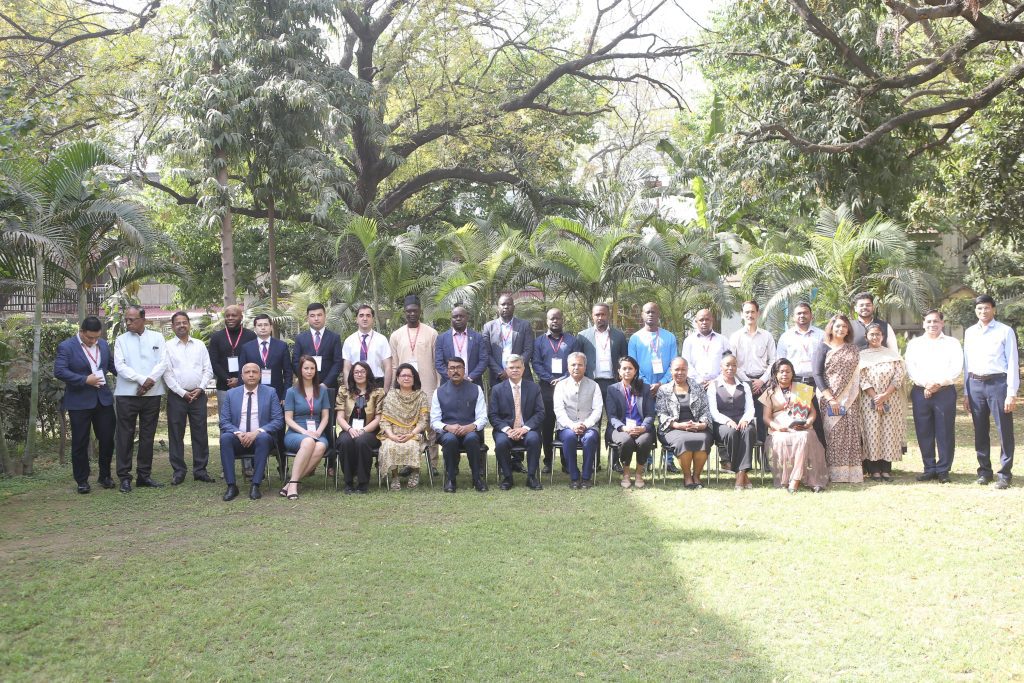
New Delhi: Housing and Urban Development Corporation (HUDCO) has successfully concluded the 60th Indian Technical and Economic Cooperation (ITEC) Training Programme on “Towards Sustainable Urban Mobility in Developing Urban Context,” a two-week international capacity-building initiative sponsored by the Ministry of External Affairs.
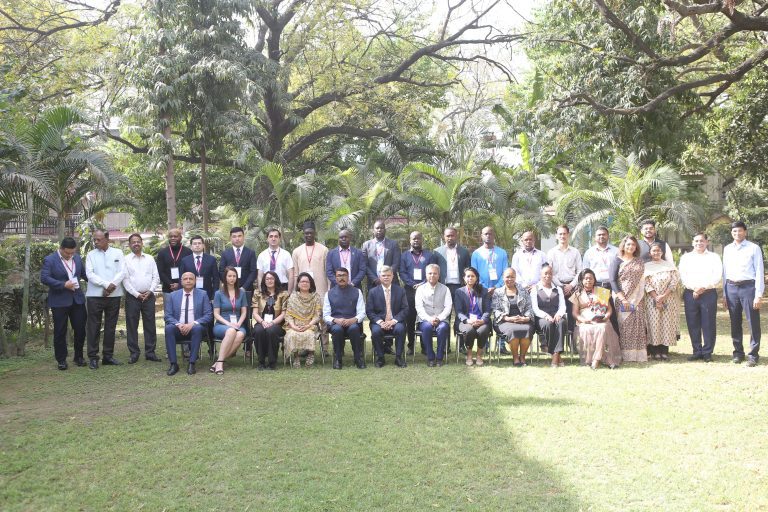
The programme was conducted from March 11 to March 23, 2026, at HUDCO’s HSMI Hostel, AGVC campus in New Delhi and brought together 22 participants from 17 partner countries under the ITEC framework.
The initiative focused on strengthening technical understanding, policy capacity and practical exposure in the field of sustainable urban mobility, especially for developing urban environments facing growing transportation pressures.
22 Participants from 17 Countries Join Capacity-Building Initiative
The programme saw participation from officials and professionals representing 17 ITEC partner nations, reflecting India’s expanding developmental cooperation outreach.
Read also: HUDCO Launches UiWIN to Support Investment-Ready Urban Infrastructure Projects Across India
The participating countries included Botswana, Bulgaria, Ecuador, Kenya, Lesotho, Liberia, Malawi, Mauritius, Nigeria, Sri Lanka, Tajikistan, Tanzania, Trinidad and Tobago, Tunisia, Uzbekistan, Vietnam and Zimbabwe.
The diversity of participation created a multi-regional platform for sharing urban transport challenges and policy approaches.
HUDCO CMD Highlights Value of Global Experience Sharing
During the valedictory session, Sanjay Kulshrestha, Chairman and Managing Director of HUDCO, said the programme had evolved into a dynamic platform for international exchange of ideas and practical learning.
He underlined that participants benefited significantly from comparing mobility models, institutional responses and planning frameworks adopted in different regions.
According to him, discussions on innovative transport solutions and shared experiences from diverse geographies enriched the learning process and strengthened the ability of participants to design mobility interventions suited to their own national contexts.
Programme Combined Academic Sessions, Field Visits and Practical Exposure
The two-week programme was structured as a comprehensive learning exercise combining classroom sessions, field-based observation and cross-country dialogue.
Participants underwent academic modules alongside practical visits designed to expose them to functioning transport infrastructure and governance systems.
The concluding sessions reflected the programme’s objective of linking policy theory with operational realities in urban mobility.
Wide Range of Urban Mobility Themes Covered
The curriculum covered a broad range of critical themes shaping sustainable mobility in rapidly urbanising regions.
These included:
- land-use and transport integration
- public transport planning
- electric vehicle transition
- road safety frameworks
- inclusive mobility design
- institutional mechanisms
- emerging smart mobility technologies
The programme was designed to ensure that participants understood both strategic planning dimensions and practical implementation challenges.
Participants Visit India’s Regional Rapid Transit System
A major practical component of the programme involved exposure to India’s pioneering Regional Rapid Transit System(RRTS).
Officials associated with the system briefed participants on its operational design, technological features and regional impact.
The visit offered direct insights into how high-speed regional transit can improve inter-city connectivity while reducing urban transport pressure.
Participants were introduced to planning principles behind the system and its contribution to transit efficiency in expanding metropolitan corridors.
Focus on Technology, Governance and People-Centric Mobility
HUDCO designed the programme as an integrated initiative linking planning, governance, technology and social inclusion.
The training placed emphasis on ensuring that future mobility systems remain people-centric while adapting to technological transitions.
The programme also highlighted how institutional coordination and policy continuity remain critical to long-term mobility success.
ITEC Continues as Key Instrument of Development Cooperation
The ITEC platform remains one of India’s most significant tools for international technical cooperation.
By bringing together officials and practitioners from partner countries, the programme helps create long-term institutional relationships and shared policy understanding.
Officials noted that such initiatives strengthen India’s role in supporting sustainable development among developing nations.
India Expands Global Urban Development Cooperation
The successful completion of the 60th edition of the programme also reflects India’s continued commitment to knowledge-led diplomacy in infrastructure and urban governance.
Through technical exposure and collaborative learning, the initiative contributes to building resilient, inclusive and future-ready urban systems across partner countries.
About HUDCO
Housing and Urban Development Corporation Ltd (HUDCO) is a Navratna NBFC under the Ministry of Housing and Urban Affairs, India. Established to support urban development across the country, HUDCO provides financial assistance, technical expertise, and advisory services to cities and Urban Local Bodies for sustainable infrastructure development. Through initiatives like UiWIN, HUDCO aims to strengthen project preparation, mobilize investments, and facilitate modern, resilient urban growth in India.