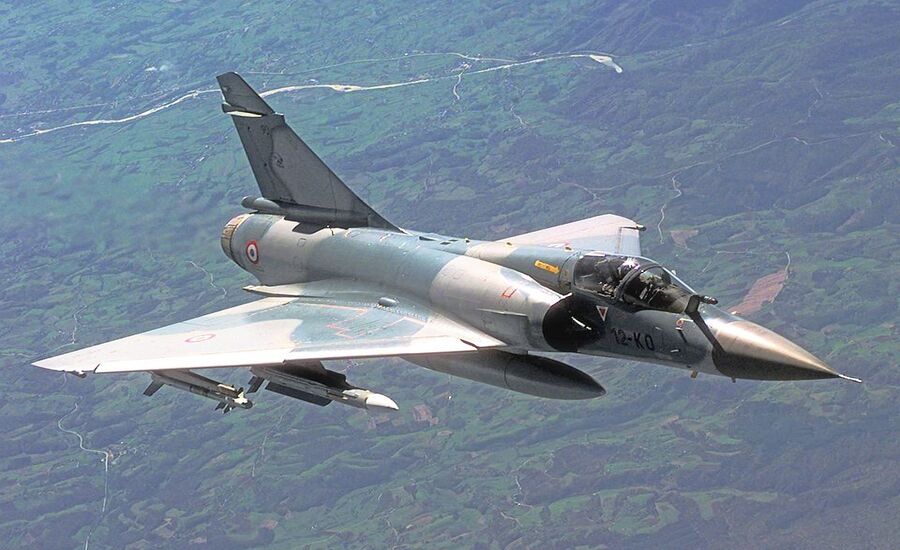
New Delhi: The IAF Mirage 2000 lifespan extension has emerged as a key step in India’s air power strategy, ensuring that these proven fighter jets remain operational till the mid-2030s. The Indian Air Force (IAF) is upgrading and sustaining its Mirage 2000 fleet to bridge capability gaps caused by delays in new aircraft induction and falling squadron strength.
This move highlights India’s focus on maintaining combat readiness while transitioning to indigenous and next-generation fighter platforms.
What is the Importance of Mirage 2000 Aircraft
The Mirage 2000 has been one of the most reliable and battle-proven aircraft in the IAF fleet.
It has played a key role in major operations, including the Kargil War and Balakot airstrike.
- Known for high precision strike capability
- Compatible with advanced weapons like Spice-2000 bombs
- Highly dependable in high-altitude missions
Even after decades of service, the aircraft continues to deliver strong performance due to continuous upgrades and maintenance programs.
What is Lifespan Extension
The IAF has undertaken multiple modernization efforts to extend the life of Mirage 2000 jets:
- Mid-life upgrades with advanced avionics and radar systems
- Integration of modern electronic warfare systems
- Improved cockpit and mission systems
These upgrades are expected to keep the fleet operational till around 2035 or even beyond, depending on operational needs.
This extension ensures that the Mirage 2000 remains a critical bridge platform until newer aircraft like Tejas Mk2 and AMCA are fully inducted.
Why Does India Need IAF Mirage 2000 Upgrade
Here are the reasons for IAF Mirage 2000 upgrade;
1. Falling Squadron Strength
The IAF currently operates far fewer squadrons than required.
- Required strength: 42 squadrons
- Current strength: around 30–31 squadrons
This gap makes it essential to keep older but capable aircraft operational.
2. Delay in New Fighter Programs
Indigenous and foreign procurement programs have faced delays:
- Tejas Mk1A deliveries affected by engine supply issues
- Future platforms like AMCA still under development
As a result, extending existing fleets like Mirage 2000 becomes a practical necessity.
3. Cost-Effective Solution
Upgrading existing aircraft is far cheaper than buying new ones.
- Upgrade programs cost significantly less than acquiring new fighters like Rafale
- Ensures operational readiness without massive expenditure
What is the Role of Mirage 2000
The Mirage 2000 will continue to serve as a multi-role fighter:
- Air superiority missions
- Precision ground strikes
- Strategic deterrence
It will operate alongside modern aircraft such as:
- Rafale fighter jets
- Su-30MKI (upgraded under “Super Sukhoi” program)
This mix creates a balanced and layered air combat capability.
Bigger Picture: Transition to Future Fleet
The Mirage 2000 extension is part of a broader modernization plan:
- Gradual retirement of legacy aircraft by 2035
- Increased focus on indigenous fighter jets
- Integration of drones and next-gen combat systems
India aims to build a future-ready, self-reliant air force over the next two decades.
Read also: Inside the Indian Army’s ‘Bhairav’ Force: How 100,000 Drone Warriors Are Transforming Modern Warfare