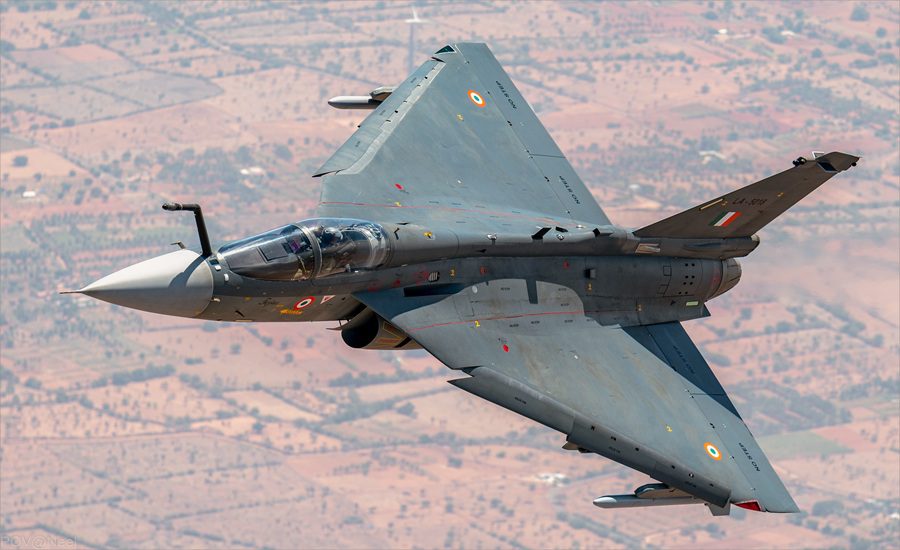
New Delhi: In a major move to modernise its combat fleet, the Indian Air Force (IAF) is planning to retire two ageing SEPECAT Jaguar fighter squadrons and replace them with domestically produced HAL Tejas Mk1A Light Combat Aircraft starting from late 2028. This strategic transition underscores India’s push for self-reliant defence manufacturing and reflects a broader shift in force structure modernisation.
Background of Jaguar Squadrons Replacement
The SEPECAT Jaguar has served the IAF for over four decades as a deep-penetration strike aircraft. However, a large portion of Jaguar airframes operated by the force represent early variants (DARIN-I and DARIN-II) that were not included in the more comprehensive DARIN-III upgrade programme.
These older airframes face increasing operational limitations due to scarcity of spares, outdated avionics, and rising maintenance difficulties.
To bridge ongoing supply challenges, the IAF recently secured access to retired Jaguars from Oman to cannibalise parts and keep the existing fleet flying until replacements arrive.
The Transition Plan of Jaguar Squadrons Replacement
Here are the step-by-step transition plan of Jaguar Squadrons replacement
Preparatory Phase (2026-2028)
According to defence sources, the preparation for the transition will begin towards the end of 2026.
This phase will include:
- Specialized training for pilots and ground crews.
- Maintenance familiarization with new Tejas systems.
- Integration of advanced avionics and Electronic Warfare (EW) protocols.
The aim is to ensure a seamless shift from Jaguars to Tejas Mk1A aircraft when the first operational retirements occur from late 2028 or early 2029.
Why Tejas Mk1A Chosen as the Jaguar Squadrons Replacement
IAF chose Tejas Mk1A as the Jaguar Squadrons replacement due to the following reasons;
Capability Leap
The HAL Tejas Mk1A is a more modern, multi-role fighter compared with the Jaguar’s traditional strike focus.
Key advantages include:
- Active Electronically Scanned Array (AESA) radar
- Rugged Electronic Warfare (EW) suite
- Compatibility with beyond-visual-range (BVR) missiles such as Astra
- Superior agility and sustainment through improved maintenance cycles
This transition effectively shifts the IAF toward a network-centric, multi-role combat fleet optimised for both air-defence and strike missions.
Fleet Rationalisation and Operational Efficiency
Beyond enhancing capability, the replacement of Jaguars with Tejas Mk1A fighters also contributes to significant fleet rationalisation.
Reducing the number of distinct aircraft types simplifies logistics, spares provisioning, and training pipelines — all critical for long-term operational sustainability.
By migrating pilots and technicians to a more uniform fleet ecosystem, the IAF expects to lower sustainment costs and improve overall readiness.
Production and Supply Chain Synchronisation
This strategic change aligns with production planning by Hindustan Aeronautics Limited (HAL), which has ramped up assembly lines for Tejas aircraft.
Under recent orders, HAL is expected to deliver a large batch of Tejas Mk1A fighters throughout the late 2020s, enabling the force to begin phased squadron induction from 2028 onwards.
Additionally, HAL has indicated that the Tejas Mk1A production line could remain open until at least 2032, reinforcing the likelihood of further orders beyond the current plan.
Strategic Implications of Jaguar Squadrons Replacement
Here are the key implications of Jaguar Squadrons replacement;
Boost to Indigenous Defence Industry
Replacing legacy fighter squadrons with Tejas Mk1A represents a major milestone for India’s Atmanirbhar Bharat (self-reliance) initiative.
The Tejas programme’s success also boosts confidence in domestic aerospace R&D and strengthens India’s defence industrial base.
Impact on IAF Squadron Strength
The push for modernisation comes at a critical moment for the IAF, which has struggled with a shortage of active squadrons against authorised strength.
Inductions like Tejas Mk1A, Rafale, and future platforms like Tejas Mk2 and AMCA are essential to rebuilding combat capabilities.
Looking Ahead: The Future Fleet Roadmap
While the Tejas Mk1A will play a central role in replacing Jaguars, the IAF is simultaneously advancing work on next-generation fighters such as the Tejas Mk2 (Medium Weight Fighter) and exploring AMCA (Advanced Medium Combat Aircraft) to future-proof the force’s aerial dominance into the 2030s.
These developments are critical given the broader regional security environment and the need for a technologically future-ready air force with strong indigenous content in its combat aviation portfolio.
Read also: India’s Shield in the Sky — DRDO SRK EW Suite Brings Unmatched Protection for Tejas Mk1A