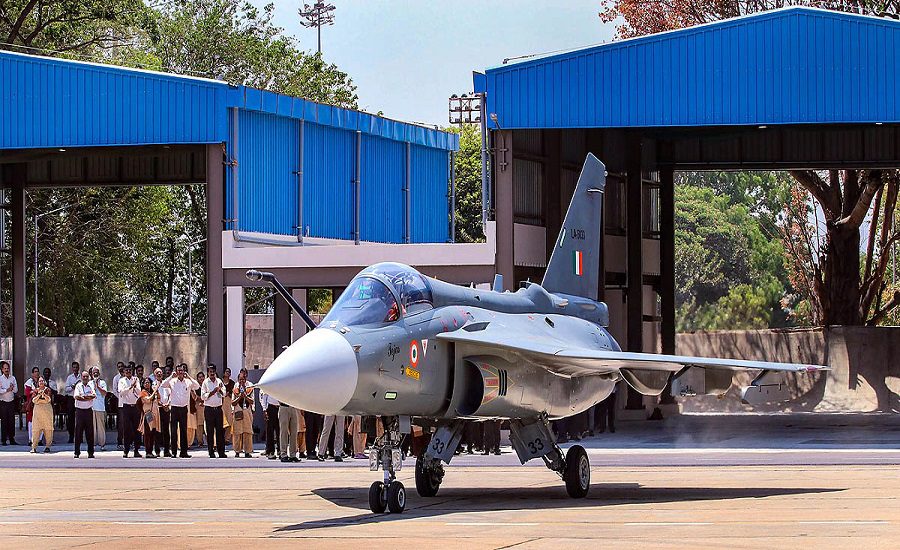
Dubai: Fighter jet accidents during airshows and test flights are rare but dramatic reminders of the risks involved in aviation. The recent crash of India’s HAL Tejas at the Dubai Airshow, which tragically claimed the life of Wing Commander Naman Syal, has renewed attention on the safety and reliability of modern fighter jets. While the Tejas program continues to demonstrate strong performance and a solid safety record, a comparative look at regional jets – including Pakistan’s JF-17 and F-16, and China’s J-10, J-11, and J-15 – reveals that even the most advanced aircraft are not immune to accidents.
Tejas Crash at Dubai Airshow: Context and Cause
During a high-risk aerobatic demonstration, the Tejas performed a circular loop maneuver. Although the first loop was successful, the pilot likely experienced spatial disorientation during the second attempt, causing the aircraft to crash instantly. The jet burst into flames, leaving Wing Commander Syal no chance to eject. The Indian Air Force has ordered a court of inquiry to investigate the technical causes of the crash, while reaffirming the aircraft’s overall safety and performance record.
Spatial Disorientation: A Leading Cause of Airshow Accidents
Spatial disorientation occurs when a pilot’s sensory perception conflicts with the aircraft’s actual position, often leading to misjudgment of motion, attitude, or altitude. Experts note that this phenomenon is a major cause of aerobatic accidents worldwide. Historically, airshow crashes have affected top-tier jets, including the US F-16, Russia’s Su-57, and older Soviet-era fighters like the Su-27, which was involved in the 2002 Skniliv Air Show tragedy.
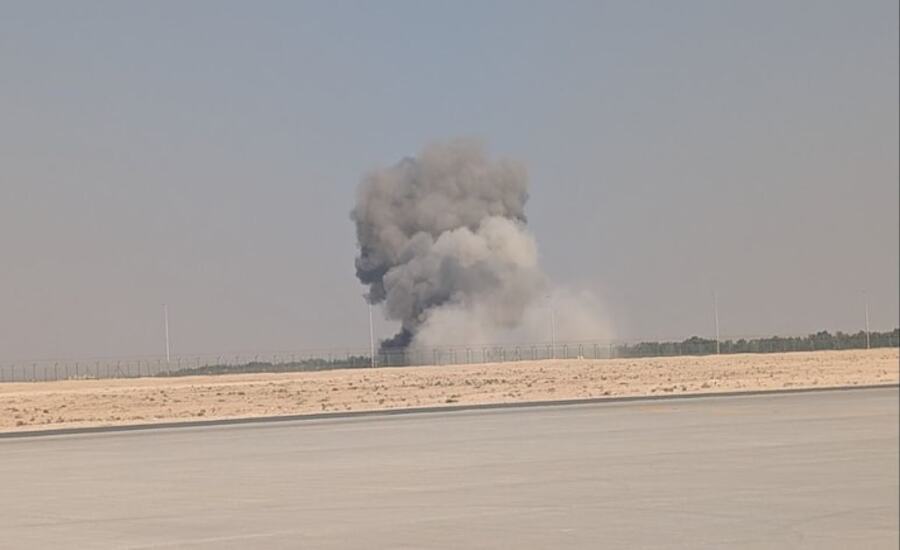
Historical Context: Airshow Accidents
US F-16: Over 4,600 units produced; multiple airshow crashes globally, including a 2020 crash in Islamabad.
- Russia Su-57: Crashed during testing in 2019.
- Su-27 (Ukraine, 2002): Skniliv Air Show crash killed 77 people.
- Ramstein Air Show (Germany, 1988): 70 fatalities.
Despite these global incidents, the Tejas has maintained a strong safety record, with only two crashes in 24 years of operation.
Tejas: Symbol of Indigenous Defense Capability
The HAL Tejas program, initiated in the 1980s, first flew in 2001. Today, the IAF operates two squadrons, with orders for 83 Mk1A jets scheduled for 2021 and an additional 97 by 2025. By 2035, India aims to field over 300 Tejas jets.
Critics questioning the aircraft’s safety are considered technically incorrect, as Tejas’ accident rate is far lower than comparable jets like Pakistan-China’s JF-17 (five crashes since 2003) or China’s J-10, J-11, and J-15 (15+ accidents).
International Implications
The crash comes at a critical time as India seeks foreign buyers for the Tejas fighter jet. Countries showing interest include Argentina, Egypt, Indonesia, Malaysia, Nigeria, and the Philippines. Negotiations were underway with Brazil for a barter deal involving the Tejas Mk1A.
This incident on a global platform like Dubai could be leveraged by adversaries for propaganda, but experts stress that one accident does not undermine the program’s credibility.
Comparative Safety Record of Regional Jets
Pakistan Jets
JF-17 Thunder: 5 crashes since 2003, primarily engine or technical failures.
F-16 Fighting Falcon: 8+ crashes, including bird strikes, engine failures, and technical malfunctions.
Mirage III/5: 10+ crashes, mainly due to old airframes and structural failures.
Chinese Jets
J-10: 4+ accidents, mainly engine and mid-air collision issues.
J-11 and J-15: 7+ accidents; WS-10 engine reliability issues prevalent.
Tejas
- 2001–2025: Over 1,200 flights with only two crashes, demonstrating high reliability.
- Lessons learned from the first crash led to strengthened monitoring and safety protocols.
Resilience and Future of Tejas Program
Despite the tragic accident, the Tejas program remains robust. The IAF has not grounded the fleet, and domestic and export orders continue. Improvements, including enhanced engine health checks and upgraded Mk1A variants, demonstrate the program’s resilience.
Experts stress that every airshow crash, while tragic, offers lessons for aviation safety. The Tejas program’s strong track record, indigenous development, and ongoing upgrades ensure it remains a cornerstone of India’s air defense capability.
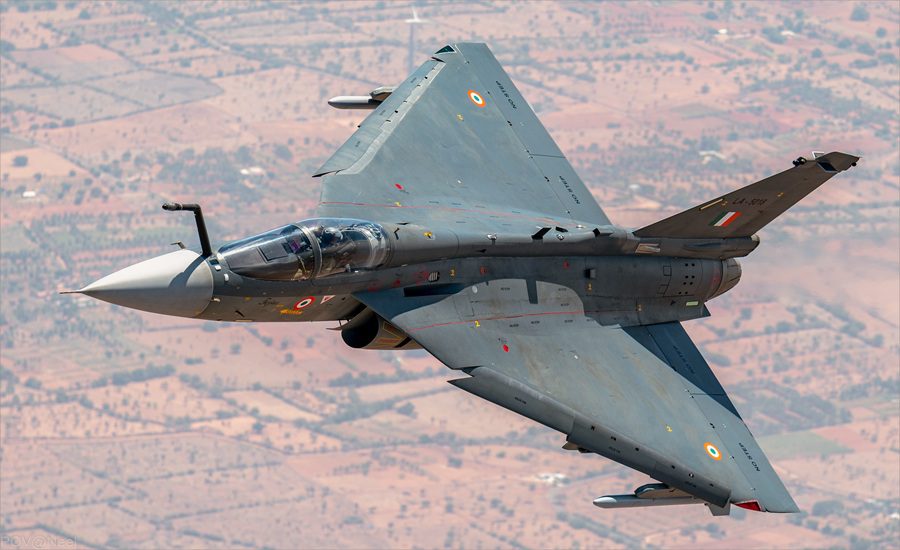
Tejas Program: Strong Safety Record Amid Challenges
In comparison, the HAL Tejas has flown over 1,200 test flights since 2001, with only two crashes –
- Jaisalmer, 2024: Trainer variant crash due to oil pump malfunction. Pilot ejected safely.
- Dubai, 2025: Low-level aerobatic crash, resulting in Wing Commander Naman Syal’s death.
The program has leveraged these incidents to strengthen safety protocols, including improved engine health monitoring, and continues with domestic and international orders. Unlike some regional jets, Tejas’ setbacks have been isolated incidents rather than systemic failures, highlighting the robustness of India’s indigenous fighter program.
Global Lessons: Why One Accident Doesn’t Define a Jet
Airshow and test-flight accidents are not unique to India. Even jets with decades of service, like the F-16 (4,600+ units) or Pakistan-China co-developed JF-17, have experienced multiple crashes. The key is learning from these accidents—upgrading safety systems, improving pilot training, and continuously refining aircraft design. The Tejas crash, while tragic, underscores the importance of resilience and iterative improvement in fighter jet programs.
Strategic Implications for India
While the Dubai crash may temporarily draw attention from international customers, India’s Tejas program remains on track with large domestic orders and growing export interest from countries like Argentina, Malaysia, Indonesia, and Brazil. Comparisons with regional jets demonstrate that even top-tier programs face risks, but sustained investment and upgrades ensure long-term credibility.