New Delhi/Lucknow: In two important bureaucratic developments, Department of Personnel and Training has ordered the immediate cadre reallocation of senior IAS officer A Vani Prasad from Andhra Pradesh to Telangana, while the Government of Uttar Pradesh has promoted senior IPS officer L V Antony Dev Kumar to the rank of Director General of Police.
The two decisions, issued separately, reflect significant movement in cadre management and senior police leadership appointments, with one linked to a judicial directive and the other to vacancies created at the top level of the police hierarchy.
DoPT Directs Immediate Relief of A Vani Prasad for Telangana Posting
The Department of Personnel and Training has instructed the Andhra Pradesh government to immediately relieve A Vani Prasad so she can join the Telangana cadre without delay.
The move follows a direction of the Telangana High Court, which ruled that the officer—originally part of the undivided Andhra Pradesh cadre before the 2014 bifurcation—should be shifted to Telangana.
High Court Order Drives Cadre Reallocation
The issue relates to cadre allocation disputes that arose after the bifurcation of Andhra Pradesh in 2014, when officers of the undivided cadre were divided between Andhra Pradesh and Telangana.
According to the High Court ruling:
• A Vani Prasad originally belonged to the combined Andhra Pradesh cadre
• Her case merited reallocation to Telangana
• The transfer was to be implemented without administrative delay
Following this, DoPT formally communicated to the Andhra Pradesh government that the officer must be relieved immediately.
Andhra Pradesh Asked to Ensure Immediate Compliance
The DoPT communication specifically directs the Andhra Pradesh government to:
• Relieve the officer immediately
• Facilitate her joining in Telangana
• Avoid delay in implementation of the court-backed decision
The order effectively closes a long-pending cadre issue that had administrative implications after state bifurcation.
Importance of the Reallocation
Cadre allocation matters between Andhra Pradesh and Telangana have remained sensitive since bifurcation, particularly involving senior IAS and IPS officers whose postings affect departmental continuity and state administrative balance.
The reallocation of a 1995-batch officer is significant because senior officers at this level usually hold major departmental responsibilities and policy roles.
UP Promotes L.V. Antony Dev Kumar to Director General Rank
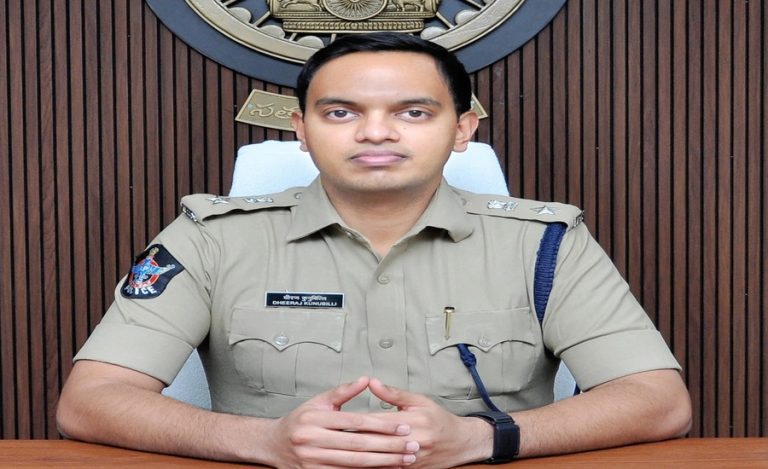
In another major development, the Uttar Pradesh government has promoted senior IPS officer L.V. Antony Dev Kumar to the rank of Director General of Police (Level-16 in the pay matrix).
The promotion order was issued by the state Home Department.
Senior-Most 1994 Batch Officer Elevated First
L.V. Antony Dev Kumar, a 1994-batch IPS officer, is currently serving as Additional Director General, Rules and Manual.
As the senior-most officer in the 1994 batch, he became the first eligible officer to be elevated after recent vacancies emerged at DG rank.
Vacancies Created After Retirement of Three Senior DG-Level Officers
The promotion follows the retirement of three senior IPS officers in February 2026:
• Sandeep Salunke
• M K Bansal
• Dipesh Juneja
These retirements created vacancies at the DG level, prompting elevation of officers from the next eligible batch.
More 1994 Batch Officers Likely to Be Promoted Soon
Two more 1994-batch IPS officers are expected to receive promotion to DG rank shortly.
They are:
• Prakash D, currently ADG Railways
• Jai Narayan Singh, currently ADG Power Corporation
Sources indicate that both names are under active consideration and promotion orders may be issued soon.
Why the DG Promotions Matter in Uttar Pradesh
Uttar Pradesh has one of the largest police structures in India, and DG-level appointments directly influence:
• Senior command hierarchy
• Departmental supervision
• Law-and-order planning
• Administrative restructuring
Promotions at this level often determine future postings to major departments such as law and order, intelligence, training, technical services and special units.
Two Administrative Decisions, Two Different Governance Signals
While the Telangana reallocation reflects judicial enforcement in cadre administration, the UP DG promotion signals routine but important police leadership restructuring.
Together, the two developments underline:
• Continued Centre-led cadre control through DoPT
• State-level senior police restructuring
• Judicial influence on cadre disputes
• Vacancy-driven promotions in senior policing