New Delhi: India’s defence export growth is entering a new phase as the country moves from being only a licensed manufacturer of foreign weapons to a major exporter of advanced defence systems.
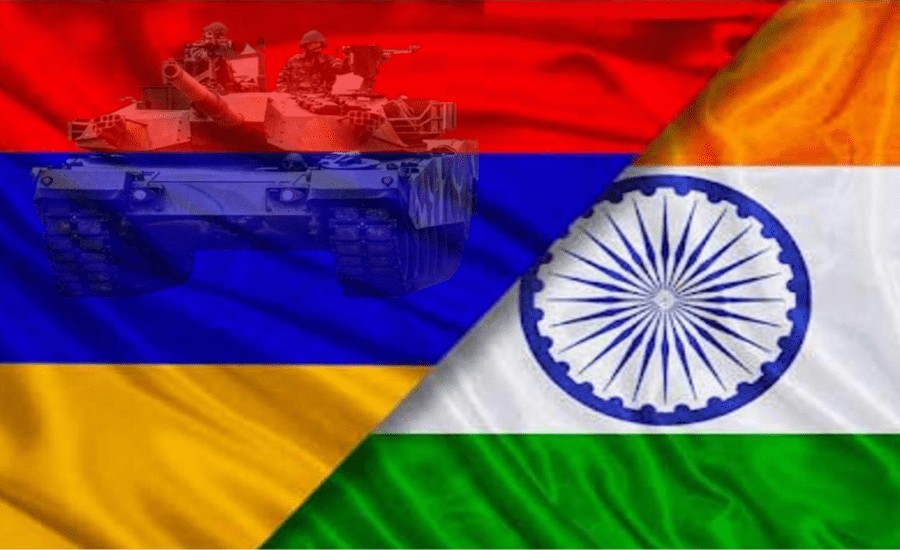
A proposed $3 billion “Super 30” defence deal involving made in india Su-30MKI fighter jets for Armenia highlights this transformation. The agreement, if finalized, could mark a historic moment for India’s aerospace industry and its ambitions under the Atmanirbhar Bharat initiative.
India’s defence exports have already reached a record ₹23,622 crore (about $2.76 billion) in FY 2024-25, showing steady growth and strengthening the country’s position as a reliable defence supplier in the global market.
Background of India-Armenia Super 30 Fighter Jet Deal
The proposed deal reportedly involves 8–12 upgraded Su-30MKI fighter jets, which India would supply to Armenia after modernising them under the “Super 30” upgrade program.
Key highlights of the deal
- Estimated value: around $3 billion
- Aircraft: Su-30MKI multirole fighter jets
- Quantity: 8–12 aircraft
- Buyer: Armenia
- Purpose: Modernising Armenia’s air force capability
The “Super 30” upgrade aims to improve avionics, radar systems, weapons integration, and electronic warfare capabilities of the aircraft. If implemented successfully, it will significantly enhance Armenia’s air combat capability while showcasing India’s defence manufacturing and upgrade expertise.
This project also demonstrates India’s growing ability to export high-end military platforms, not just spare parts or basic equipment.
From Importer To Exporter: A Strategic Shift
For decades, India was one of the world’s largest arms importers. However, recent policy reforms and investments in domestic manufacturing have started to change this picture.
Government initiatives such as Atmanirbhar Bharat, defence production incentives, and simplified export procedures have helped the industry expand rapidly.
Key milestones
- Defence exports increased to ₹23,622 crore in FY 2024-25.
- This is a 34-fold increase compared to exports in 2013-14.
- India now exports defence equipment to more than 85 countries worldwide.
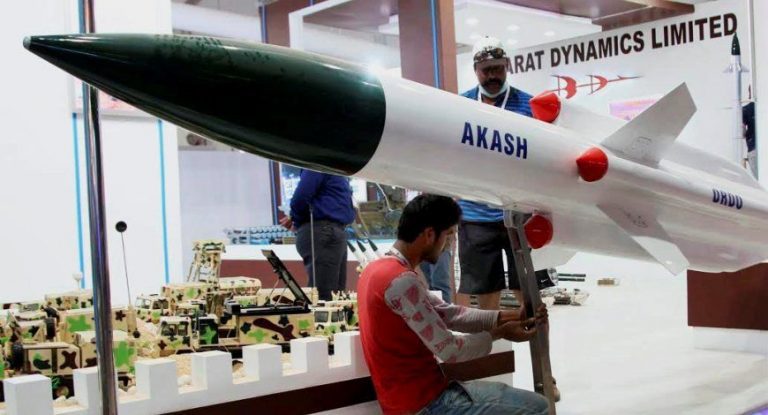
These exports include missiles, artillery systems, radars, naval systems, and aerospace components.
Growth of India’s Defence Manufacturing Ecosystem
India’s defence production ecosystem has grown significantly in the past decade.
- Total defence production reached ₹1.54 lakh crore in FY 2024-25.
- More than 16,000 MSMEs are now part of the defence supply chain.
- Over 788 industrial licences have been issued to defence companies.
Private companies and defence public sector units (DPSUs) both play major roles in this growth.
In FY 2024-25:
- Private sector exports: ₹15,233 crore
- DPSU exports: ₹8,389 crore
This mix of public and private participation is helping India build a stronger and more competitive defence industry.
India-Armenia Super 30 Fighter Jet Deal: Why Armenia Is Turning To India
Armenia has been actively searching for new defence partners due to regional security challenges and changing geopolitical dynamics.
India offers several advantages:
1. Cost-effective defence systems
Indian defence products are often cheaper compared to Western alternatives.
2. Proven military platforms
Systems like the Su-30MKI have been extensively used by the Indian Air Force and proven in multiple exercises.
3. Strategic partnerships
India is increasingly expanding defence ties with countries in Europe, Africa, and Southeast Asia.
Such partnerships strengthen diplomatic relations while boosting India’s defence exports.
India’s Long-Term Defence Export Vision
India has set ambitious targets for its defence sector.
Government goals
- ₹50,000 crore defence exports by 2029
- ₹3 lakh crore defence manufacturing output
To achieve these goals, India is focusing on:
- indigenous weapon development
- defence innovation and startups
- export-friendly policies
- stronger global partnerships
The country is also exploring financial support mechanisms and defence diplomacy to win more international contracts.
What is the Importance of the India-Armenia Super 30 Fighter Jet Deal
If the Armenia deal moves forward, it could bring several strategic benefits:
- Position India as a major fighter aircraft exporter
- Strengthen India’s aerospace manufacturing ecosystem
- Increase confidence in Indian defence technology
- Open doors for more large defence export contracts
It would also signal India’s shift from simply producing foreign designs under license to exporting advanced, upgraded military platforms.