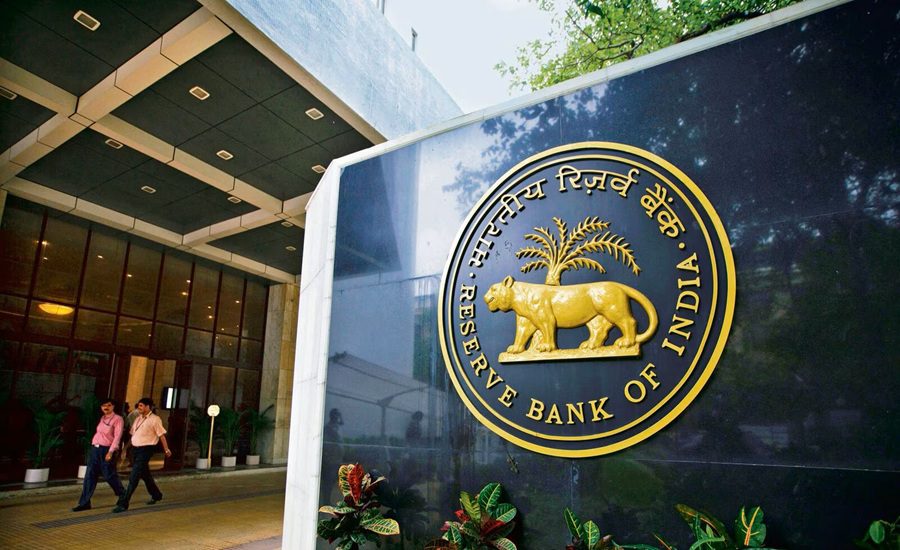
New Delhi: India’s foreign exchange (forex) reserves rose by USD 1.033 billion to USD 687.26 billion during the week ended December 5, the Reserve Bank of India (RBI) reported on Friday. This follows a decline of USD 1.877 billion in the previous week, when reserves had dropped to USD 686.227 billion, reflecting volatility in global financial markets.
Foreign Currency Assets Marginally Decline
Foreign currency assets (FCAs), the largest component of India’s forex reserves, fell slightly by USD 151 million to USD 556.88 billion. FCAs include cash, bank deposits, and other foreign currency instruments, and their value is influenced by fluctuations in the exchange rates of currencies like the euro, pound, and yen against the US dollar.
Read also: India’s Forex Buffer Falls by $4.38 Billion in a Week, Stands at $690.72 Billion
Significant Gain in Gold Reserves
India’s gold reserves rose sharply by USD 1.188 billion to USD 106.984 billion during the week, indicating a growing preference for safe-haven assets amid global economic uncertainties.
Special Drawing Rights and IMF Position Update
The country’s Special Drawing Rights (SDRs) with the International Monetary Fund (IMF) increased by USD 93 million to USD 18.721 billion, while India’s reserve position with the IMF decreased by USD 97 million to USD 4.675 billion. SDRs and IMF reserves form a critical part of India’s international financial stability framework.
Implications for the Economy
The overall increase in India’s forex reserves demonstrates the country’s ability to maintain strong external buffers despite global market volatility. Stable reserves help support the rupee, enhance investor confidence, and provide the government with the flexibility to manage external debt and imports. Analysts suggest that the rise in gold reserves and SDRs, coupled with minor fluctuations in foreign currency assets, indicates prudent reserve management by the RBI.
Outlook
India’s robust forex reserves continue to provide a cushion against global financial shocks, ensuring stability in the external sector. Maintaining a mix of foreign currency, gold, and SDRs helps India hedge against currency risks and ensures liquidity for international trade and debt obligations.
Read also: Delhi’s Administrative Map Redrawn: Government Increases Districts from 11 to 13