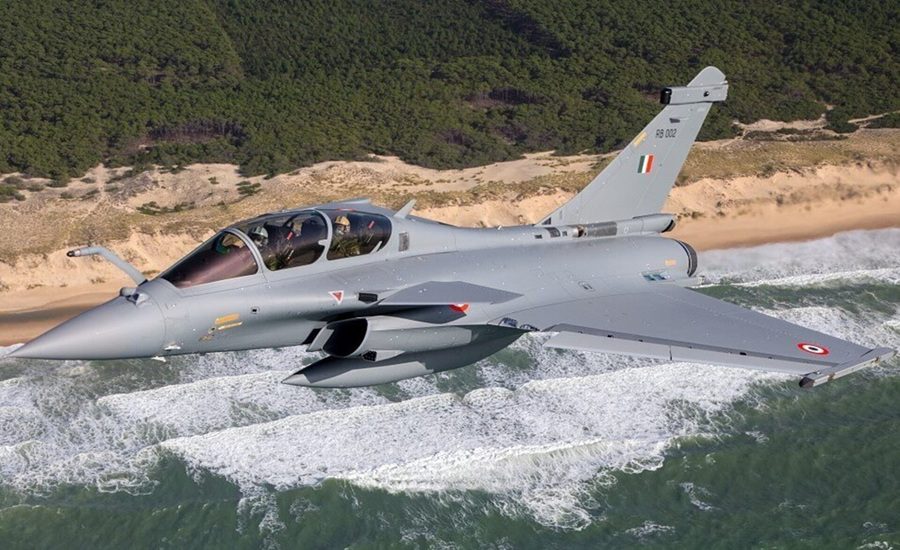
New Delhi: India GCAP Observer Status is becoming a major topic in global defence discussions. Reports suggest that India may choose observer status in the Global Combat Air Programme (GCAP) instead of joining as a full partner. This decision is mainly due to timeline risks, complex technology integration, and strategic concerns.
The GCAP is a sixth-generation fighter jet program led by the United Kingdom, Japan, and Italy. India’s approach could play a key role in shaping its future air power strategy and defence partnerships.
What is GCAP?
The Global Combat Air Programme (GCAP) is a next-generation fighter jet project aiming to develop a 6th-generation stealth aircraft by 2035.
Key companies involved include:
- BAE Systems
- Mitsubishi Heavy Industries
- Leonardo S.p.A.
The program focuses on:
- Artificial Intelligence-enabled combat
- Advanced stealth technology
- Drone teaming capability
- Next-generation sensors and weapons
Why India is Considering Only GCAP Observer Status
1. Timeline Concerns
GCAP targets deployment by 2035, which is a very tight schedule.
India may find it difficult to align its systems and processes within this timeline.
2. Technology Integration Challenges
Joining as a full partner requires:
- Deep system integration
- Sharing sensitive technologies
- Matching foreign design standards
This is complex, especially when India is developing its own programs.
3. Strategic Autonomy
India focuses on maintaining defence independence.
Observer status allows:
- Learning without full commitment
- Monitoring progress closely
- Protecting national interests
Benefits of India GCAP Observer Status
If India joins as an observer, it can still gain:
- Knowledge of 6th-generation technologies
- Exposure to global defence collaboration
- Support for indigenous fighter programs
- Lower financial and technical risk
This balanced approach helps India stay updated without heavy commitments.
Key Challenges of Full Partnership
A full partnership in GCAP may create several issues:
- High financial cost
- Risk of delays due to coordination
- Limited control over design decisions
- Dependence on partner nations
These risks are important for a country focusing on self-reliance in defence.
Impact on of India GCAP Observer Status
India’s decision may affect:
- Development of indigenous fighter jets
- Future global defence collaborations
- Growth of domestic aerospace industry
Observer status can help India learn from global advancements while continuing its own projects.