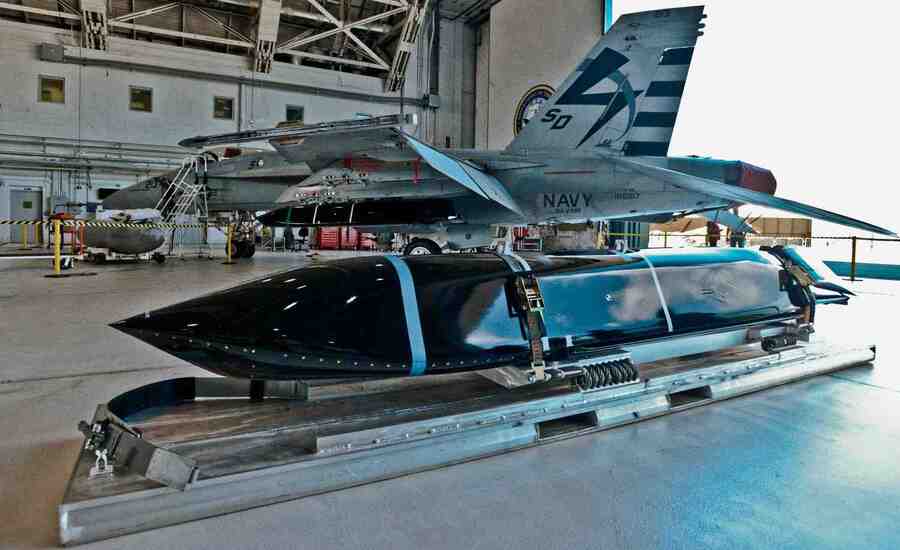
New Delhi: Long-Range Anti-Ship Hypersonic Glide Missile is set to be the centre of attention during India’s 77th Republic Day celebrations, with the unveiling of a cutting-edge naval strike weapon at Kartavya Path in New Delhi. The Defence Research and Development
Organisation’s (DRDO) Long-Range Anti-Ship Hypersonic Glide Missile (LRAShM) will be showcased against the backdrop of strengthened India-EU strategic ties as European Council President and European Commission President attend as chief guests.
What Is the Long-Range Anti-Ship Hypersonic Glide Missile?
India’s new hypersonic naval strike weapon, officially known as the Long-Range Anti-Ship Hypersonic Glide Missile (LRAShM), is a state-of-the-art maritime weapon designed for the Indian Navy. It is capable of flying at hypersonic speeds (Mach 5 and above), making it extremely fast and difficult for enemy radar systems to track and intercept.
Read also: India Successfully Tests 3,500-km Range K-4 SLBM From INS Arihant, Enhances Undersea Nuclear Power
With an estimated strike range of about 1,500 kilometres, the missile represents a significant leap in India’s naval strike capabilities.
The LRAShM is part of India’s broader hypersonic weapons program, being developed with advanced glide technology and aerodynamic efficiency to quickly reach distant targets over open waters.
Why Long-Range Anti-Ship Hypersonic Glide Missile Republic Day Debut Matters
The Republic Day parade is India’s premier national event, showcasing military strength and cultural heritage. Including the LRAShM in the parade highlights India’s growing defence innovation and self-reliance under the “Aatmanirbhar Bharat” initiative.
This debut also comes at a time when India is expanding strategic partnerships globally.
The presence of European Council President and European Commission President as chief guests underscores deepening defence and diplomatic engagement with the European Union, positioning India as a key partner in Indo-Pacific stability.
What are the Features of the LRAShM
Hypersonic missiles like the LRAShM are known for flying at least five times the speed of sound.
This extreme speed, coupled with advanced flight trajectories, helps the missile evade enemy air defence systems more effectively than traditional cruise missiles.
Long-Range Strike Capability
The missile’s 1,500 km range enables the Indian Navy to target hostile warships and maritime assets far from India’s shores. It is designed to defeat warships of varying sizes and levels of defence readiness, enhancing India’s deterrence in the Indian Ocean Region.
Multirole Payloads
The LRAShM can carry a range of payload types. Its flexibility allows it to adapt to multiple mission requirements, whether conventional strike missions or deterrence patrols as part of a broader maritime strategy.
What is the Significance of Long-Range Anti-Ship Hypersonic Glide Missile
India’s maritime strategy focuses heavily on safeguarding critical sea lanes and regional security. With tensions rising in the Indo-Pacific, hypersonic strike capabilities give the Indian Navy a technological edge, particularly against adversary vessels and maritime threats.
Countering Regional Threats
Neighbouring powers, especially those with advanced missile programs, have increased naval deployments in the Indian Ocean.
India’s LRAShM capability is a direct response to this shift, providing faster response options and improved force projection.
Reinforcing Defence Self-Reliance
Showcasing indigenous defence technology at a national event reinforces India’s achievement in reducing dependence on foreign suppliers. It also reflects the government’s focus on innovation and domestic industry growth in high-technology sectors.
International Context: Hypersonics in Global Defence
Hypersonic weapons are currently a major focus across global defence circles. Countries like the United States, China, and Russia are investing heavily in such technologies.
India’s entry into this domain highlights its ambition to remain competitive and technologically advanced among global powers.
What to Expect on Republic Day
Alongside the hypersonic glide missile, the parade will feature other indigenous systems such as artillery, rocket systems, and air defence platforms. The event will combine military prowess with cultural celebration, aiming to inspire public pride and international respect.
The presence of key global leaders reinforces India’s diplomatic outreach while drawing attention to its evolving defence capabilities.
Read also: From High-Tech Drones to Battle-Tested Camels: What Makes Republic Day Parade 2026 Truly Historic