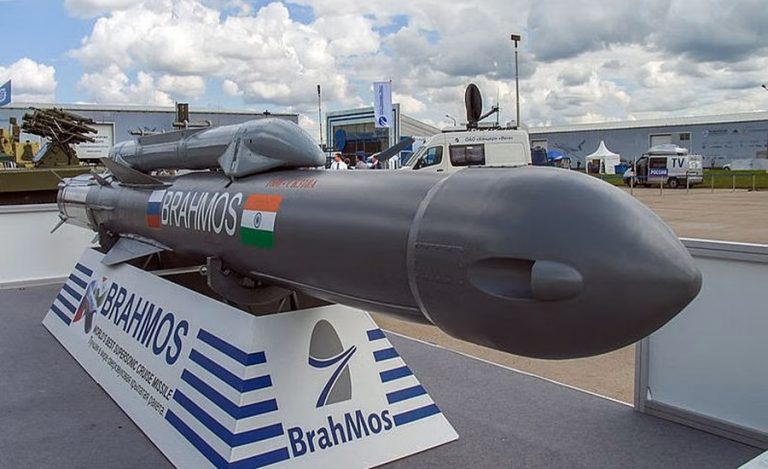
New Delhi: Indian Armed Forces partnership models for indigenous defence innovation are emerging as a major step toward self-reliance and faster military modernisation. India is now focusing on stronger collaboration between the military, academia, and private industry to develop home-grown defence technologies.
These new models aim to reduce delays, cut costs, and improve efficiency by directly connecting field requirements with research and manufacturing.
This initiative aligns with the government’s larger vision of Atmanirbhar Bharat and long-term defence strategies like Vision 2047, which emphasise indigenous innovation and advanced technologies for national security.
What Are the New Indian Armed Forces Partnership Models
The Indian Armed Forces have introduced two key partnership models:
1. User–Academia–Industry Partnership
This model connects:
- Armed forces (users)
- Academic institutions (research)
- Private industry (manufacturing)
How it works:
- Military needs are directly shared with researchers.
- Researchers design solutions based on real battlefield requirements.
- Industry manufactures and scales these solutions.
Why it matters:
- Faster innovation cycle
- Better real-world applicability
- Stronger link between theory and practical defence needs
2. Base Depot (User)–Industry Partnership
This model focuses on:
- Military base depots
- Private manufacturers
Key features:
- Direct collaboration for maintenance, repair, and upgrades
- Faster prototyping and deployment
- Reduced dependency on large defence PSUs
Impact:
- Quick solutions for urgent operational needs
- Improved equipment readiness
- Reduced bureaucratic delays
What is the Importance of Indian Armed Forces Partnership Models
1. Faster Defence Innovation
Traditional systems often caused delays due to multiple layers of approval.
These new models simplify processes, enabling rapid development and deployment.
2. Cost Reduction
By involving private players and reducing dependency on large public units, costs can be controlled more efficiently.
3. Boost to Private Sector
India is encouraging private companies to play a bigger role in defence manufacturing—creating competition and innovation.
Link with Atmanirbhar Bharat
India has been actively promoting indigenous defence production to reduce reliance on imports.
- Government policies support domestic manufacturing
- Defence startups and MSMEs are getting more opportunities
- Indigenous systems improve strategic autonomy
Recent collaborations—like partnerships between the Indian Army and IITs—also show how academia is becoming a key innovation partner.
Real-World Examples of This Approach
- Indian Army partnerships with IITs for advanced tech development
- Indigenous AI systems and defence research projects
- Joint innovation centres like Nodal Indigenisation Centres
These efforts show a clear shift toward collaborative defence ecosystems.
Key Challenges That Still Exist
Despite progress, some challenges remain:
- Technology gaps in high-end systems
- Need for better infrastructure and funding
- Coordination between multiple stakeholders
However, these partnership models aim to address these issues over time.
Strategic Significance for India
1. Stronger National Security
Home-grown technologies reduce dependence on foreign suppliers.
2. Faster Military Modernisation
Quick upgrades and innovations help India prepare for modern warfare.
3. Global Defence Competitiveness
India can become a major exporter of defence equipment in the future.
The Road Ahead
If successfully implemented, these models can:
- Transform India’s defence ecosystem
- Create a robust innovation pipeline
- Position India as a global defence manufacturing hub
The focus is now on speed, flexibility, and collaboration—key factors in modern warfare readiness.