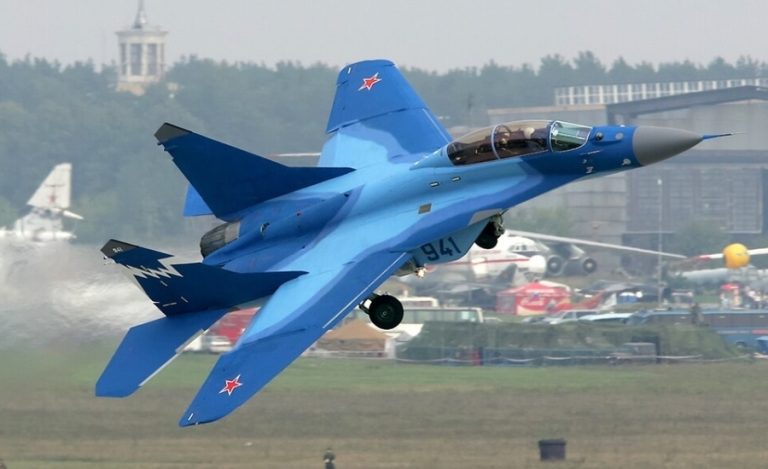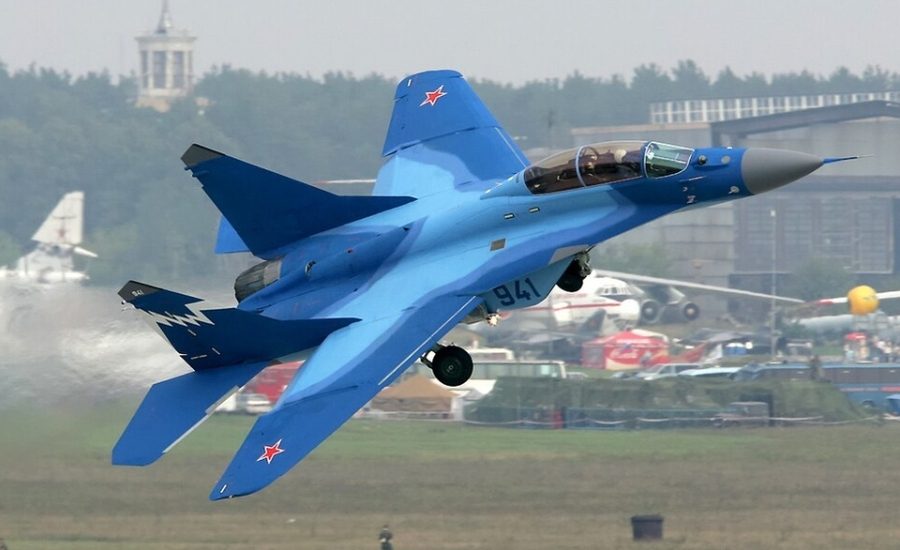
New Delhi: The Indian Navy MiG-29K indigenization push has taken a major step forward as the Indian Navy invites private companies to develop and manufacture critical subsystems of its carrier-based fighter fleet.
This move aims to improve aircraft availability, reduce dependence on foreign suppliers, and strengthen India’s defence self-reliance. The initiative focuses on upgrading key systems of the MiG-29K jets that operate from aircraft carriers, ensuring better operational readiness and long-term sustainability.
Why Do India Need MiG-29K Indigenization
The MiG-29K fleet plays a crucial role in India’s aircraft carrier operations, including deployments on INS Vikramaditya and INS Vikrant. However, the Navy has faced challenges related to maintenance, spare parts, and serviceability.
By involving the private sector, the Navy aims to:
- Reduce dependency on foreign OEMs (Original Equipment Manufacturers)
- Improve fleet availability rates
- Lower long-term maintenance costs
- Build a strong domestic aerospace ecosystem
This aligns with the government’s Atmanirbhar Bharat (self-reliant India) vision in defence manufacturing.
Key Subsystems Targeted for MiG-29K Indigenization
The Indian Navy is focusing on several critical aircraft subsystems, especially those that impact performance and maintenance cycles.
Some of the major areas include:
- Avionics components
- Electrical and electronic systems
- Hydraulic systems
- Mechanical assemblies
- Repair and overhaul technologies
These systems are essential for ensuring that the MiG-29K remains combat-ready during carrier operations.
MiG-29K Indigenization: Role of Private Sector Companies
The Navy has formally invited Indian private defence firms and MSMEs to participate in this project. Companies with expertise in aerospace engineering, electronics, and precision manufacturing are expected to contribute.
This initiative will:
- Encourage innovation in defence technology
- Create new business opportunities for Indian firms
- Reduce delays caused by foreign supply chains
- Promote technology transfer within India
Private players will likely work in collaboration with defence PSUs and research organizations.
What is the Importance of MiG-29K Indigenization
This move is not just about the MiG-29K fleet—it reflects a broader transformation in India’s defence strategy.
Key benefits include:
- Strengthening indigenous manufacturing capabilities
- Enhancing national security through supply chain control
- Generating employment in high-tech sectors
- Building export potential in defence components
The initiative complements ongoing efforts by organizations like Defence Research and Development Organisation to develop indigenous defence technologies.
Key Challenges Ahead
While the plan is ambitious, there are challenges that need to be addressed:
- Ensuring quality standards equal to global benchmarks
- Managing complex technology integration
- Developing skilled manpower
- Maintaining strict timelines
However, with proper collaboration between the Navy and industry, these hurdles can be overcome.
Strategic Significance
The MiG-29K is a key asset for India’s maritime power projection. Improving its reliability directly enhances the operational capability of India’s aircraft carriers.
This initiative also sends a strong message about India’s commitment to:
- Defence self-reliance
- Indigenous innovation
- Strategic autonomy in military operations