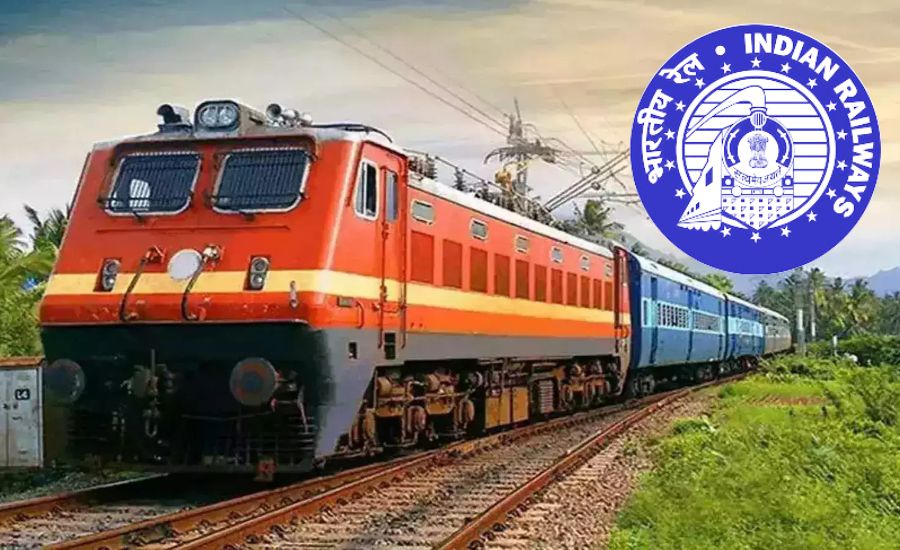
New Delhi: In a major technological leap towards wildlife protection and railway safety, Indian Railways has deployed an AI-enabled Intrusion Detection System (IDS) across 141 Route Kilometres (RKMs) of the Northeast Frontier (NF) Railway to prevent train collisions with elephants. This strategic intervention aims to generate real-time alerts for loco pilots, station masters, and control rooms regarding elephant movement near railway tracks—allowing timely preventive action.
Further, to scale up this initiative nationwide, tenders have been awarded for an additional 981 RKMs of rail routes, marking one of the largest AI-driven wildlife protection measures undertaken by Indian Railways.
Background of AI-enabled Intrusion Detection System
Elephant corridors intersect with numerous railway routes across India, particularly in Assam, West Bengal, Odisha, Jharkhand, and Kerala. Over the past decades, elephant fatalities caused by high-speed trains have been a recurring concern for conservationists and the Railways alike.
The NF Railway region, home to rich biodiversity and a dense elephant population, has recorded some of the highest instances of such tragic collisions. Multiple measures—speed restrictions, signage, joint patrolling, and hotspot mapping—have been implemented in the past, but the challenge required more intelligent, real-time, and scalable solutions.
The Artificial Intelligence-based IDS represents a landmark shift from conventional manual surveillance to predictive, automated monitoring.
AI-Enabled Intrusion Detection System: How It Works
The system, developed using Distributed Acoustic Sensing (DAS) technology, utilizes fibre-optic cables to detect ground vibrations and movements associated with elephants near railway tracks.
Key Functions of the AI IDS:
Real-Time Detection: Identifies elephant presence near tracks with high accuracy.
Instant Alerts: Automatically notifies loco pilots, station masters, and the central control room.
Preventive Action: Provides enough lead time for trains to slow down or stop, avoiding collisions.
Scalability: Designed to monitor long stretches of track with minimal maintenance.
Data-driven Insights: Enables pattern mapping to understand elephant movement trends.
The successful deployment of the system across 141 RKMs of NF Railway is already demonstrating measurable improvements in safety. With tenders approved for an additional 981 RKMs, the objective is to replicate this model across other vulnerable routes in India.
Ongoing AI and Digital Technology Initiatives in Indian Railways
The deployment of the intrusion detection system is part of Indian Railways’ broader transformation through AI, data analytics, and advanced monitoring tools.
1. AI-Driven Predictive Maintenance of Signalling Systems
Pilot initiatives at select railway stations are evaluating:
- Standard Failure and Prediction Logics
- Real-time detection of signalling anomalies
- Improved maintenance cycles
These early-stage trials have already produced encouraging results in enhancing signalling reliability.
2. Upgraded Monitoring Technologies for Rolling Stock and Track Health: Indian Railways is increasingly adopting AI-integrated diagnostics to reduce accidents and improve operational efficiency.
Key Technologies Deployed:
Online Monitoring of Rolling Stock System (OMRS): Evaluates the health of moving trains without manual checks.
Wheel Impact Load Detector (WILD): Ensures predictive maintenance of rolling stock by detecting wheel defects.
Wayside Machine Vision-Based Inspection System (MVIS): Installed through a MoU between Delhi Metro Rail Corporation (DMRC) and IR for better monitoring of components in moving trains.
Automated Wheel Profile Measurement System (AWPMS): Prevents wheel-related accidents by monitoring rail wheel profiles.
These technologies collectively help reduce downtime, avoid mechanical failures, and boost safety.
3. Expanding AI Infrastructure for Future Railway Modernization
The Ministry of Railways aims to integrate AI solutions more deeply into:
- Railway signalling
- Asset management
- Predictive maintenance
- Wildlife and environmental safety
- Passenger experience enhancement
The deployment of the intrusion detection system marks a crucial milestone in the Railways’ long-term digital transformation strategy.
Official Statement
This information was shared by Shri Ashwini Vaishnaw, Union Minister for Railways, Communications, Electronics & IT, in a written reply to a question in the Rajya Sabha. The statement highlights the government’s commitment to merging technological advancements with ecological preservation.