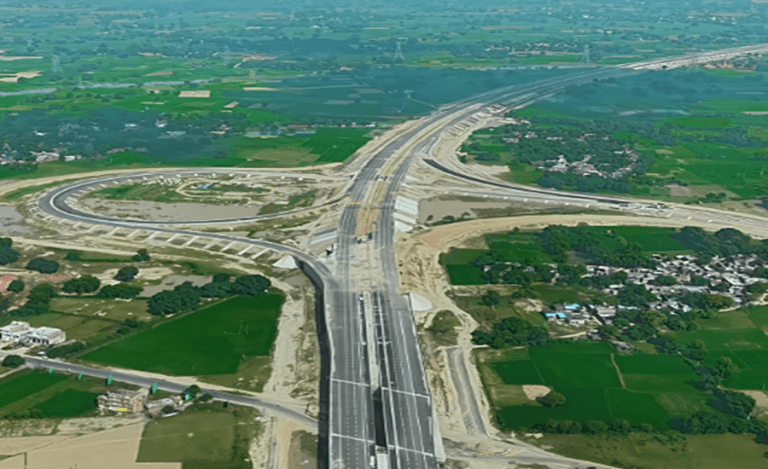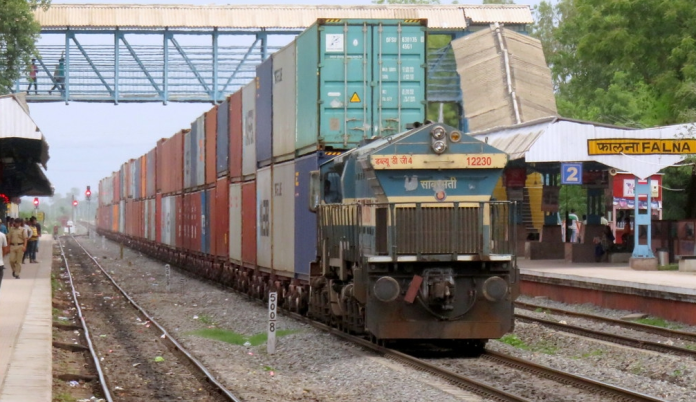
Indian Railways has achieved a major milestone in freight transportation by setting a new national record in freight movement, underscoring its growing operational strength and logistics capability. The Dedicated Freight Corridor (DFC) network has established a new benchmark of efficiency by successfully interchanging 892 freight trains in a single day, marking the highest-ever interchange since the commissioning of the corridors.
This achievement reinforces Indian Railways’ commitment to providing a speedy, reliable, and cost-effective end-to-end freight solution, while simultaneously easing congestion on conventional rail lines and improving passenger train punctuality.
Historic Record Achieved on 5 January 2026
The record was achieved on Sunday, 5 January 2026, when the Dedicated Freight Corridor Corporation of India Limited (DFCCIL) handled 892 interchange trains between the DFC network and five zones of Indian Railways. This surpassed the previous record of 865 trains, which had been set just a day earlier on 4 January 2026, highlighting the rapid scaling-up of freight operations.
The sustained rise in interchange volumes reflects the growing maturity of DFC operations and its ability to handle high-density freight traffic seamlessly.
Efficient Freight Movement Reduces Transit Time and Costs
By leveraging advanced infrastructure, high-capacity corridors, and modern operational systems, the DFC network is ensuring faster and more predictable movement of goods across regions. This has significantly reduced transit times and logistics costs, making rail freight a more competitive and dependable option for industries across the country.
The record interchange performance is playing a crucial role in supporting the transportation of key commodities such as coal, cement, containers, and agricultural produce, ensuring uninterrupted supply chains.
Passenger Services Benefit from Reduced Congestion
The enhanced freight-handling capacity of the DFC is also delivering indirect benefits to millions of passengers. With freight trains increasingly shifted to dedicated corridors, congestion on conventional rail routes has eased, allowing passenger trains to operate more smoothly.
This has resulted in more timely and comfortable passenger services, reduced delays in daily commutes, and improved overall rail network efficiency.
Strong Planning and Traffic Management Drive Success
The milestone achievement reflects DFCCIL’s strengthened planning framework, robust traffic management systems, and growing operational capacity. The record was made possible through:
- Effective regulation of train speeds
- Maintenance of safe headway between trains
- Close coordination between adjoining stations
- Minimal station crossing times for freight trains
These measures ensured safe, fuel-efficient, and uninterrupted operations, even on heavily loaded sections of the network.
Technology and Digital Control at the Core
Modern railway technology played a vital role in achieving this operational feat. The performance was supported by –
- Advanced train scheduling tools
- Real-time traffic monitoring systems
- Automated signalling
- Digital control rooms
- Strict safety protocols
The Central Control system provided network-level planning and supervisory oversight, integrating inputs from all Operational Control Centres and zonal control offices to ensure seamless execution across the DFC network.
High-Power Locomotives and Skilled Crew Enable High-Density Operations
High-power locomotives capable of hauling long and heavy freight trains at higher average speeds were instrumental in achieving the record interchange. Equally critical was the close coordination among loco pilots, assistant loco pilots, and train managers, whose alertness and discipline ensured safe and efficient operations throughout the day.
Additionally, strengthened feeder routes and efficient yard management minimized detention time, enabling faster entry and exit of trains and timely evacuation of freight.
Sustained Growth in Freight Interchange Volumes
The latest record is part of a sustained trend of high-density freight operations on the DFC network. Other notable high-volume interchange days include:
- 846 trains on 30 March 2025
- 830 trains on 14 September 2025
- 820 trains on 31 March 2025
- 812 trains on 3 January 2026
- 808 trains on 25 May 2025
These consistent performances highlight the DFC’s expanding role in transforming India’s freight transportation landscape.
Transforming India’s Logistics Ecosystem
The record freight interchange underscores a broader transformation in India’s logistics ecosystem. By enabling faster, safer, and more reliable freight movement, the DFC is helping lower logistics costs, accelerate delivery of essential goods, and enhance industrial productivity.
While Indian Railways continues to efficiently transport millions of passengers daily, it is also demonstrating its capability to handle high-density freight operations with speed, safety, and reliability, contributing directly to the growth of the national economy.