Ranchi: Jharkhand is set to make its presence felt on the international stage as it participates in the prestigious World Economic Forum (WEF) Annual Meeting in Davos. The forum, recognized as one of the most influential global platforms, brings together governments, industry leaders, financial institutions, multilateral agencies, and civil society to shape the future of the world economy.
WEF: A Platform Where Ideas Meet Action
For over five decades, the WEF Annual Meeting has served as a critical convening space where heads of state, ministers, global CEOs, technology leaders, development banks, and academic institutions collaborate to define strategies for sustainable growth, resilience, and innovation. Unlike ceremonial gatherings, Davos acts as a launchpad for investment pipelines, strategic partnerships, and forward-looking economic policies.
At this global forum, ideas translate into partnerships, and policy discussions converge with capital, innovation, and development priorities to create actionable outcomes. It is where long-term economic narratives are shaped and executed, making it an essential platform for regions aspiring to attract investment and accelerate development.
Read also: Jharkhand CM Hemant Soren Launches Grassroots Innovation Internship, Boosts Education Initiatives
Jharkhand’s Ambitious Leap at 25
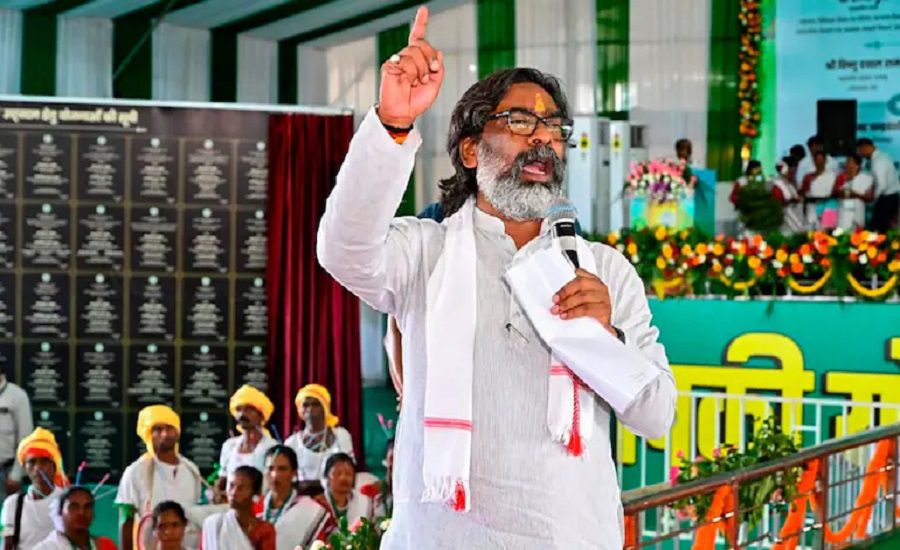
As Jharkhand marks 25 years of its formation, participation in Davos under Chief Minister Hemant Soren signals the state’s entry into a new phase of ambition. Beyond consolidating its existing strengths, Jharkhand aims to leverage its resource potential to create a future of expanding economic opportunities and sustainable growth.
Jharkhand is one of India’s most mineral-rich states, endowed with substantial reserves of coal, iron ore, copper, uranium, and rare earth elements. This positions the state as a strategic hub for India’s industrial, energy, and infrastructure ambitions. At the same time, Jharkhand is home to some of India’s largest indigenous populations and ecologically sensitive areas, underscoring the importance of inclusive and environmentally responsible development.
Strategic Focus Areas
The state’s participation in WEF will highlight Jharkhand’s potential in several key sectors:
- Industrial and Infrastructure Development: Leveraging mineral resources to attract investment and enhance industrial capacity.
- Energy Transition: Promoting renewable energy adoption and sustainable mining practices.
- Inclusive Growth: Ensuring that development benefits local communities, especially tribal populations.
- Innovation and Technology: Encouraging partnerships with global tech firms to modernize governance, education, and healthcare services.
By showcasing its mineral wealth, ecological diversity, and skilled workforce, Jharkhand aims to attract both domestic and international investors while positioning itself as a model for sustainable, resource-driven development.
Looking Ahead
Participation in the WEF Annual Meeting offers Jharkhand an opportunity to engage directly with global decision-makers, forge strategic alliances, and secure investments that can accelerate its economic transformation. As the state charts its growth pathway for the next quarter-century, these international engagements will play a key role in creating a sustainable, inclusive, and prosperous future for all Jharkhandis.
Read also: Jharkhand CM Hemant Soren Inaugurates Netaji Subhas Medical College & Hospital in Saraikela