Davos: Jharkhand is set to position itself as India’s emerging hub for critical minerals at the World Economic Forum (WEF) Annual Meeting 2026 in Davos, marking the state’s first-ever participation at the global summit. The delegation, led by Chief Minister Hemant Soren, will also travel to the United Kingdom following the summit to strengthen international partnerships and investment opportunities.
Highlighting Jharkhand’s Mineral Legacy
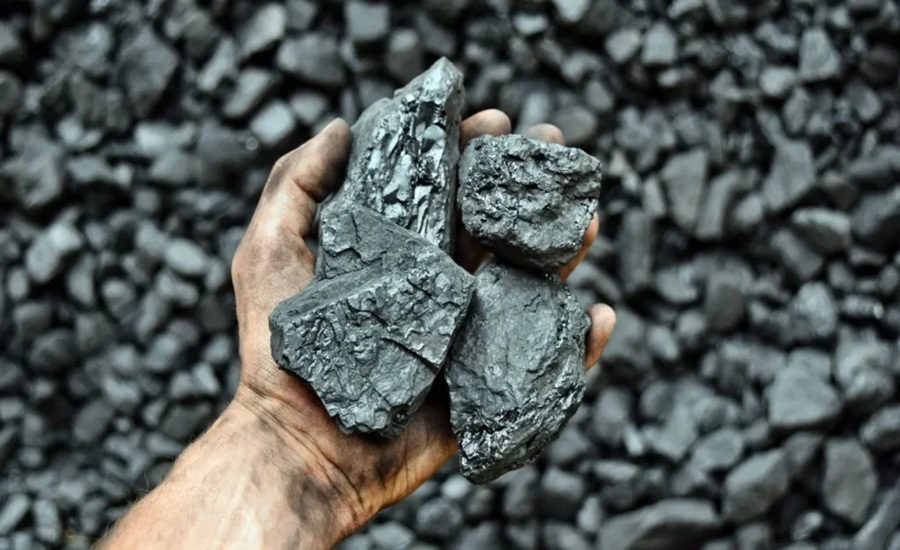
According to official sources, the Soren-led delegation will present Jharkhand as one of India’s most resource-rich mining regions, emphasizing its vital role in powering the clean-energy economy. The state sits on the ancient Singhbhum geological belt and holds vast reserves of iron ore, copper, coal, bauxite, uranium, limestone, and other strategic minerals essential for renewable energy, electric mobility, advanced manufacturing, digital infrastructure, and defence.
Jharkhand’s mineral wealth has historically supported landmark industrial institutions, including Tata Steel in Jamshedpur, India’s first integrated steel plant, along with major public sector enterprises like SAIL, Hindustan Copper and Uranium Corporation of India.
Transitioning Towards Clean-Energy and Advanced Manufacturing
The state government emphasized that Jharkhand is now reshaping its mineral legacy to meet global demand for critical minerals used in solar panels, wind turbines, batteries, hydrogen technologies, and electric vehicles.
As India seeks to reduce strategic dependencies and strengthen supply chains, Jharkhand is moving from raw mineral extraction toward processing, refining, and downstream manufacturing. The delegation will present the state’s development model themed “Growth in Harmony with Nature”, highlighting:
- Responsible mining practices
- Advanced mineral processing technologies
- Environmental safeguards
- Community-centered governance
Investment Dialogues and International Engagements
During the Davos meet, Jharkhand’s delegation will hold policy dialogues and investment meetings at the India Pavilion, followed by targeted engagements in the UK to promote opportunities in:
- Mineral exploration
- Green steel production
- Battery materials and advanced alloys
- Clean-energy supply chains
These initiatives aim to attract long-term investment and technology collaborations, driving sustainable industrial growth across the state.
Marking 25 Years of Statehood and Roadmap to 2050
Jharkhand’s participation at WEF 2026 coincides with the state celebrating 25 years of statehood. The government has outlined a vision for 2050, positioning Jharkhand’s mineral wealth as central to India’s energy security and the global clean-energy transition.
A Critical Minerals Centre has recently been launched at IIT (ISM) Dhanbad under the National Critical Minerals Mission, further strengthening the state’s capabilities in research, processing, and innovation in strategic minerals.
Global Academic Engagements
Following the Davos meeting (January 18–24), CM Hemant Soren will deliver a special lecture at the Blavatnik School of Government, University of Oxford, becoming the first Indian Chief Minister to address the prestigious institution. The lecture will focus on Jharkhand’s sustainable mineral development model, highlighting the state’s potential as a globally competitive and environmentally responsible critical minerals hub.
Jharkhand’s debut at WEF 2026 underscores its strategic importance in India’s clean-energy transition, aiming to attract global investment, enhance technological collaboration, and position the state as a critical minerals and industrial powerhouse.
Read also: 15-Year Shutdown Ends: CCL’s Rajhara Colliery in Palamu Reopens, Creates Employment in Jharkhand