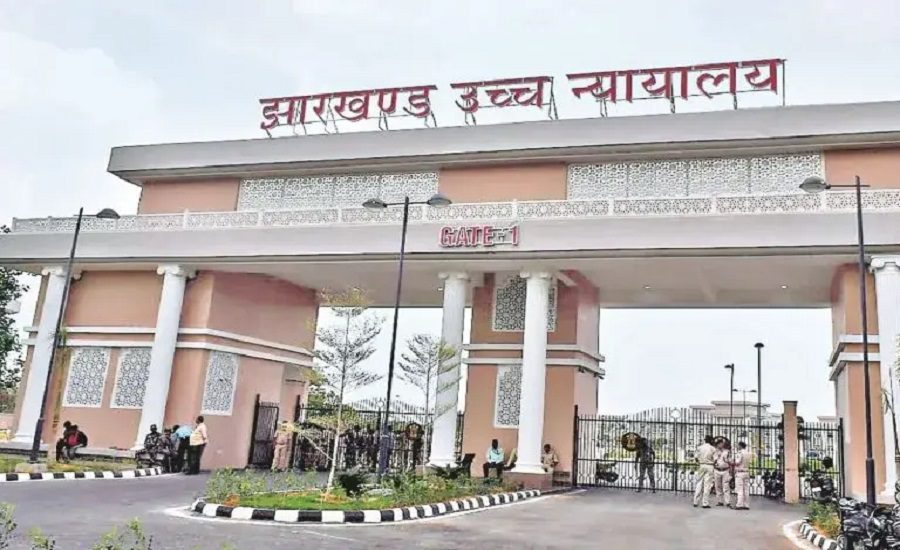
Ranchi, Jharkhand: The Jharkhand government has pledged to make the State Information Commission fully functional within the next four weeks, responding to a stern contempt warning from the Jharkhand High Court. This assurance comes after years of inaction that left the commission defunct and the Right to Information (RTI) framework undermined across the state.
Background of Jharkhand RTI Appeal Restoration
The State Information Commission in Jharkhand has remained inactive for nearly five years, primarily because the posts of the Chief Information Commissioner and other Information Commissioners have remained vacant. This has denied citizens a statutory forum to file second appeals under the RTI Act, 2005.
The absence of a functional commission has forced information seekers to approach the courts directly, contributing to increased judicial workload and undermining the legislative intent of the RTI Act. Experts say such prolonged inactivity erodes public trust in transparency mechanisms and weakens accountability.
High Court Intervention: Timeline and Warning
On 29 January 2026, a Division Bench of the Jharkhand High Court, led by Justice Sujit Narayan Prasad and Justice Arun Kumar Rai, heard a special appeal after a Single Judge had earlier dismissed the petition.
During the hearing, the bench noted that despite an earlier court order dated 12 December 2025 — which referenced the Supreme Court’s directions in Anjali Bhardwaj v. Union of India urging timely appointments — the state government had made no meaningful progress toward reviving the commission.
The High Court warned that if the State Information Commission was not made functional by the next hearing, it would take suo motu cognisance and initiate contempt proceedings against responsible officials.
Jharkhand RTI Appeal Restoration: Government’s Assurance in Court
In response to the court’s firm stance, senior state officials — including Chief Secretary Avinash Kumar and the Secretary of Personnel, Administrative Reforms and Rajbhasha Department, Prawin Kumar Toppo — appeared before the bench and assured that the government is taking “sincere endeavours” to make the commission functional within four weeks.
The Advocate General, Rajiv Ranjan, representing the state, informed the court that concrete steps have been initiated and that the process of appointing the chairperson and members is nearing completion.
Litigant’s Grievance and Legal Remedy
The appeal before the High Court originated from a writ petition filed by Virendra Singh, who argued that due to the Commission’s prolonged inactivity, he could not avail statutory remedy under Section 19(3) of the RTI Act. Dissatisfied with the non-appointment of the commission members, Singh sought relief under Article 226 of the Constitution after departmental responses failed.
His counsel highlighted that after the first appeal was rejected, no forum remained for a second appeal under the RTI Act, forcing litigants to approach the High Court directly. This situation not only hinders access to information but also burdens the judiciary.
Next Hearing and Future Outlook
In light of the state’s assurances, the High Court has scheduled the next hearing on 27 February 2026 to review progress. Stakeholders, including civil society and RTI activists, will be watching closely to ensure that the commission’s revival is meaningful and timely rather than symbolic.
Read also: Uniform Retirement Age for Judges? Supreme Court’s Latest Signal to Jharkhand High Court