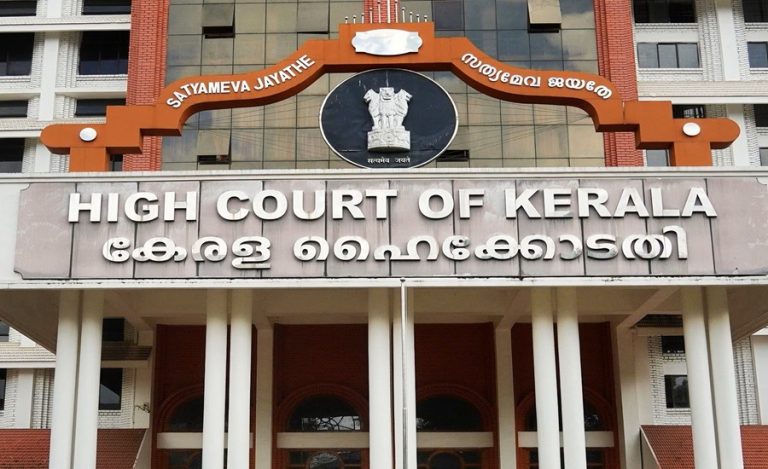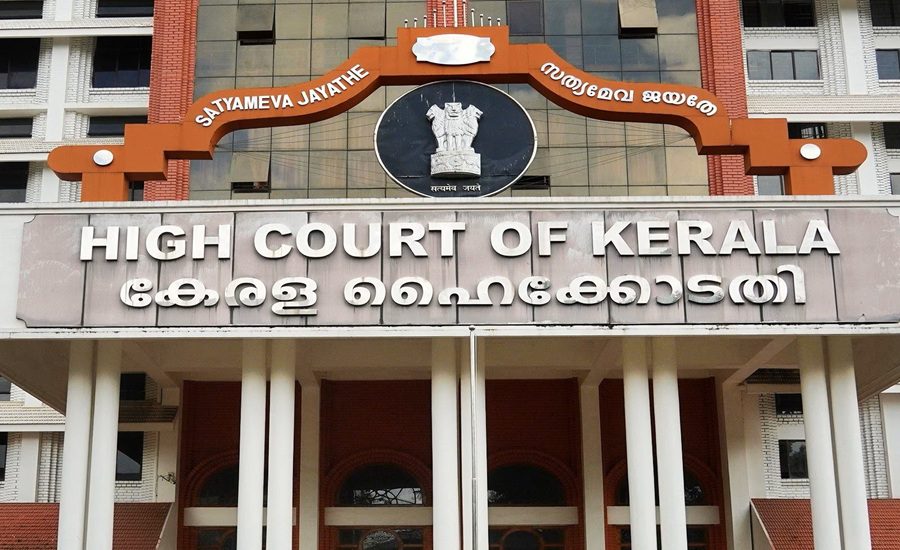
Thiruvananthapuram: The Kerala High Court has refused to stop former Bar Council of Kerala Chairman T.S. Ajith from attending a scheduled function as the Executive Trustee of the Kerala Advocates Academy for Continuing Legal Education Trust.
On October 30, 2026, Justice P.V. Kunhikrishnan dismissed an interim application filed by advocate Yeshwanth Shenoy, observing that the request was not connected to the main prayers in the pending case. The Court also noted that the function was scheduled for October 31 and involved several senior judicial and legal officials.
Why Did The Advocate Approach The Kerala High Court
Advocate Yeshwanth Shenoy filed an interim application seeking to prevent T.S. Ajith from presenting himself as the Executive Trustee of the Bar Council of Kerala Advocates Academy for Continuing Legal Education Trust.
Read also: Inside The Legal Dispute That Prompted Kerala High Court To Issue Notice To Bar Council
He also requested the Court to stop Ajith from attending a scheduled function in that capacity.
The application was filed in a pending case concerning the authority of the Bar Council of India (BCI) and its Chairman over the affairs of the newly elected Bar Council of Kerala.
The petitioner argued that the former Chairman’s continued role in the Advocates Academy Trust raised legal questions under the Kerala Advocates Welfare Fund Act, 1980.
What Is The Kerala Bar Council Dispute Over The Advocates Academy Trust
The dispute is connected to the formation and management of the Kerala Advocates Academy for Continuing Legal Education Trust.
The petitioner referred to a Trust Deed dated June 2, 2025, which established the Bar Council of Kerala Advocates Academy for Continuing Legal Education Trust.
According to Clause 7 of the Trust Deed, the Chairman of the Bar Council of Kerala is designated as the Executive Trustee of the Trust. However, the deed also contains a special provision for the initial ten-year period. It states that the then Chairman would continue as Executive Trustee until the next Chairman assumes charge.
The petitioner questioned the legality of this arrangement, particularly whether a person could continue in the position beyond their elected tenure.
He also raised questions about the relationship between the Trust’s management and the statutory structure of the Bar Council.
Kerala Bar Council Dispute: Petitioner Raises Questions Over Financial Transactions
The petitioner also raised allegations concerning financial transactions related to the proposed construction of the Advocates Academy.
He alleged that an advance payment of Rs. 1.5 crore was made to a contractor even before construction began.
He further claimed that approximately Rs. 1 crore was paid over the following nine months. These were allegations raised by the petitioner and were not findings made by the Court in its October 30 order.
What Did The Kerala High Court Say on Kerala Bar Council Dispute
Justice P.V. Kunhikrishnan examined the relief requested in the interim application and compared it with the main prayers in the pending writ petition.
The Court observed that the request to stop T.S. Ajith from attending the function was not connected to the main reliefs sought in the writ petition.
The Court also considered the timing of the application. The scheduled function was to take place on October 31, 2026. Several important dignitaries were expected to attend, including:
- Chief Justice of India.
- Chief Justice of the Kerala High Court.
- Chief Justice of the Sikkim High Court.
- Attorney General of India.
- Advocate General of Kerala.
Considering the late stage at which the request was made, the Court was not willing to pass an interim order that could change the scheduled programme.
The Court observed:
“At this belated stage, I am not inclined to pass any interim order in this case to change the scheduled programme.”
Kerala Bar Council Dispute: Court Leaves Legal Questions Open
Although the Kerala High Court dismissed the interim application, it made an important clarification. The Court stated that all the contentions raised by the petitioner in the application would remain open.
It also clarified that the petitioner could raise these issues separately in accordance with the law.
This means the dismissal of the interim application should not be treated as a final decision on the legality of T.S. Ajith’s position as Executive Trustee or the allegations concerning the Trust. The Court only declined to grant the immediate relief requested in that application.
Background: Earlier Dispute Over The Bar Council Of Kerala
The present dispute is connected to an earlier legal challenge involving the Bar Council of India and the newly elected Bar Council of Kerala.
The petitioner had challenged orders issued by the Chairman of the Bar Council of India concerning the formation of a Limited Interim Authority for the Kerala Bar Council.
The dispute arose after the election results of the XIII Bar Council of Kerala were published on June 16, 2026.
The petitioner questioned the inclusion of former Chairman T.S. Ajith in the interim authority, arguing that he was no longer an elected member of the newly constituted Bar Council.
Earlier, the Kerala High Court had stayed the operation of the order dated June 30, 2026, which included the former Chairman in the interim authority.
The Court had observed that including a non-elected person in the authority prima facie raised concerns under the democratic structure of the Advocates Act, 1961. However, the connected writ petition was subsequently disposed of on October 7, 2026, after the newly elected State Bar Council was constituted.
The present interim application raised a separate question concerning Ajith’s position in the Advocates Academy Trust.
FAQs
T.S. Ajith is the former Chairman of the Bar Council of Kerala. He is also connected with the Kerala Advocates Academy for Continuing Legal Education Trust, where his position as Executive Trustee has been questioned by advocate Yeshwanth Shenoy.
The Kerala High Court refused the request because the interim application was not connected to the main prayers in the writ petition. The Court also noted that the function was scheduled for October 31, 2026, and declined to change the programme at such a late stage.
No. The Kerala High Court did not finally decide the legality of the Trust’s management arrangements or the Executive Trustee’s position. It left all contentions raised in the interim application open, allowing the petitioner to pursue them separately in accordance with law.