New Delhi: The Supreme Court of India has asked the Jharkhand High Court to sympathetically consider an unconditional apology offered by advocate Mahesh Tiwari, who is facing criminal contempt proceedings.
The top court’s direction came in a petition challenging suo motu contempt action taken after a courtroom exchange involving Tiwari and a High Court judge went viral on social media.
Background of the Advocate Mahesh Tiwari Contempt Case
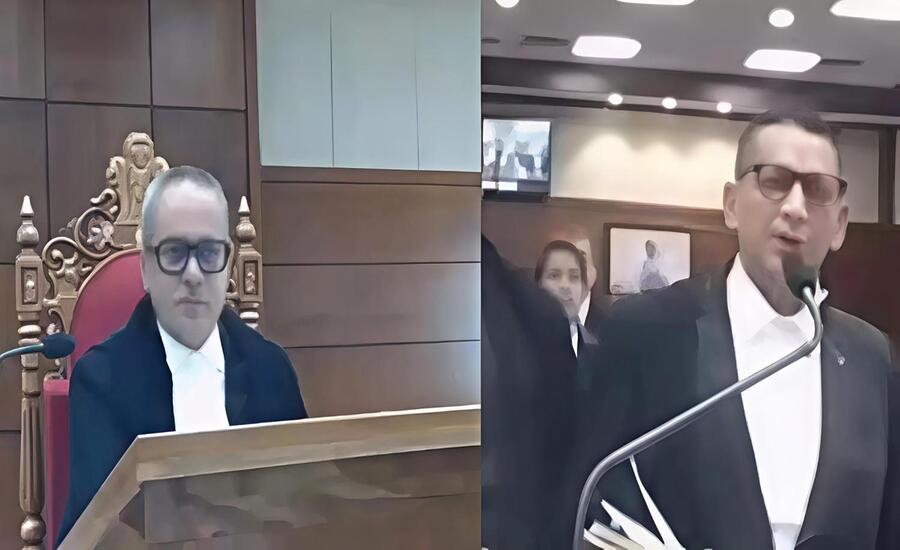
The contempt action originated from an incident at the Jharkhand High Court during a hearing on October 16, 2025, before a single judge. Advocate Mahesh Tiwari — representing a client seeking restoration of an electricity connection — engaged in a raised exchange with the judge.
Read also: Viral Courtroom Video: Jharkhand High Court Slams Senior IAS Officer Over Land Acquisition Dispute
At one point, he allegedly told the judge, “Don’t cross the limit.” The courtroom exchange was livestreamed, and video clips began circulating widely online.
High Court’s Suo Motu Action
Following the viral clips, a five-judge bench of the Jharkhand High Court — led by then Chief Justice Tarlok Singh Chauhan — took suo motu cognizance of the matter. The bench included Justices Sujit Narayan Prasad, Rongon Mukhopadhyay, Ananda Sen, and Rajesh Shankar. They initiated criminal contempt proceedings against Tiwari, asserting that his conduct could undermine the dignity and decorum of the court.
Advocate Mahesh Tiwari Contempt Case: Supreme Court’s Observations
During the hearing at the Supreme Court, a bench headed by Chief Justice Surya Kant along with Justice Joymalya Bagchi heard Advocate Tiwari’s plea against the contempt action. The top court noted that Tiwari’s petition appeared intended to override the High Court’s authority, rather than genuinely challenge the proceedings.
CJI Surya Kant remarked that if Tiwari truly believed he did nothing wrong, he should face the High Court judges directly rather than seeking intervention from the Supreme Court. However, since the advocate acknowledged his mistake and expressed repentance, the Court considered his readiness to apologise.
Justice Bagchi highlighted that disagreements and frictions can occur at different levels of the judiciary but stressed that professional pride should not compromise respect for judicial decorum.
Supreme Court’s Final Direction
Taking all factors into account, the Supreme Court disposed of the petition with a specific directive: Advocate Tiwari should file an affidavit of unconditional apology before the Jharkhand High Court. The top court requested that the High Court sympathetically consider the apology and pass an appropriate order in the contempt case.
The apex court did not quash the contempt proceedings but provided this path forward in light of the advocate’s expressed remorse and the potential consequences for his legal career.
Impact of Viral Courtroom Videos
Senior Advocate Siddharth Dave, representing Tiwari, raised concerns about the impact of viral courtroom videos on judicial processes.
He argued that such videos often lack context but still influence public perception and judicial responses. Dave pointed out that courtroom recordings, when circulated, have become a menace, potentially harming legal careers based on incomplete impressions.
Broader Legal and Ethical Context
This development highlights ongoing tensions in the legal system concerning courtroom decorum, freedom of legal argument, social media’s role, and how judges balance respect for judicial authority with fair treatment for legal practitioners. Viral courtroom footage has increasingly influenced public discourse on judicial conduct and the responsibility of lawyers in open court.
Read also: Why Supreme Court Refused SC/ST Reservation in Bar Councils: Full Story Behind the Landmark Decision