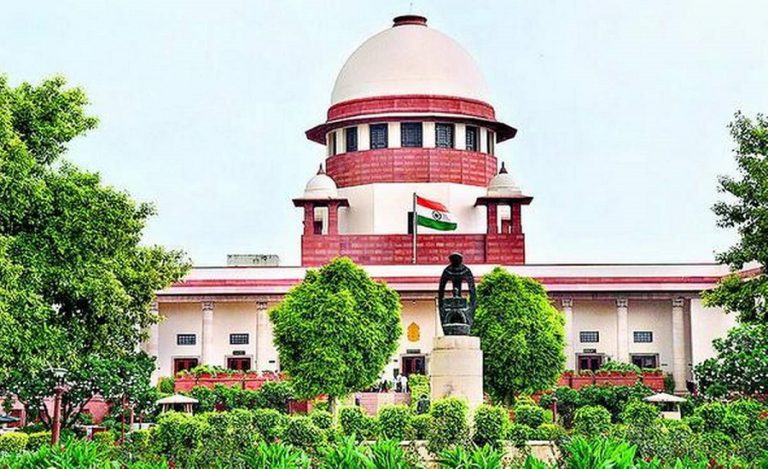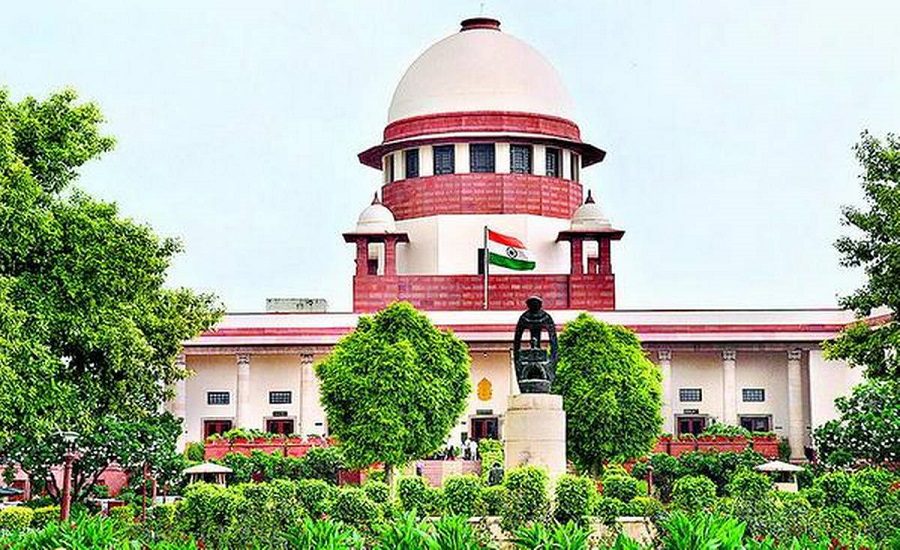
New Delhi: The Supreme Court of India has struck down the Karnataka law that protected 191 appointments made through a controversial 2011 recruitment process. The Karnataka recruitment case involved allegations of corruption, nepotism and serious irregularities in the selection of Group A and Group B government officers.
The Court ruled that the Karnataka government could not use a new law to revive appointments that had already been cancelled by constitutional courts. It also directed the state to fill existing vacancies under current recruitment rules while providing age relaxation to eligible candidates.
Karnataka 2011 Recruitment Case: Supreme Court Declares Karnataka’s 2022 Recruitment Law Unconstitutional
A Bench of Justices JB Pardiwala and K Vinod Chandran declared the Karnataka Civil Services (Validation of Selection and Appointment of 2011 Batch Gazetted Probationers) Act, 2022, unconstitutional.
Read also: Fake Law Degree Crisis in India: Supreme Court Urges CBI Probe Into Thousands of Lawyers
The law was introduced to validate appointments made through the 2011 recruitment process, even though the selection had previously been cancelled over allegations of corruption and nepotism.
Around 191 candidates received appointments under this law. However, the Supreme Court ruled that the appointments made under the invalid legislation would also come to an end. The Bench made it clear that the state legislature could not simply overturn final judicial decisions by passing another law.
Supreme Court Questions High Court’s Handling Of The Karnataka 2011 Recruitment Case
The Supreme Court also expressed serious concerns about how the Karnataka High Court handled petitions challenging the 2022 legislation.
The Bench said that the Public Interest Litigation (PIL) had been examined in a cursory manner. It also criticised the High Court for following a similar approach when dealing with a later writ petition.
The Supreme Court observed that the High Court had upheld a law that went beyond the constitutional powers of the state legislature.
The judgment highlighted the importance of proper judicial examination, particularly when a law is challenged on constitutional grounds.
What Were The Allegations In The Karnataka 2011 Recruitment Case
The controversy started with a recruitment notification issued on November 3, 2011, for 362 Group A and Group B government posts.
A Criminal Investigation Department (CID) inquiry later found serious irregularities in the selection process conducted by the Karnataka Public Service Commission (KPSC). The investigation reportedly identified several problems, including:
- Corruption And Nepotism: The recruitment process was affected by allegations of unfair selection and favouritism.
- Suspicious Communications: Communications were found between candidates and members of the selection commission.
- Identical Interview Marks: Some candidates received identical interview marks without proper individual assessment.
- Evidence Destruction: A digital video recorder was replaced, raising concerns about the destruction of important evidence.
- Answer Sheet Irregularities: Serious problems were also found in the evaluation of candidates’ written examination answer scripts.
Following these findings, the Karnataka government cancelled the recruitment process. Although the Karnataka Administrative Tribunal (KAT) initially set aside the cancellation, the Karnataka High Court later upheld the government’s decision.
Why Did Karnataka Pass The 2022 Validation Law
Despite earlier court decisions, the Karnataka legislature introduced the 2022 Validation Act to protect appointments made through the disputed recruitment process.
Under this legislation, around 191 candidates received government appointments. The CID had reportedly identified 14 of these candidates as tainted.
Several unsuccessful candidates challenged the legislation, arguing that the government could not revive a recruitment process that had already been declared invalid by constitutional courts. However, the Karnataka High Court dismissed the initial PIL challenging the law. Later legal challenges also failed before the High Court.
The matter eventually reached the Supreme Court, which examined whether the legislature had the constitutional authority to validate the disputed appointments.
Why Did The Supreme Court Reject Karnataka’s Law
The Supreme Court explained that a legislature cannot directly cancel or overturn a final court judgment simply by introducing a new law. The Court distinguished between two types of legislation:
- Valid Retrospective Legislation: A legislature can sometimes change the legal basis of an earlier decision by correcting the underlying law.
- Invalid Legislative Overruling: A legislature cannot simply declare that a final judicial decision is no longer valid without removing the legal basis on which that decision was made.
In this case, the Karnataka government had attempted to revive appointments that had already been cancelled through judicial decisions.
The Court found that the 2022 legislation did not provide a valid constitutional basis for doing so. It also rejected arguments that the selected candidates should retain their jobs on humanitarian or equitable grounds.
The Bench explained that the recruitment process had already been found tainted by corruption and nepotism, rather than being affected by a minor technical mistake.
What Relief Did The Supreme Court Give To Eligible Candidates
Although the Supreme Court cancelled the appointments made under the 2022 law, it also considered the difficulties faced by candidates who had participated in the recruitment process.
The Court did not direct the Karnataka government to restart recruitment under the old rules.
Instead, it ordered the state government to notify existing Group A and Group B vacancies under the current recruitment rules.
The Court also granted age relaxation to eligible untainted candidates and those who had approached the Karnataka Administrative Tribunal or the courts.
This provides an opportunity for eligible candidates to compete for government positions despite the long delay in resolving the recruitment dispute.
Karnataka 2011 Recruitment Case: Supreme Court Criticises Government’s Changing Positions
The Supreme Court also criticised the Karnataka government’s changing positions on the recruitment matter.
The Bench observed that the recruitment process, which started in 2011, remained unresolved for many years. As a result, several aspiring candidates became overage, while appointed candidates faced uncertainty about their employment.
The Court remarked that when political circumstances change, ordinary citizens often suffer the consequences.
It highlighted how changing government decisions can create serious problems for job aspirants and public administration.
The judgment also raised concerns about the role of the individual who initially filed the PIL challenging the 2022 law but did not properly pursue the subsequent proceedings.
The Court observed that a constitutional court could examine an important legal challenge even if the original petitioner did not actively participate.
It further clarified that a public interest litigant cannot withdraw a PIL as a matter of right without the court’s permission.
FAQs
Around 191 appointments made under the Karnataka Civil Services (Validation of Selection and Appointment of 2011 Batch Gazetted Probationers) Act, 2022, were brought to an end by the Supreme Court’s judgment.
The Supreme Court struck down the law because the Karnataka legislature could not overturn earlier judicial decisions cancelling a recruitment process affected by corruption and nepotism.
Yes. The Supreme Court directed age relaxation for eligible untainted candidates and those who had approached the Karnataka Administrative Tribunal or the courts. It also directed the state to notify existing vacancies under the current recruitment rules.